Bruges Groeninge Museum Ticket
4.5
2 reviews
¥ 1,205
2026.02.13Directed by Travel Insider Matthew
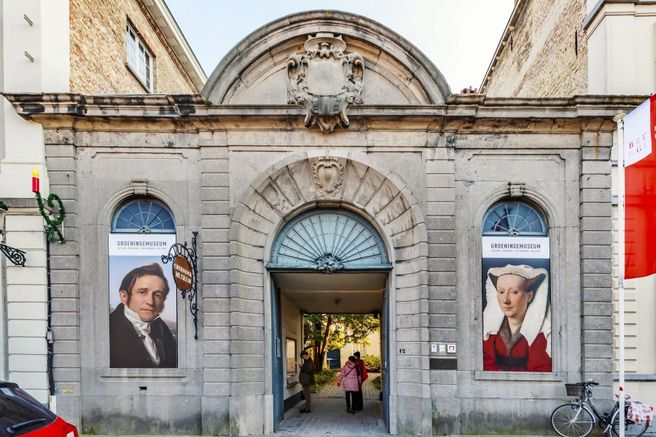
Nestled among the UNESCO World Heritage-listed lanes of Bruges, the Groeningemuseum's unassuming exterior hides a treasure trove of masterpieces. More than just an art gallery, it's a living archive showcasing the artistic culture that flourished in Bruges, once medieval Europe's wealthiest commercial hub. With over six centuries of Belgian art history neatly curated, it's the perfect spot to take a break and indulge in some intellectual luxury during your travels.
The Magic of Light Created by Early Flemish Masters
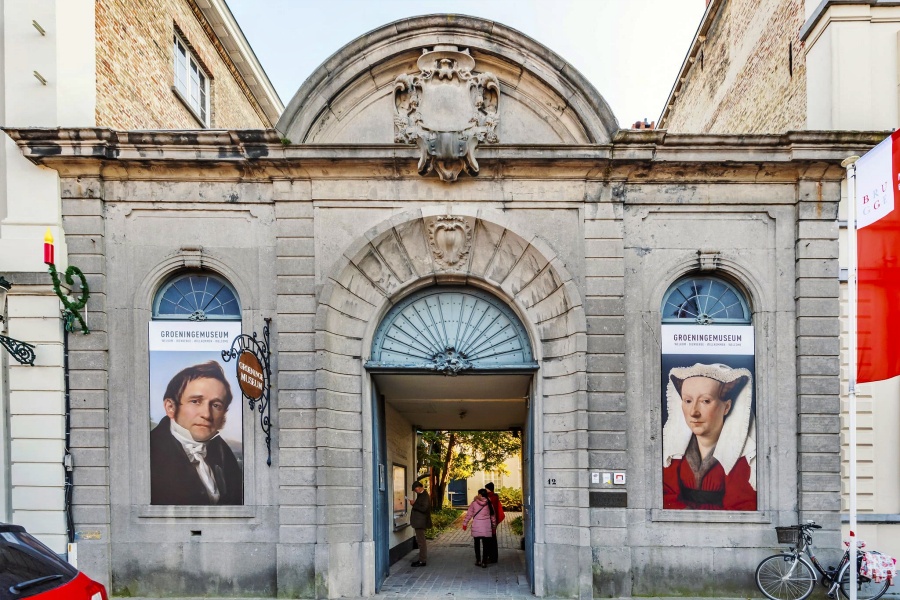
The Groeningemuseum is renowned for its collection of 15th-century Flemish Primitives' masterpieces. Jan van Eyck, often called the father of oil painting in Western art history, continues to captivate visitors with his meticulous detail and mystical colors.
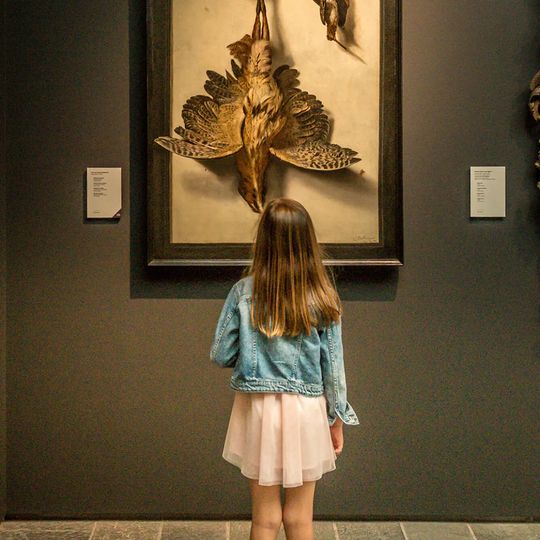
His works, with their incredibly detailed textures of fabrics, facial expressions, and reflections of light, hold viewers spellbound. Works by other masters of the era, such as Hans Memling and Hieronymus Bosch, offer an intimate encounter with the religious reverence and insights into life held by people during the Middle Ages. These pieces are more than just paintings; they are a culmination of the era's philosophy, science, and symbols of wealth, all captured with precise brushstrokes.
A Journey Beyond the Classics to Modern Innovation
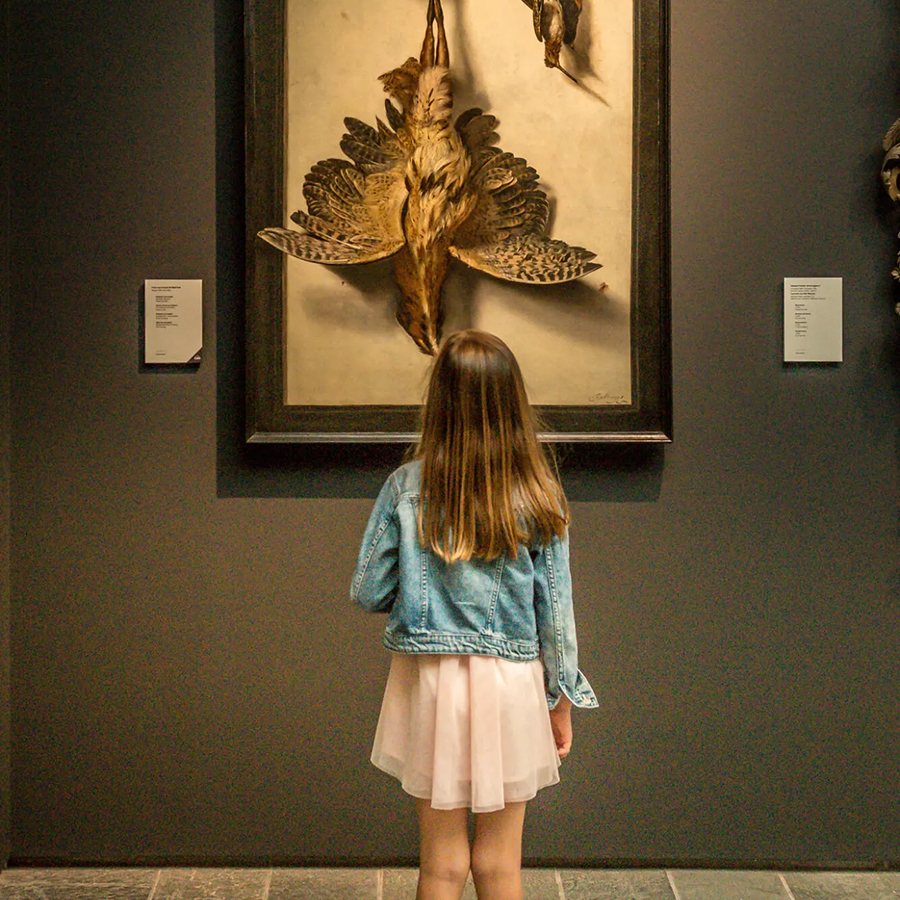
The museum doesn't stop at the medieval period but seamlessly connects to the trends in modern and contemporary Belgian art. The curation, which encompasses the neat academic style of Neoclassicism and the Expressionist and Surrealist works that represent 20th-century Belgium, is particularly impressive. The uniquely inventive and philosophical Surrealist works, especially those by René Magritte, offer a striking contrast to the rigor of the classical paintings seen earlier, sparking the traveler's imagination. A walk through the well-maintained exhibition rooms will allow you to fully experience the delicate yet bold duality of Belgian art.

