Istanbul Whirling Dervishes Ceremony Ticket
4.0
2 reviews
¥ 3,433
2026.02.15Directed by Travel Insider Jay
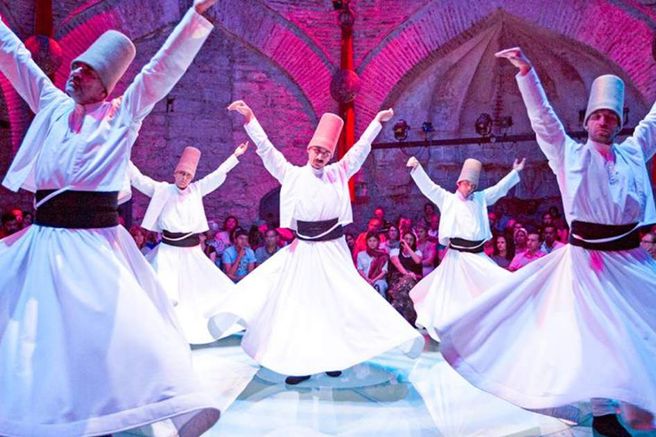
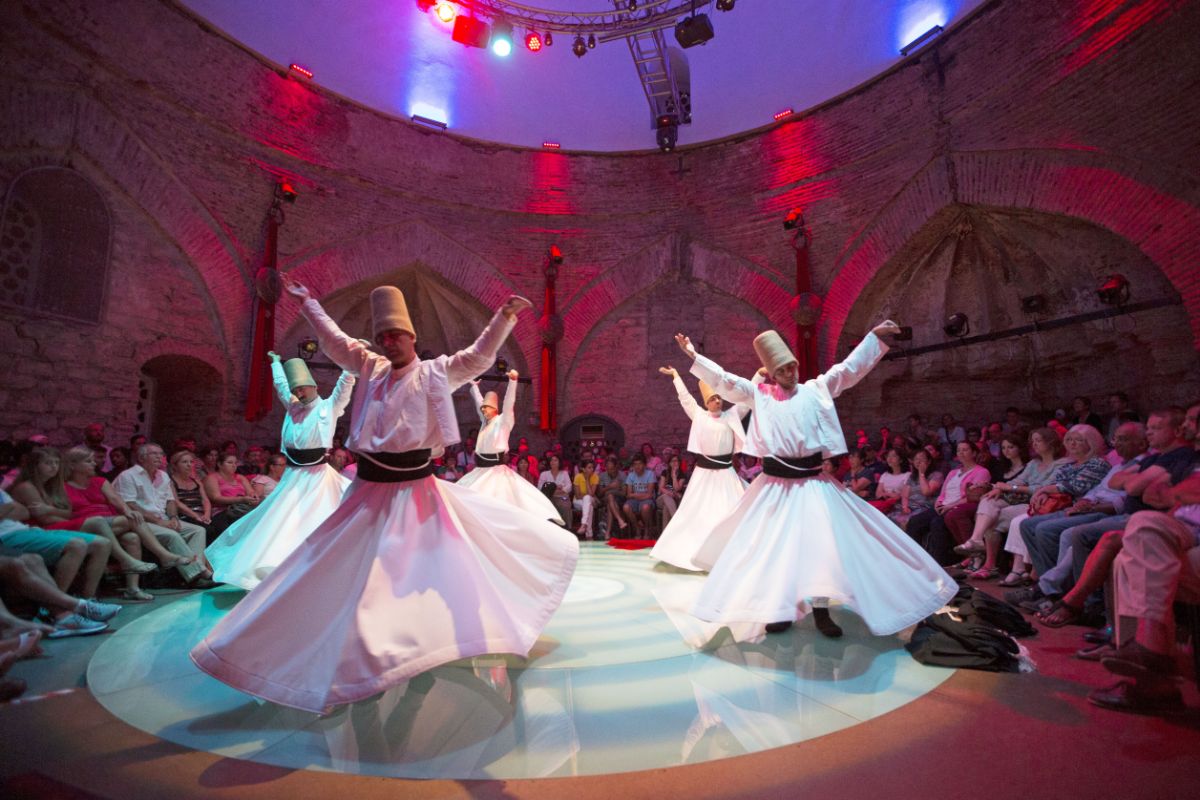
As dusk settles in Istanbul, performers in white robes take the stage under soft lights. Known as 'Dervishes,' they perform the 'Sema,' a whirling ceremony that began with the 13th-century poet Rumi. This ritual symbolizes the spiritual ascent through mind and love, aiming for perfection. More than just a spectacle, it offers a powerful experience of meditation and reflection.
A 60-Minute Spiritual Journey to Connect with the Divine
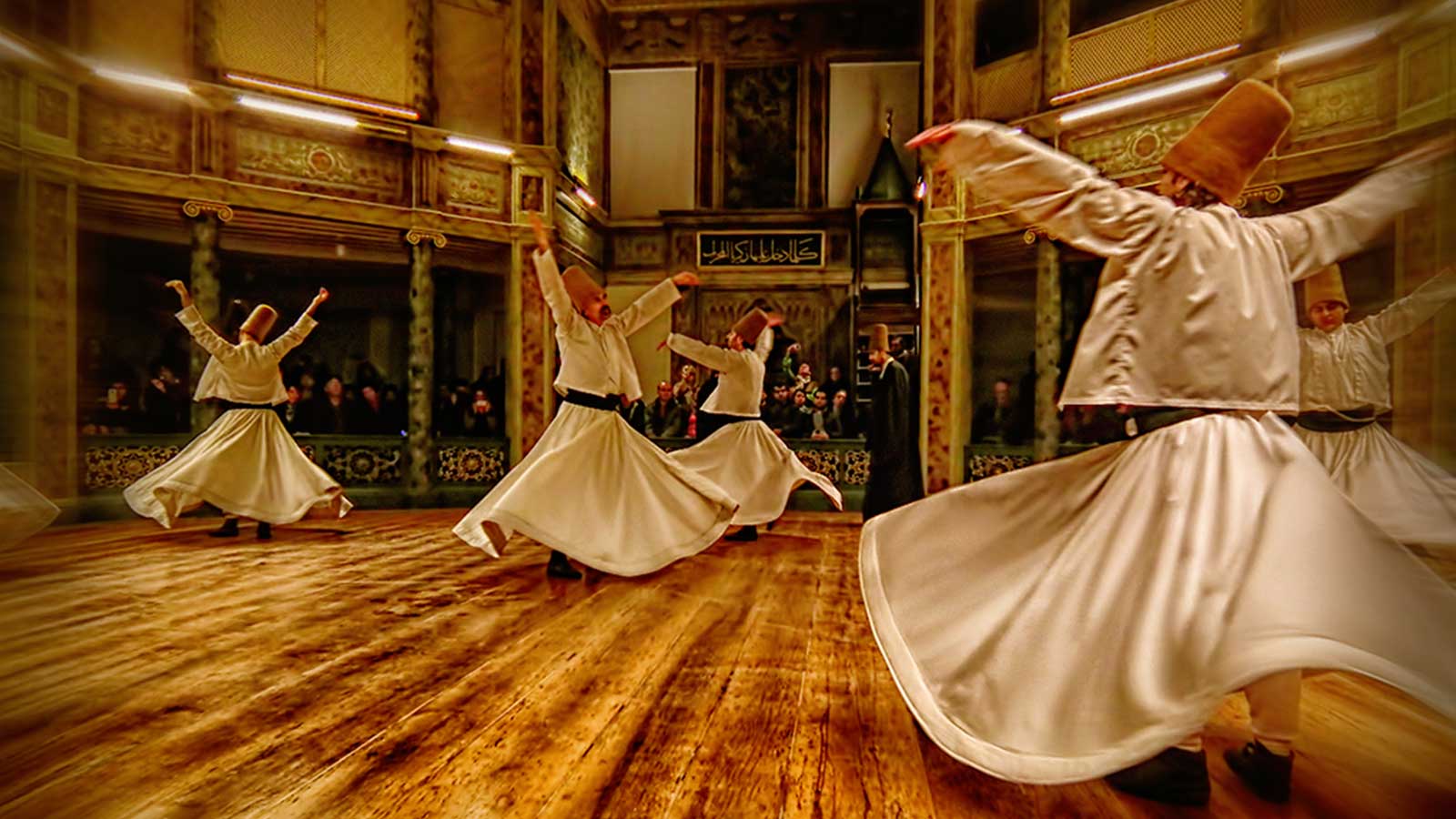
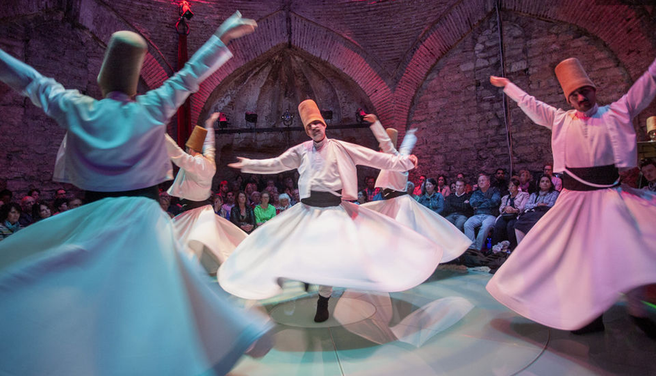
As the performance starts, the mournful melody of the traditional Ney (flute) fills the air. The performers spin continuously, one hand reaching towards the sky to receive blessings, and the other towards the earth to share them with the world.
The Art of Immersion:
The constant spinning for 30-40 minutes leads the Dervishes to a state of ecstasy. The flowing white robes symbolize the purity of the soul, and the tall hat represents the tombstone of the ego, signifying the abandonment of all worldly attachments.
Resonance in a Mystical Space:
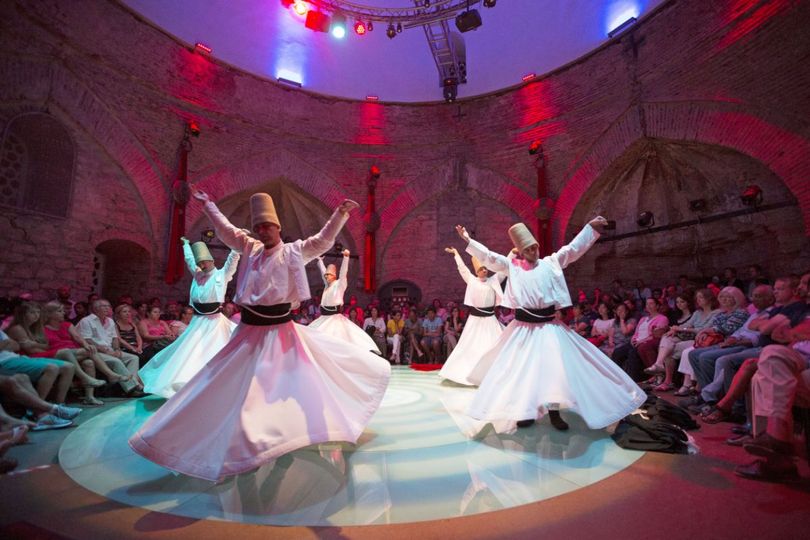
The performances are often held in the 'Hodjapasha Cultural Center,' a renovated 550-year-old Ottoman bathhouse, or in ancient Islamic schools called 'Madrasas.' The resonance of these historic spaces, combined with 360-degree video projections, immerses the audience, making them feel as if they've been transported back 800 years.
Essential Etiquette Before Watching
Since the Dervish performance is deeply rooted in religious ritual, there are a few things to keep in mind:
Maintain Silence: Applause is not permitted during the performance; it's customary to watch in deep silence until the end of the ritual.
Photography Restrictions: To avoid disturbing the sacred atmosphere, photography and videography are strictly prohibited in most venues.
Advance Booking Required: As the performances take place in historical venues with limited seating, booking your tickets in advance is highly recommended. Booking through platforms like WAUG can make the process smoother.