Madrid Paseo del Arte Card (Prado, Thyssen, Reina Sofia Museum Pass)
5.0
5 reviews
US$ 44.86
2026.08.11Directed by Travel Insider Jay
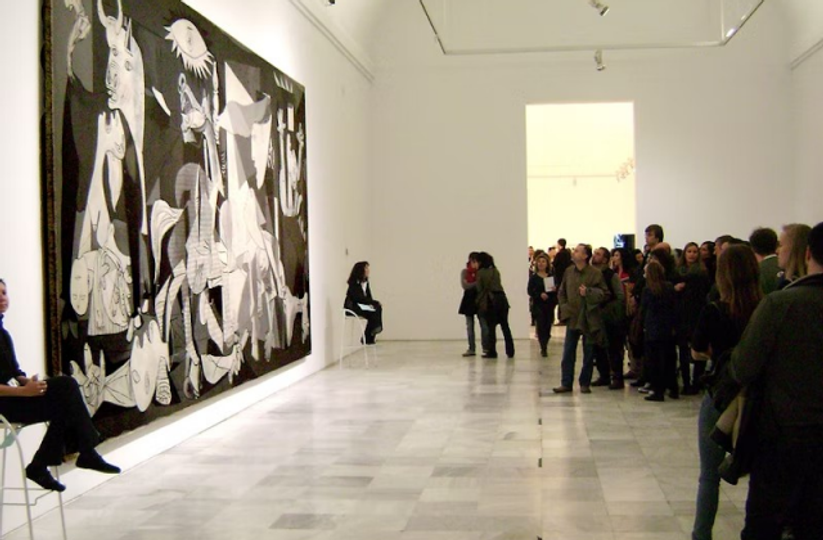
While the Prado Museum represents classical art in Madrid, the Reina Sofía National Museum (Museo Nacional Centro de Arte Reina Sofía) is where you'll discover 20th-century Spanish art. It houses works by Spanish modern art masters like Picasso, Salvador Dalí, and Joan Miró. However, the primary reason global travelers flock here is for one iconic piece: Pablo Picasso's Guernica.
Yet, leaving the Reina Sofía after just seeing Guernica would be a missed opportunity. By exploring the historical backdrop of the painting and the broader currents of Spanish art leading up to and following Picasso's era, the museum becomes far more engaging.
What Kind of Museum is the Reina Sofía?
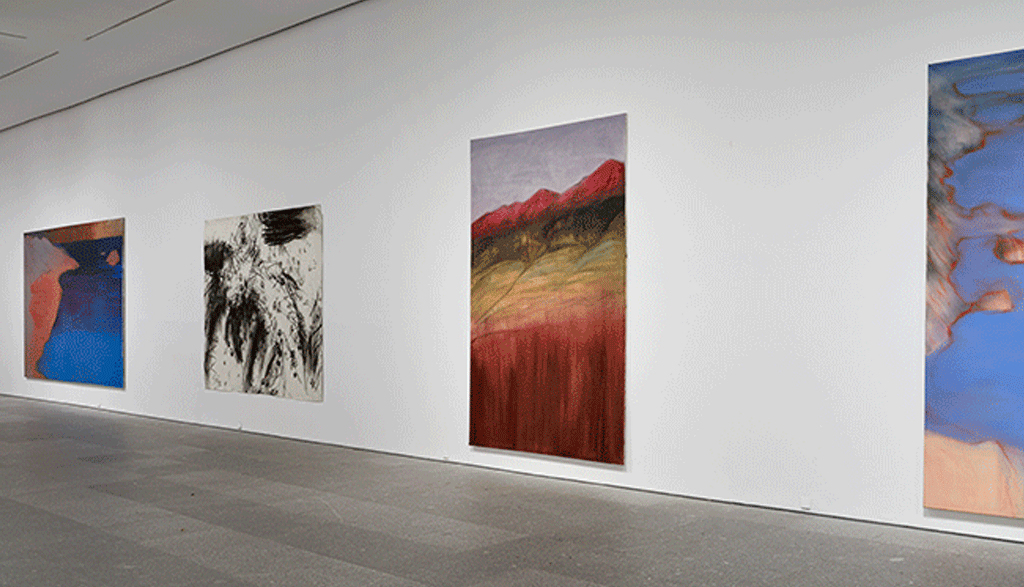
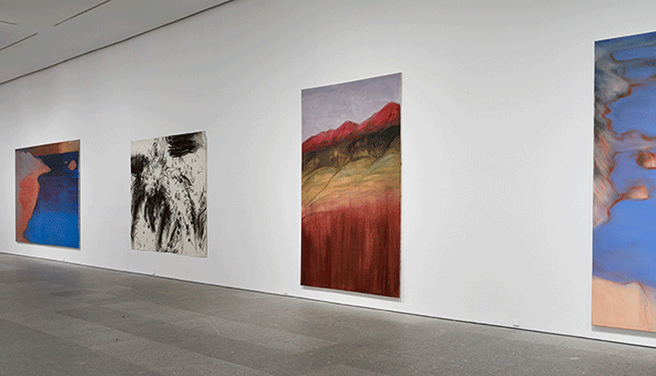
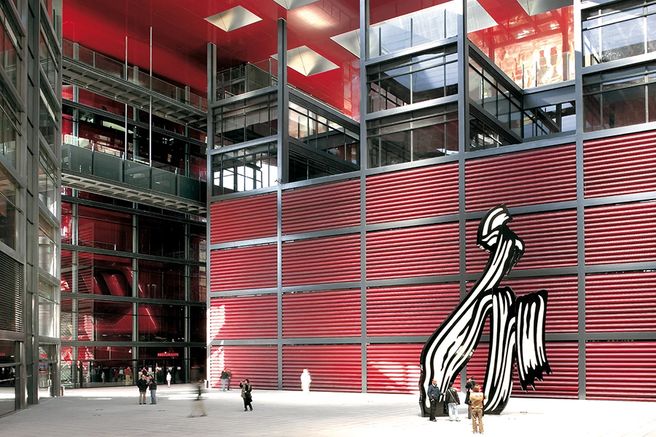
The Reina Sofía Museum primarily focuses on modern and contemporary art from the 20th century onwards, with a special emphasis on Spanish modern art. You can find works by artists who shaped the course of global art history, including Picasso, Dalí, and Miró. The museum's architecture is also noteworthy, blending a historic former hospital building with modern extensions, creating a unique atmosphere where classic and contemporary elements coexist.
The Must-See Masterpiece
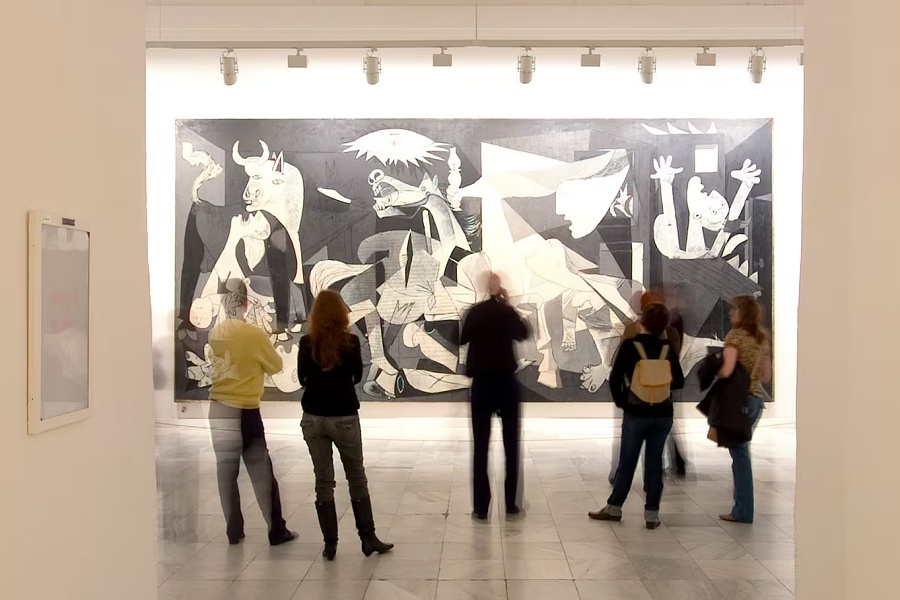
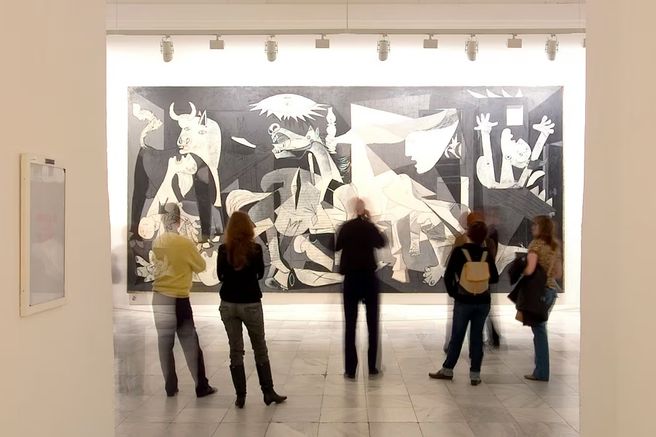
If you could only see one artwork at the Reina Sofía, it would undoubtedly be Guernica. Picasso created this piece in 1937, inspired by the bombing of the Basque town of Guernica during the Spanish Civil War. The vast canvas doesn't depict beautiful landscapes or heroes. Instead, it presents a chaotic scene of distorted figures, animals, screaming faces, and turmoil in stark black and white. Standing before the actual artwork, the first thing that strikes you is its sheer scale. The immense canvas, over 7 meters wide, offers a completely different experience compared to viewing it in books or on screens.
Don't Just See Guernica
The true depth of Guernica unfolds further when you explore the surrounding context. Examining related sketches and materials helps in understanding Picasso's thought process and evolution in depicting figures and animals. Knowing that this masterpiece wasn't conceived complete but rather emerged through numerous considerations and experiments changes how you perceive the artwork. Therefore, instead of heading straight for the painting, it's recommended to approach it gradually, following the flow of related exhibits.
Dalí and Miró Are Also Highlights
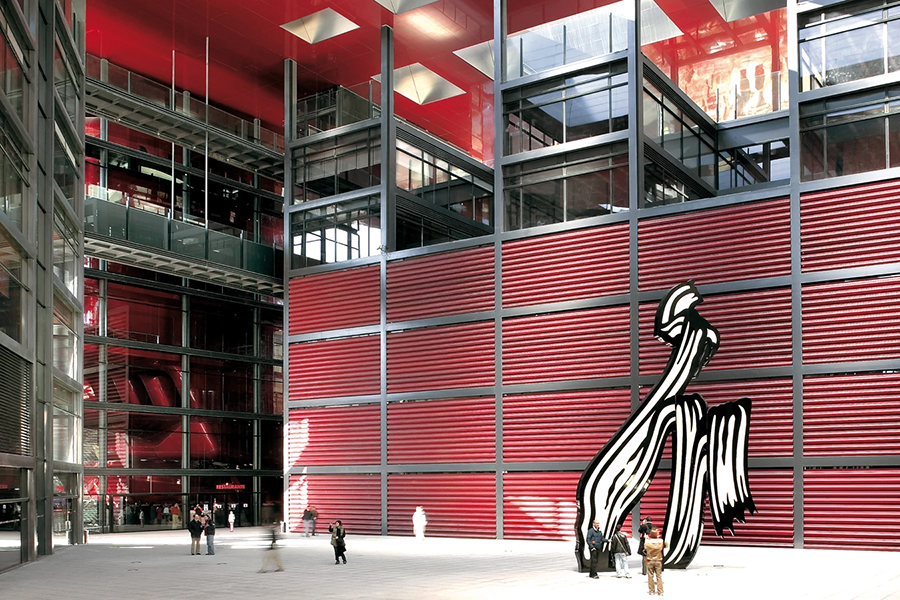
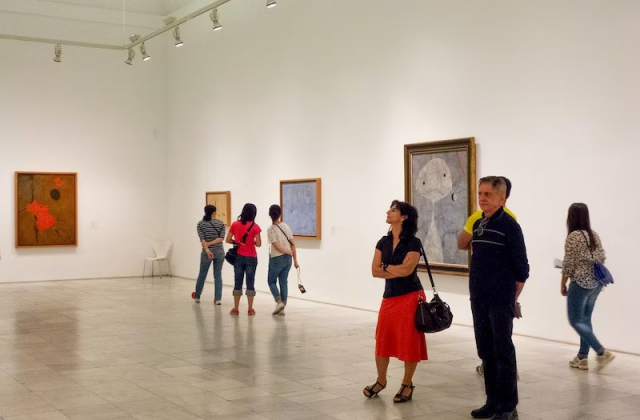
Picasso isn't the only star at the Reina Sofía. Salvador Dalí, a leading figure of Surrealism, presents a unique world blurring the lines between dreams and reality. Joan Miró's works offer a different experience of modern art through their free use of color and form. Comparing the works of Picasso, Dalí, and Miró in the same space allows you to see how Spanish artists of the same era explored modern art in vastly different ways.
How Does it Differ from the Prado?
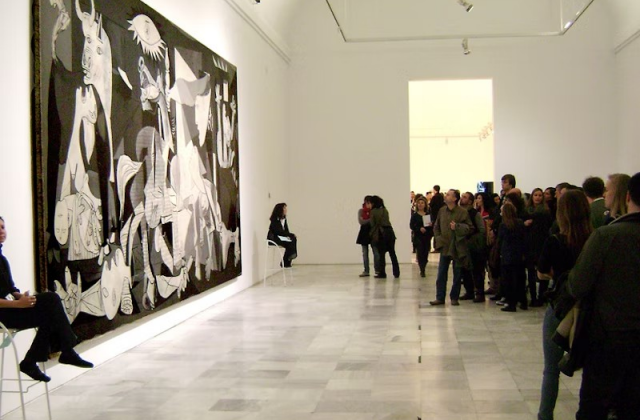
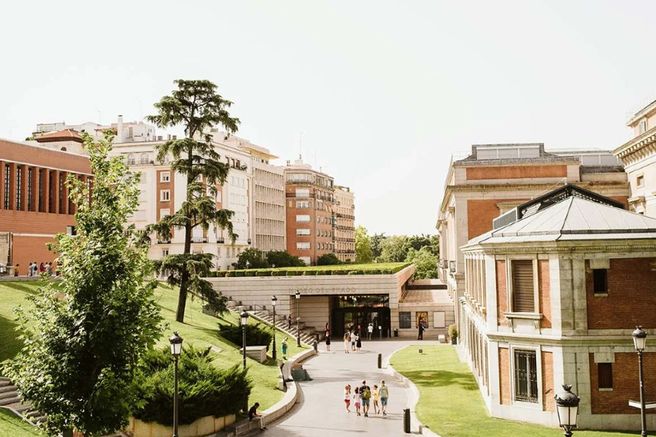
First-time visitors to Madrid often ponder whether to visit the Prado or the Reina Sofía. The two museums have entirely different focuses. The Prado showcases Spanish art history through European classical paintings by artists like Velázquez, Goya, and El Greco. In contrast, the Reina Sofía highlights 20th-century Spanish transformations and the birth of modern art, primarily through Picasso, Dalí, and Miró.
For art enthusiasts, visiting both is recommended, ideally in the order of Prado followed by Reina Sofía. This sequence allows for a more natural understanding of the evolution of Spanish art, from Goya to Picasso.