Birmingham SEA LIFE Aquarium Ticket
US$ 24.62
2026.08.12 (Last updated 2026.08.26)Directed by Peace
Birmingham is often overshadowed by cities like London, Edinburgh and Manchester, but Britain’s second-largest city has plenty to offer if you know where to look. Beyond its industrial heritage, you’ll find thriving creative districts, fascinating museums, family-friendly attractions and one of the country’s most surprising canal networks. Whether you’re visiting for a weekend or using Birmingham as a base to explore the West Midlands, these experiences showcase a different side of the city — from making your own jewellery and walking beneath sharks to exploring medieval castles just beyond the city centre.
1. National SEA LIFE Centre Birmingham
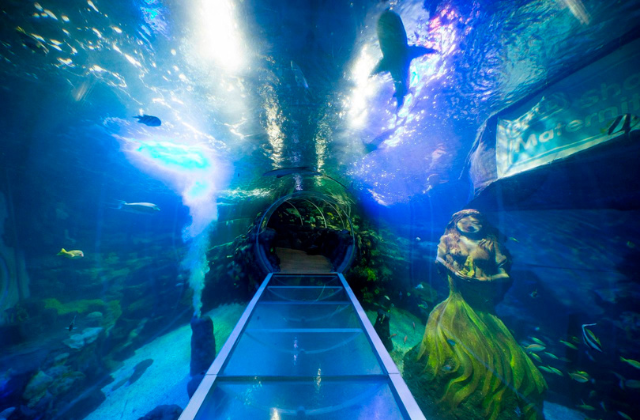
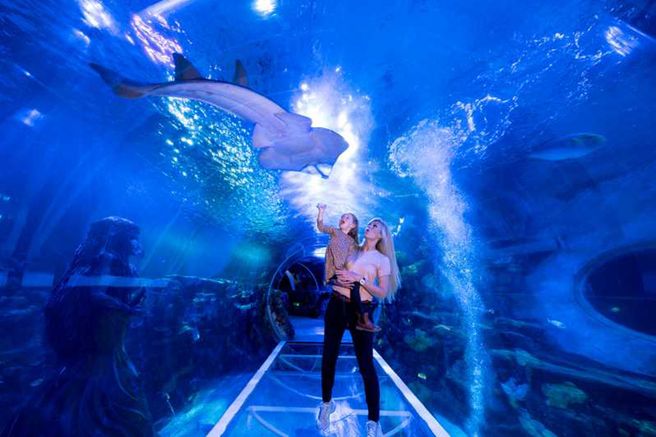
Birmingham might be one of the UK's most landlocked cities, but somehow you can still find yourself walking beneath sharks, rays and a giant green sea turtle right in the middle of it. The National SEA LIFE Centre sits beside the canals at Brindleyplace, with its standout attraction being the UK's only 360° Ocean Tunnel. This isn't the kind where all the action happens above your head either. The transparent walkway lets you watch marine life glide beneath your feet as well, surrounding you as you make your way through. It is probably the closest you'll get to walking along the ocean floor without having to put on a wetsuit.
Beyond the tunnel, the centre has more than 60 displays to explore, including Gentoo penguins and Ozzy and Ola, the UK's only rescued Alaskan sea otters. There are feeding sessions and an interactive rockpool if you want to get a little closer to the experience. And, slightly unexpectedly, there's even a 4D cinema, complete with movement and sensory effects that bring what's happening on screen into the room. With the entire attraction indoors, it's an easy couple of hours to add to a day around central Birmingham — and a particularly good place to disappear into when the British weather isn't cooperating.
2. The Jewellery Quarter
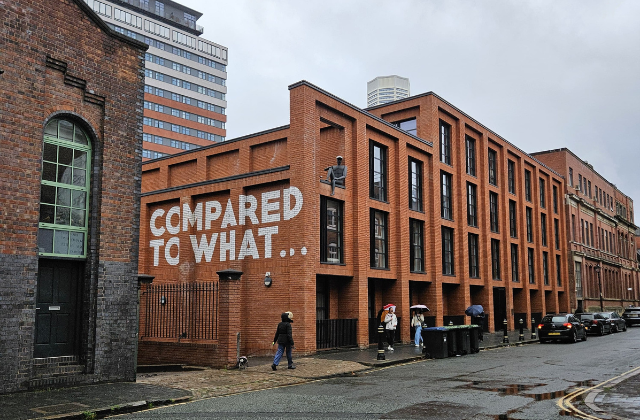
The Jewellery Quarter is one of the best places to see Birmingham's industrial history still woven into the city today. Having explored the area on an architecture-focused walking tour myself, one of the things I found most interesting was how much of that history is still visible in the buildings and streets around you. Old workshops and Victorian factories remain throughout the area, many with the large windows once needed to bring as much natural light as possible onto the jewellers' workbenches. Look a little closer and you'll realise the industry never really left. Jewellery is still designed and made here, while Birmingham City University's School of Jewellery has been teaching crafts such as jewellery-making, silversmithing and horology in the Quarter since 1890.
You can get involved yourself through one of the independent jewellery workshops dotted around the area. Even as a complete beginner, you can spend a few hours learning how to shape, texture, solder and polish the metal before leaving with a ring you've made yourself. There is plenty to discover without booking a workshop too. Browse the independent jewellers, wander through St Paul’s Square, and keep an eye on the details around you. References to the Quarter’s industrial past are worked into the streets themselves, including designs inspired by Birmingham’s historic pen-making industry.
3. Digbeth
Digbeth is one of those parts of Birmingham that can look completely different depending on what you're there for. Come during the day and you can spend hours following street art, digging through independent markets and finding somewhere new to eat. Stay into the evening and there’s another side to it altogether, with live music, bars, clubs and events taking over many of the same industrial spaces. I've always been more interested in Digbeth's creative side, and even after visiting several times, I still seem to find something I didn't know was there.
That’s probably what I like most about the area. From the outside, you’re surrounded by old red-brick factories, warehouses and railway arches, but there’s no telling what you'll find once you actually step inside. Red Brick Market is one of my favourites, with rows of independent traders selling vintage clothes, records, art, handmade pieces and all sorts of random finds. Then there’s the former Custard Factory, once genuinely used to produce Bird’s Custard and now home to creative businesses, entertainment and places to eat. On one of my more recent visits, I even stumbled across an entire food hall that I'd somehow missed before. Digbeth rewards being a little nosy.
And it isn't finished changing either. The BBC is transforming the former Typhoo Tea factory into its new Birmingham home, adding another chapter to an area that has become very good at finding completely new uses for its old industrial buildings.
4. Cadbury World
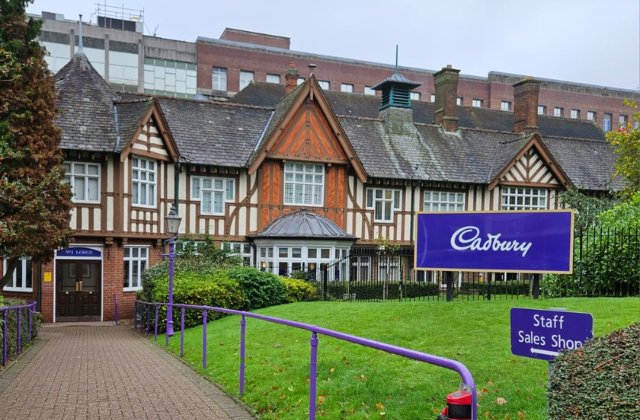
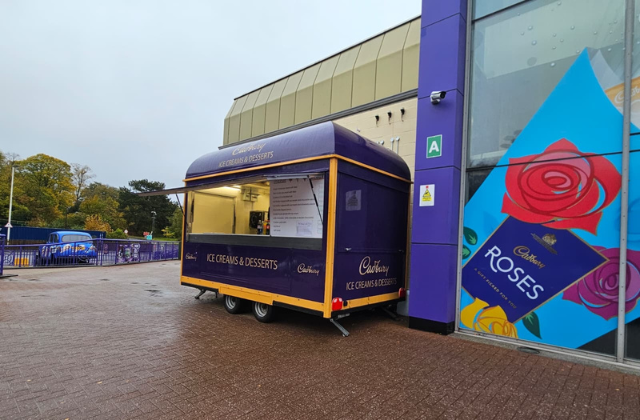
If you grew up in the UK, Cadbury probably needs very little introduction. Dairy Milk, Crunchie, Creme Eggs, Freddo — the purple packaging is everywhere. But for anyone less familiar with the name, Cadbury is one of Britain's biggest and most recognisable chocolate brands, and its story began right here in Birmingham more than 200 years ago. Today, you can follow that history to Bournville, where Cadbury World turns it into something much more fun than a traditional factory museum.
And there is a lot more going on inside than I expected. You can jump aboard Cadbury Chocolate Quest, an interactive ride where you travel through colourful sets collecting the ingredients needed to make a Dairy Milk bar, before heading to a 4D cinema where you're thrown onto a virtual Crunchie rollercoaster and, somehow, into a pool of liquid Dairy Milk. There are chocolatiers working in front of you too, creating everything from chocolate shoes to teapots, while the hands-on areas let you have a go at techniques such as piping and learn how chocolate is tempered. And yes, there is actual chocolate involved. You can customise a warm pot of Dairy Milk with toppings and pick up treats as you make your way through the experience.
There’s a surprising amount of Birmingham history mixed in with all the chocolate. You can step into a recreation of Bull Street in 1824, where John Cadbury opened his first shop selling cocoa and drinking chocolate, before learning how the business eventually made its home in Bournville. And Bournville is worth paying attention to in its own right. I first explored the area for an architecture project, and the connection to Cadbury doesn't suddenly disappear once you walk outside. The village was developed with homes, gardens and green spaces around the factory, and little details still catch your eye as you wander around — even the street lamps are purple. Cadbury World might be the reason you come to Bournville, but I'd leave a little time to see the place that grew around it too.
5. Warwick Castle
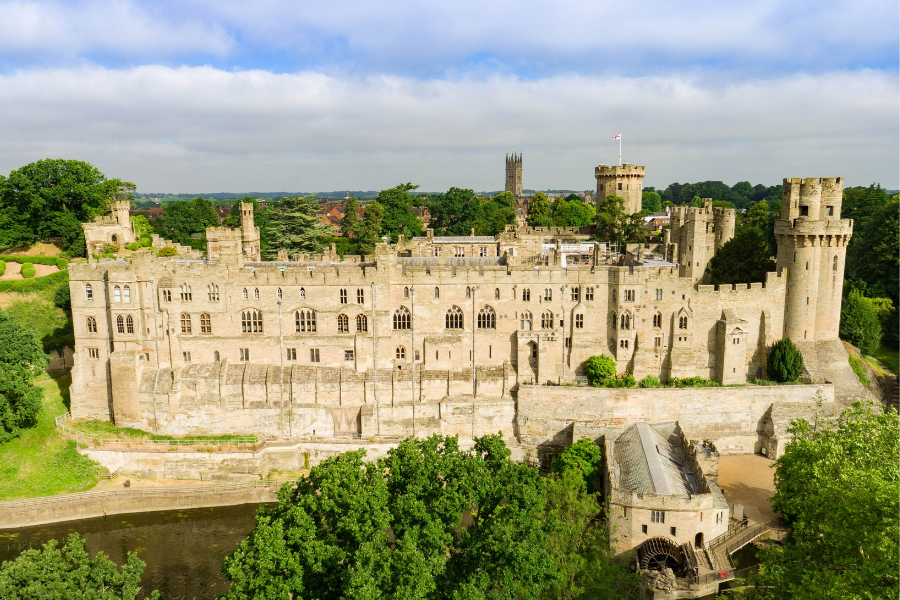
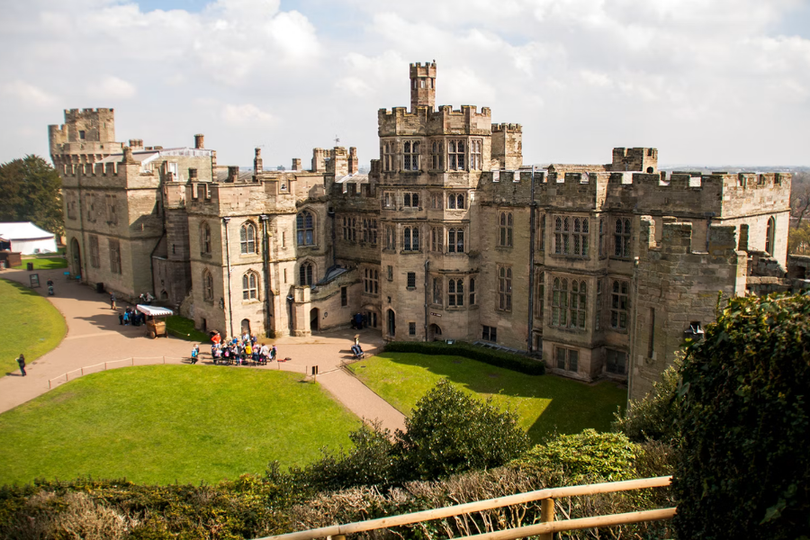
Warwick Castle is technically outside Birmingham, but this is one experience I think is worth leaving the city for. I haven't made it there myself yet, although a friend studying interior architecture visited and came back with enough photos to put it firmly on my list. And I can see why. You can walk through the enormous Great Hall and beautifully decorated State Rooms, see collections of armour and artwork, then climb the towers and ramparts of a castle whose history stretches back almost a thousand years. It’s grand without being somewhere you simply walk around quietly admiring old furniture.
Because once you head outside, things get considerably more dramatic. Depending on when you visit, there are live jousting tournaments, trebuchet demonstrations and Falconer's Quest, where huge birds of prey sweep across the arena and over the audience. Around all of that are acres of gardens and grounds along the River Avon, so you can slow things down between shows and actually enjoy the setting too. Whether you're interested in history, interiors, family activities or just want to watch knights charge at each other on horseback, there’s enough happening here to make the castle the centre of an entire day.
But you don't necessarily have to head straight back to Birmingham afterwards. Warwick itself is a historic market town, so you can extend the visit beyond the castle and explore the town, find somewhere to eat or stay overnight and turn it into a weekend away. You can even stay on the castle grounds in themed accommodation, and the castle hosts private events and weddings in spaces including the Great Hall. So whether you're visiting Birmingham and want a memorable day outside the city, already live nearby and fancy doing something different for the weekend, or somehow need a medieval castle for your wedding, Warwick Castle gives you plenty of excuses to make the trip.
6. Birmingham Canals & Brindleyplace
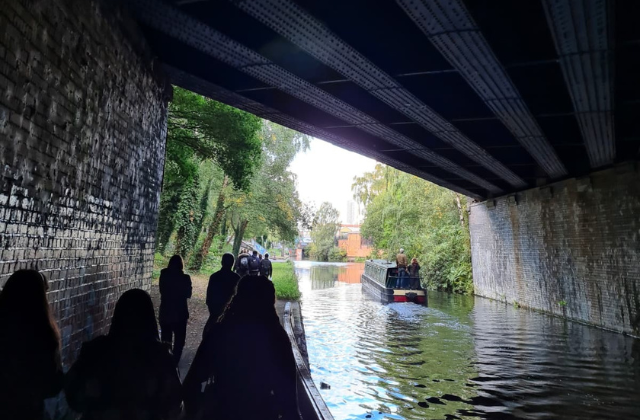
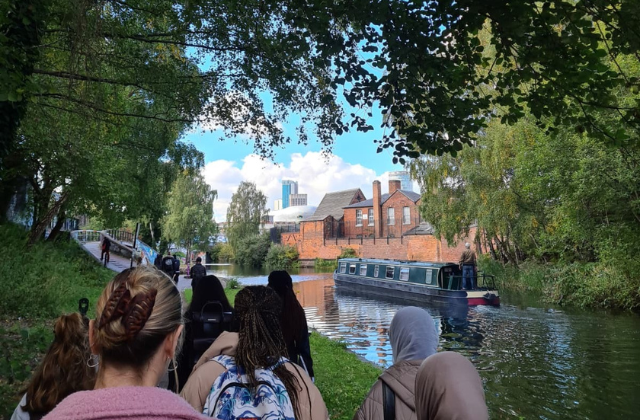
Here’s a Birmingham fact that usually gets people’s attention: the city has more miles of canals than Venice. Built during Birmingham’s industrial growth, the waterways once carried goods and materials across the city. Today, they offer a completely different way to explore it. Follow the towpaths and you’ll pass old brick bridges, locks and industrial buildings alongside colourful narrowboats and newer developments. I’ve used short stretches as shortcuts myself, but you can just as easily follow them simply to see where they take you.
One of the best places to do that is Brindleyplace, a regenerated waterfront area filled with restaurants, cafés and public spaces right beside the canal. SEA LIFE Birmingham is here too, along with the free Ikon Gallery. From Brindleyplace, you can follow the towpaths towards Gas Street Basin, stop somewhere beside the water or experience the canals by boat instead. Sightseeing cruises are available for a shorter trip, while narrowboats can be hired for canal holidays, where you actually travel through the waterways and stop along the route. Some people even live aboard their narrowboats, so the canals are still very much being used rather than simply preserved as part of Birmingham’s industrial past.
For something that once played such an important role in Birmingham’s growth, the canals have found a completely new place in the modern city. They’re free to explore, easy to combine with other attractions and can be anything from a quick waterside walk to the beginning of an entire boating holiday.

