Luxor Karnak Temple QR Code Entry Ticket
US$ 13.31
2026.10.17Directed by Travel Insider Jay
One of the most vivid places to feel the magnificence of ancient Egyptian civilization in Luxor, Egypt, is Karnak Temple.
Karnak Temple isn't just a single building; it's a vast religious complex comprising numerous temples, monuments, and courtyards. Constructed and expanded over centuries by various pharaohs, it stands as a crucial site showcasing ancient Egyptian faith and royal power.
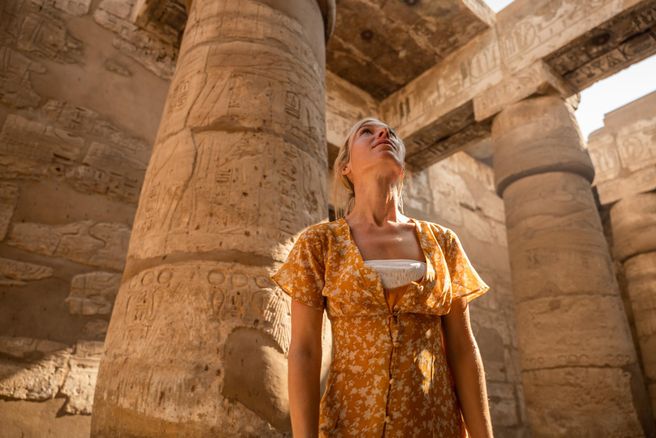
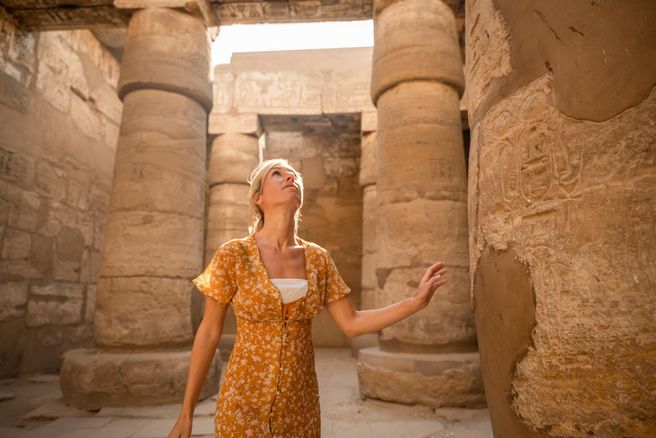
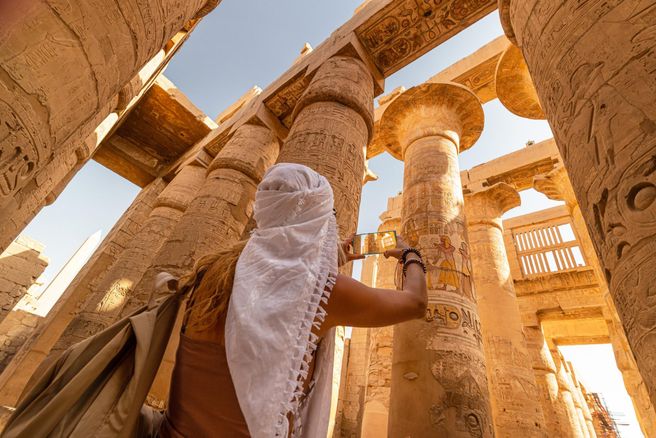
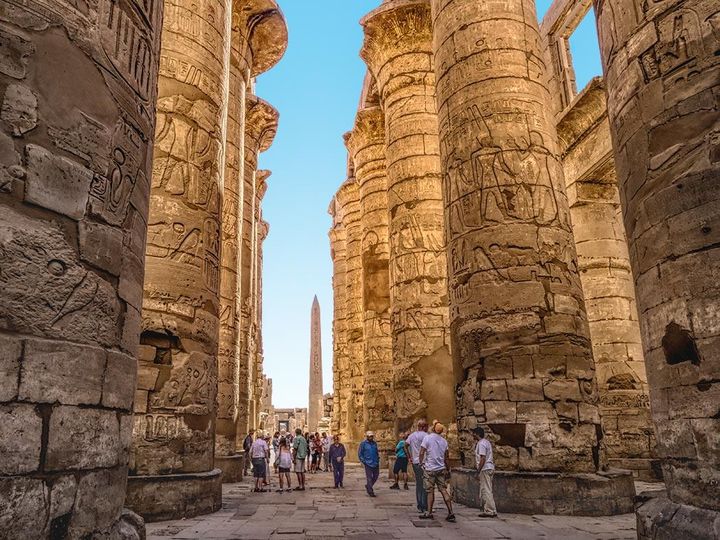
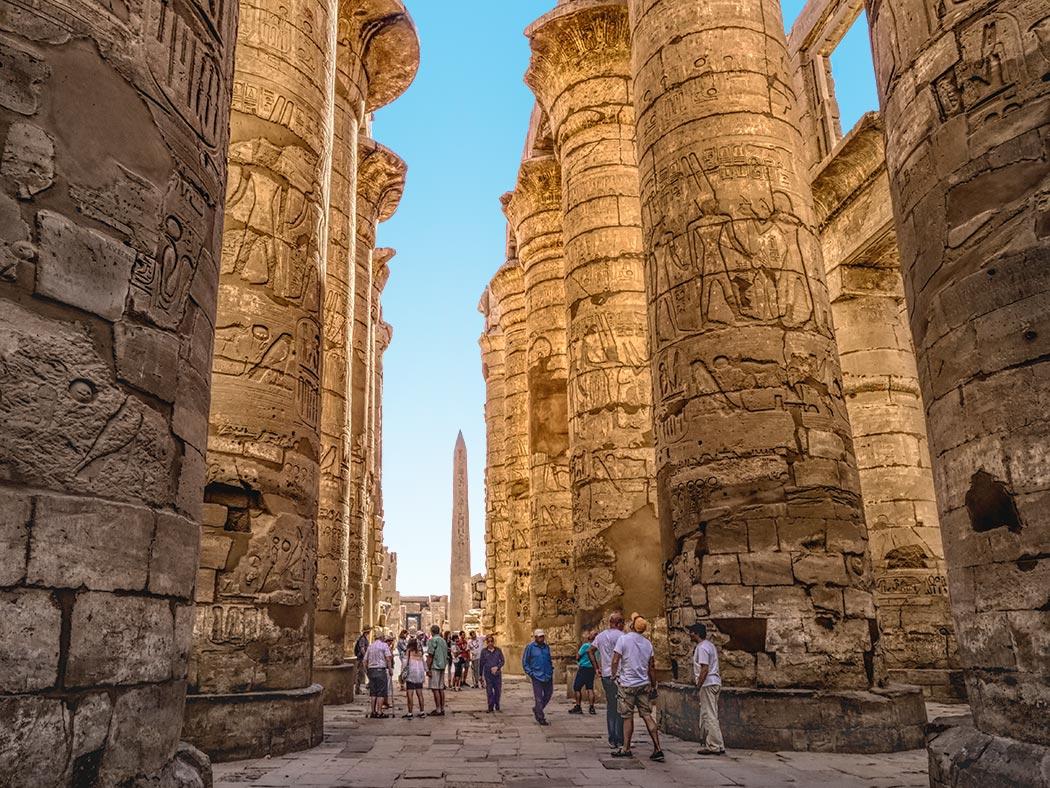
The Great Hypostyle Hall, with its endless rows of colossal stone pillars, is a signature scene of Karnak Temple. Walking among them offers an overwhelming sense of the scale of ancient Egyptian architecture.
A Vast Space Created by 134 Pillars
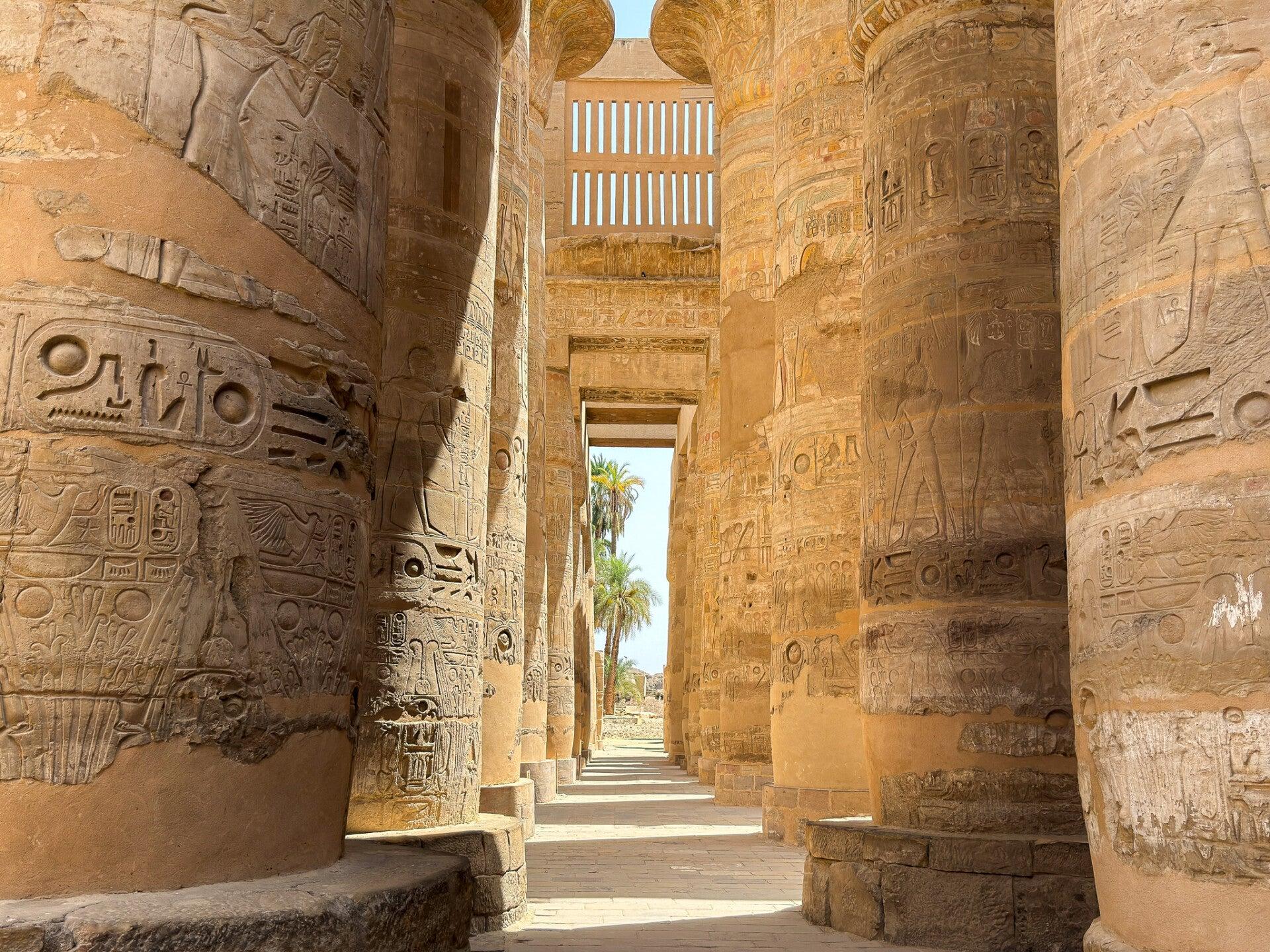
The most famous area within Karnak Temple is the Great Hypostyle Hall. This space features 134 colossal stone pillars, making it one of the quintessential examples of ancient Egyptian architecture.
Some pillars reach approximately 20 meters in height, and their surfaces are adorned with bas-reliefs and hieroglyphs depicting pharaohs and deities.
Sunlight filtering through the pillars enhances the three-dimensional effect of the massive stone structures. It's highly recommended to experience the scale and spatial grandeur firsthand rather than just viewing photos.
Obelisks and the Sacred Lake
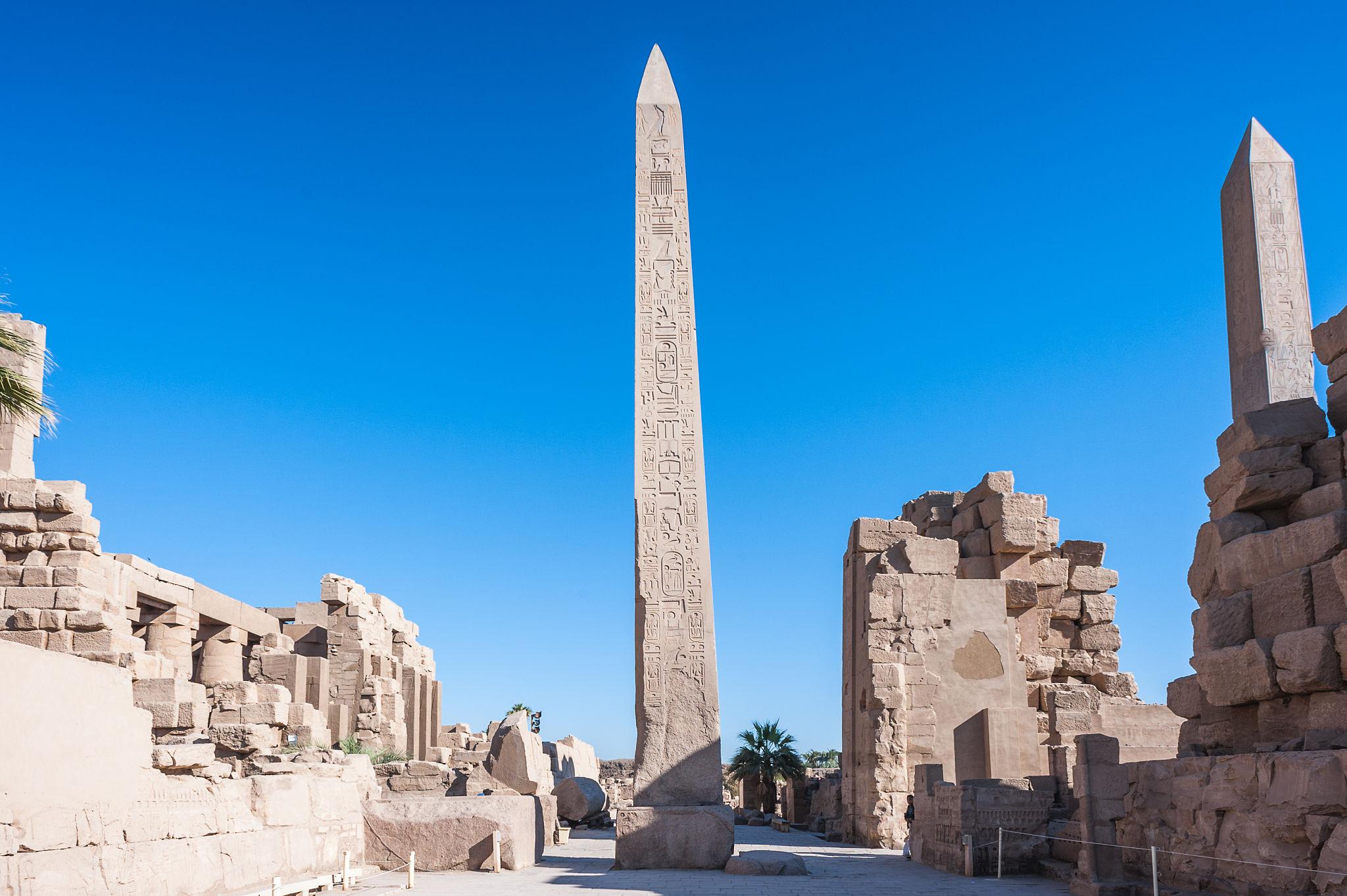
Karnak Temple also houses towering obelisks. In ancient Egypt, obelisks were symbolic monuments associated with the sun god, carved from single massive stones.
Queen Hatshepsut's obelisk is a particularly significant sight at Karnak. The hieroglyphs etched onto these tall stone monuments offer insights into ancient Egyptian religion and kingship.
Within the temple complex lies the Sacred Lake. It's known to have been a place where ancient Egyptian priests performed purification rituals in preparation for religious ceremonies.
A Grand Temple Dedicated to Amun
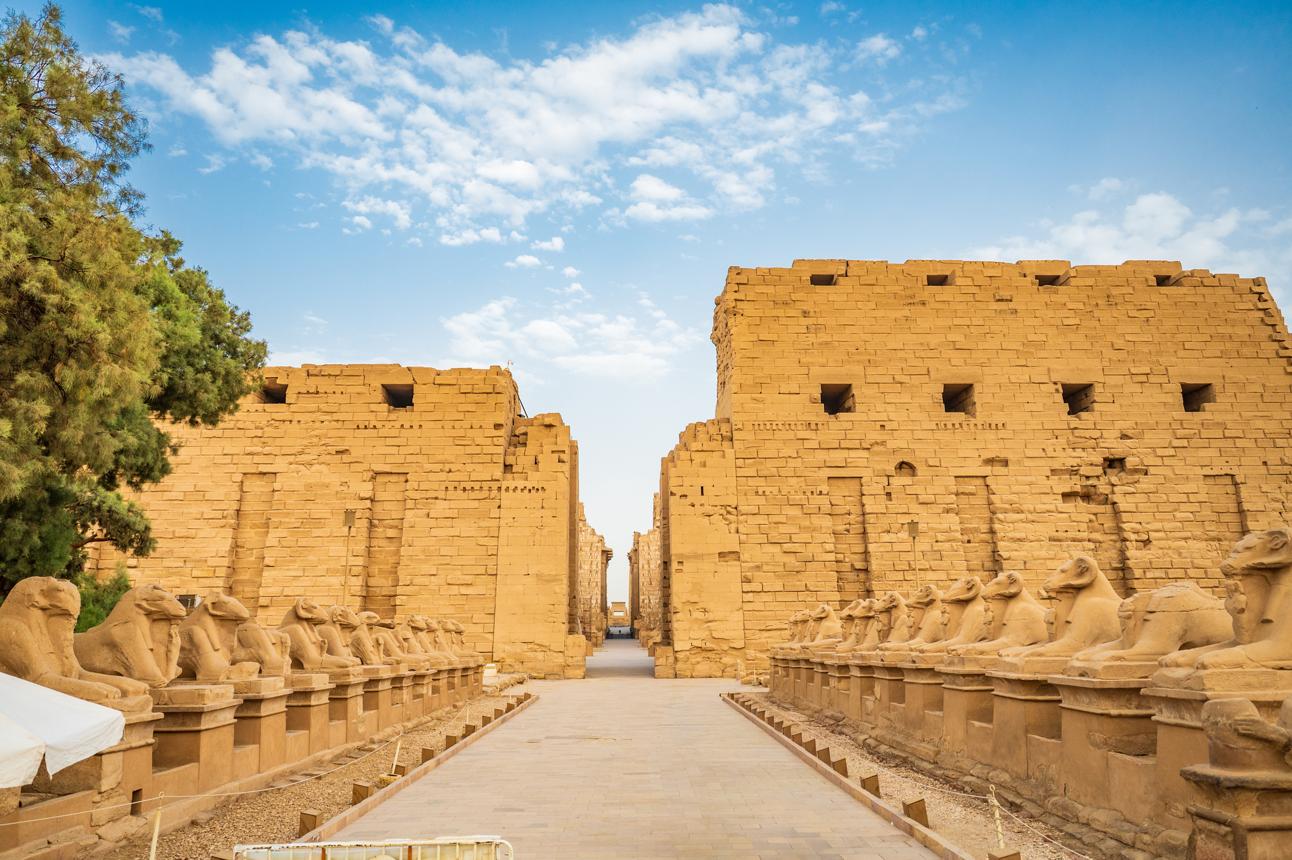
Karnak Temple developed as a religious center primarily dedicated to Amun, a major deity in ancient Egypt. Its scale expanded significantly, especially during the New Kingdom period, with royal patronage.
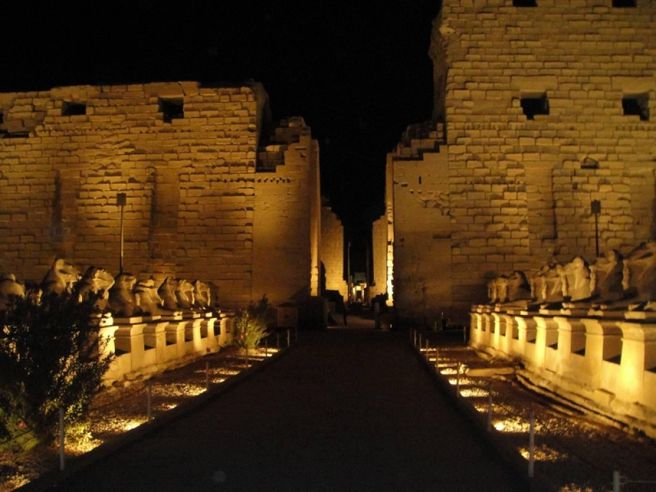
At the temple entrance, you'll find an avenue lined with ram-headed sphinxes. The ram is a symbol associated with Amun, highlighting the temple's religious significance.
Karnak Temple and Luxor Temple were historically connected by the Avenue of Sphinxes. Visiting both sites today offers a deeper understanding of the religious heart of ancient Thebes.
Tips for Visiting Karnak Temple
Karnak Temple is located on the east bank of the Nile River in Luxor. It's relatively close to Luxor Temple, making a half-day tour covering both popular.
Given the site's vastness and the limited shade in many areas, visiting early in the morning is advisable. Be sure to bring comfortable shoes, water, a hat, and sun protection.
For a deeper understanding of ancient Egyptian history and architecture, consider a tour with an Egyptologist guide. This will allow you to appreciate the meanings embedded in the temple's structures and hieroglyphs.