Pamukkale: Whirling Dervish Sema Show (Hotel Pickup)
US$ 16.06
2026.11.05Directed by Travel Insider Banner
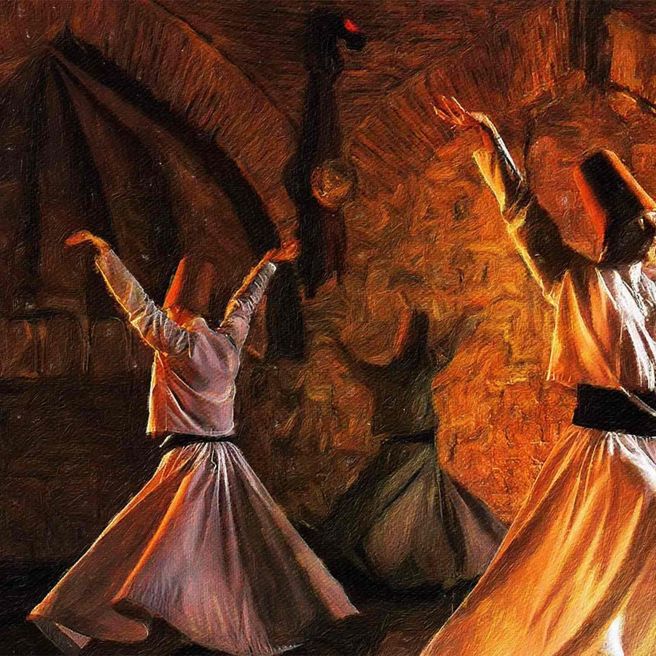
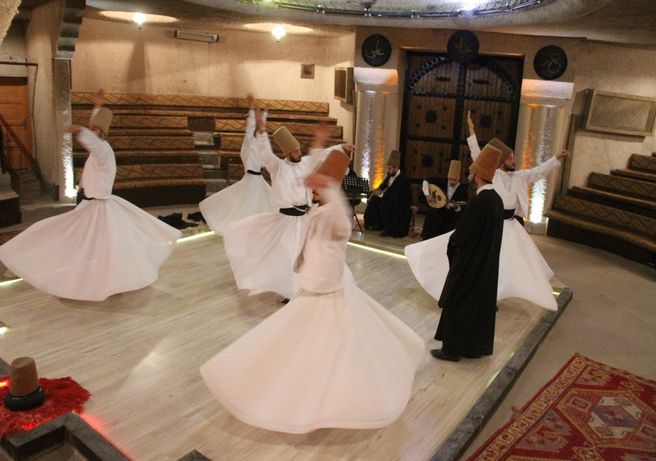
Beyond the iconic white travertine terraces, your Pamukkale journey might hold another unforgettable scene: the Sema ritual, where dervishes slowly spin with their white robes swirling around them.
Sema is a ritual of the Mevlevi Order, followers of the 13th-century Sufi poet Mevlana Jalaluddin Rumi. Originating in Konya in 1273, this order’s Sema was inscribed on the UNESCO Representative List of the Intangible Cultural Heritage of Humanity in 2008.
More than a performance, it’s a time of prayer. This is highly recommended for travelers seeking a quiet immersion into Türkiye's spiritual heritage.
From Prayer to Rotation: The Ritual Unfolds
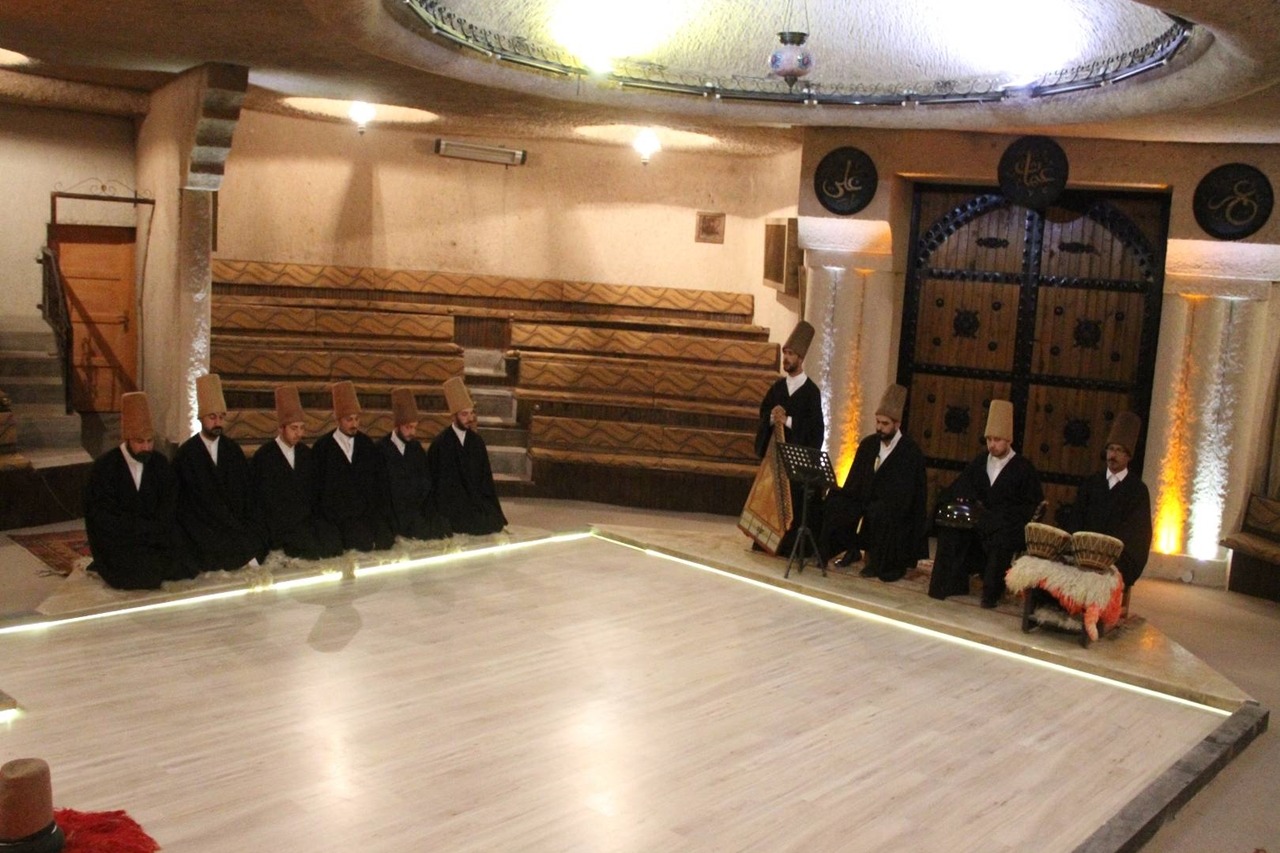
The ritual begins with prayer. After the head dervish assigns each participant their space, the Devr-i Veled, a slow circling of the stage, commences.
As the ceremony progresses, the dervishes shed their black cloaks. The cloak symbolizes the tomb, and shedding it signifies spiritual rebirth.
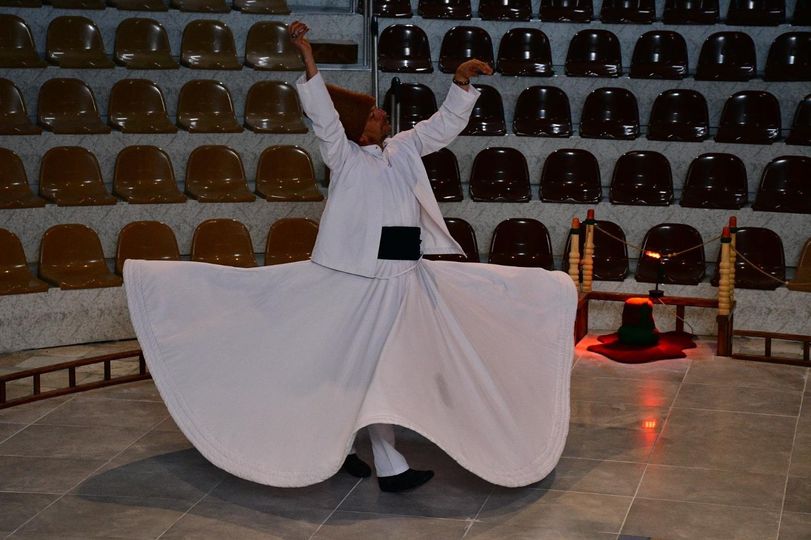
The spinning is achieved by using the left foot as a pivot and pushing with the right foot to create short rotations. While the eyes remain open, they are unfocused, allowing the movement to flow seamlessly.
Symbolism in the Hat, Robe, and Hands
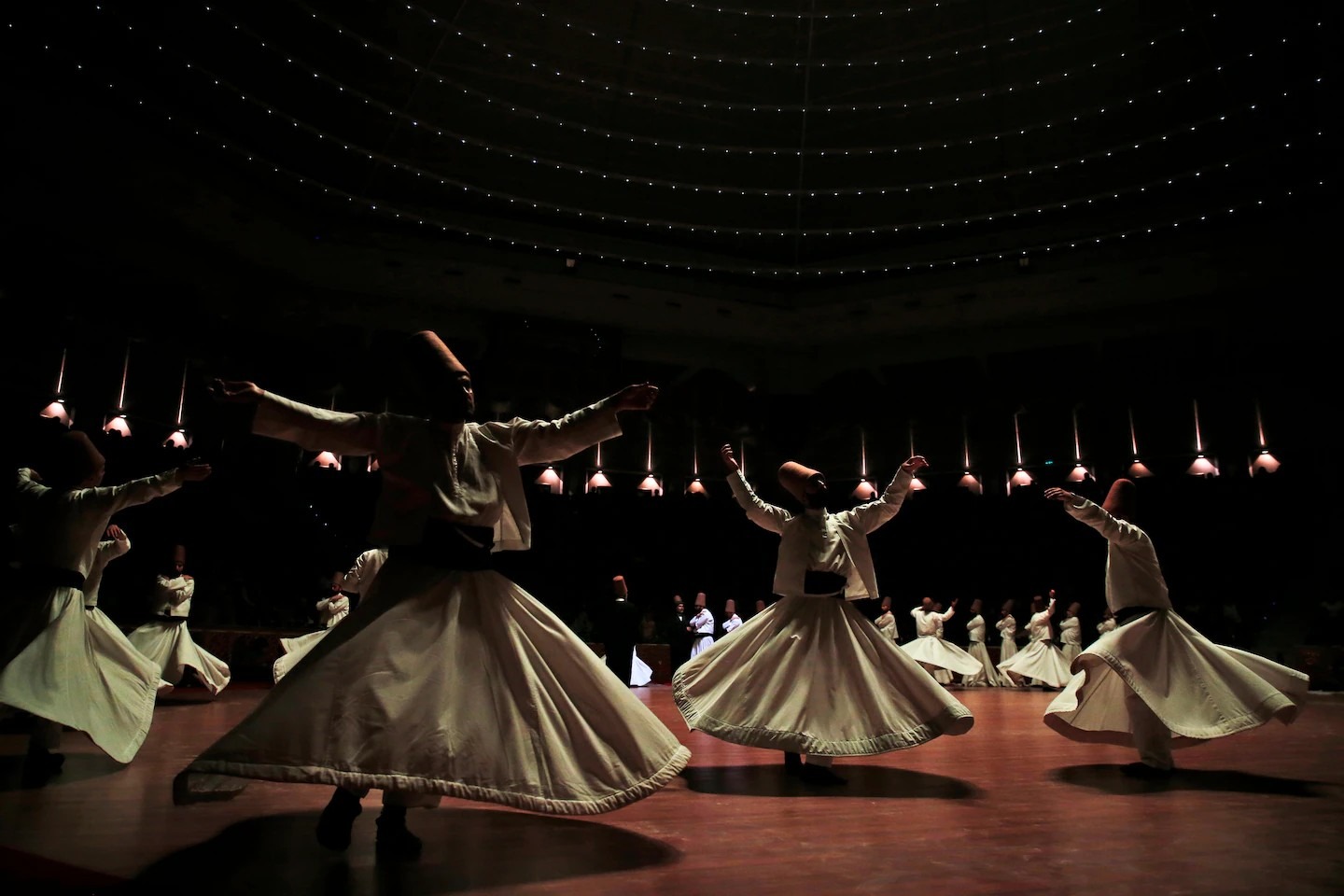
The tall camel-hair hat represents the tombstone of the ego, while the white robe symbolizes the shroud of the ego. As they spin, the right hand is raised towards heaven to receive blessings, and the left hand is lowered towards the earth to bestow those blessings upon people.
The ritual is accompanied by the music of the ney (reed flute) and kudüm (drum). Amidst the deep tones of the ney and the rhythm of the kudüm, the dervishes' spinning continues in serene motion.
What to Know Before Watching Sema in Pamukkale
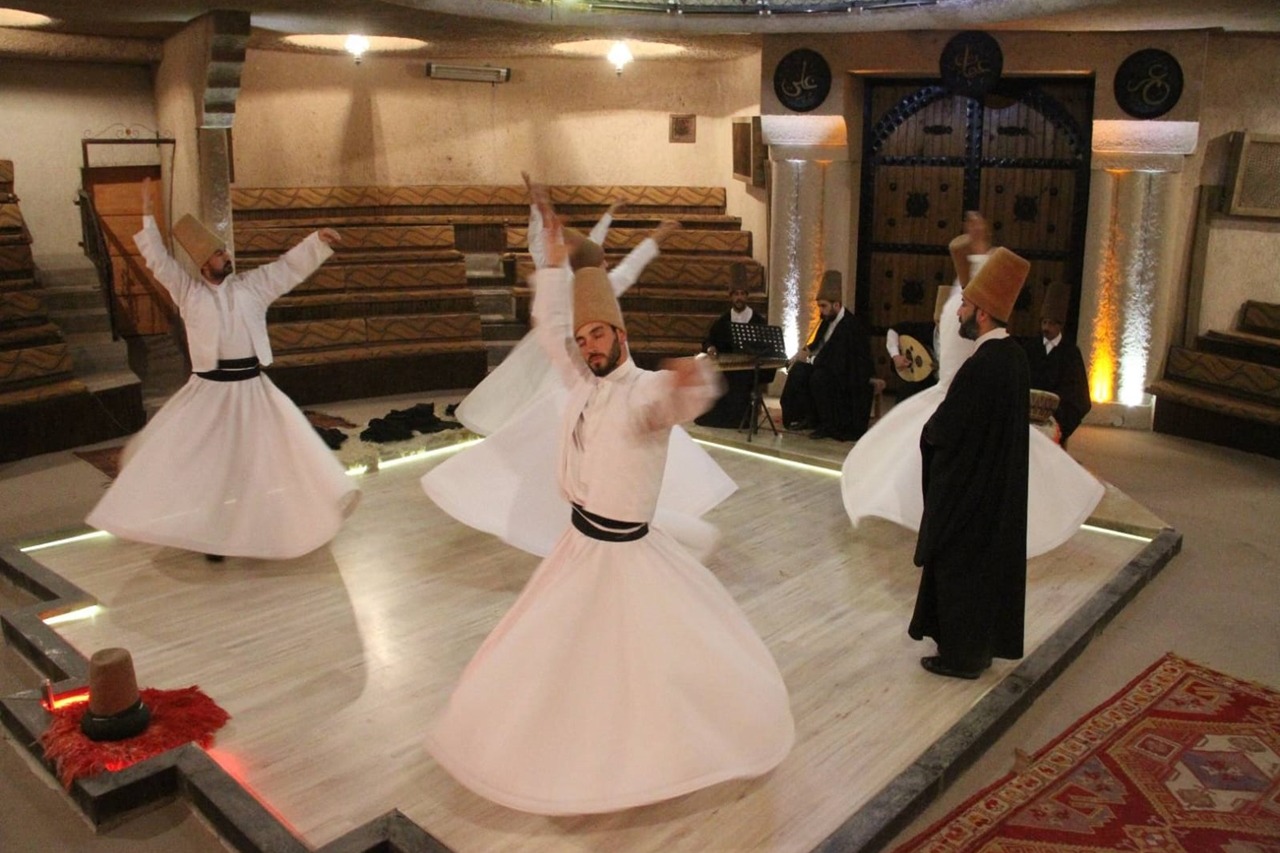
The Sema ceremony in Pamukkale lasts about an hour. You can choose an option with hotel pickup or head directly to the venue, and some venues, like Derviş Evi in Karahayıt village, also serve traditional sherbet.
Performance times can vary by date, and hotel pickup is only available if your accommodation is within the designated service area. Be aware that some options require a minimum of two people to book, so it’s worth checking in advance.
As Sema is a religious ceremony, it's customary to observe quietly, refraining from applause or conversation during the performance. Avoid flash photography, and follow on-site guidance regarding general photography.
After a day exploring the white travertine terraces, if you seek a moment of calm and introspection, consider adding the Pamukkale Sema ritual to your itinerary.