Naples Herculaneum Archaeological Site Admission Ticket
¥ 600
2026.11.09Directed by Travel Insider Tony
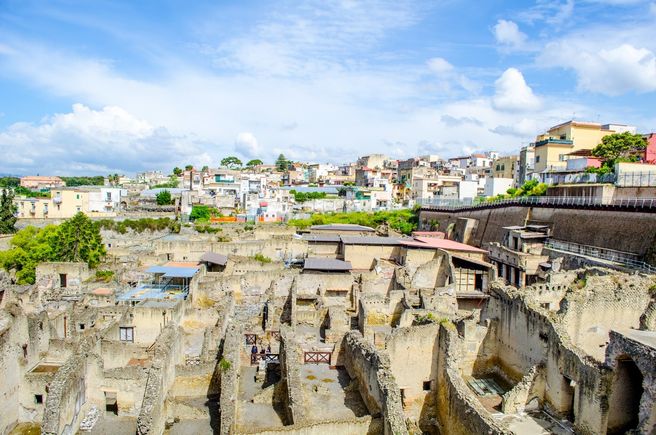
About 8km from downtown Naples lies Ercolano, home to the ancient Roman city of Herculaneum, which was buried along with Pompeii by the eruption of Mount Vesuvius in 79 AD.
While smaller in scale than Pompeii, Herculaneum is exceptionally well-preserved, with even the upper structures of houses, wooden furniture, and food discovered intact. It was designated a UNESCO World Heritage site in 1997, together with Pompeii and Torre Annunziata.
If you're looking for an intimate look into the daily lives of Romans, dedicating half a day from your Naples itinerary is well worth it.
20 Meters Beneath the Modern Town, an Ancient City Rediscovered
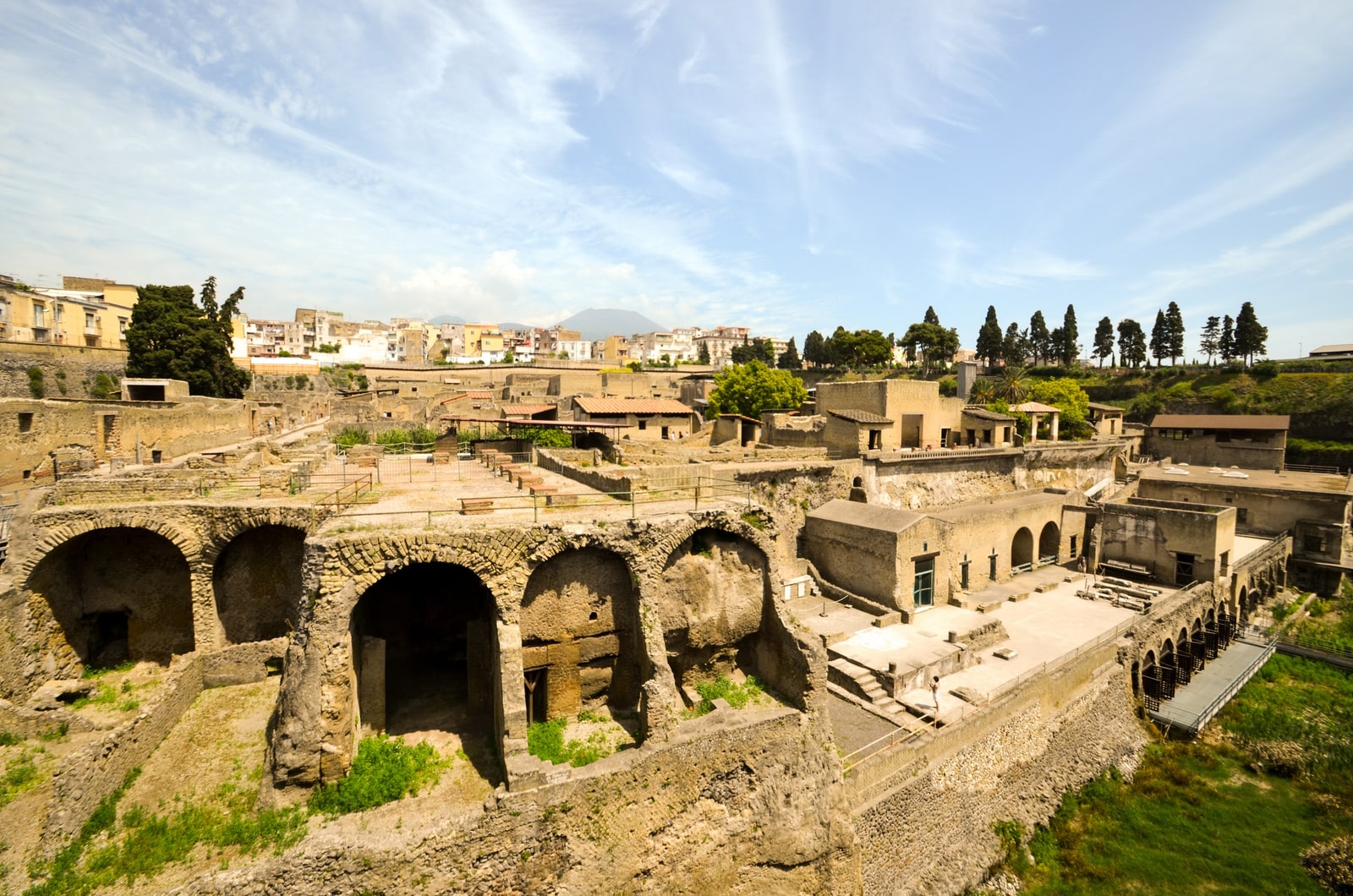
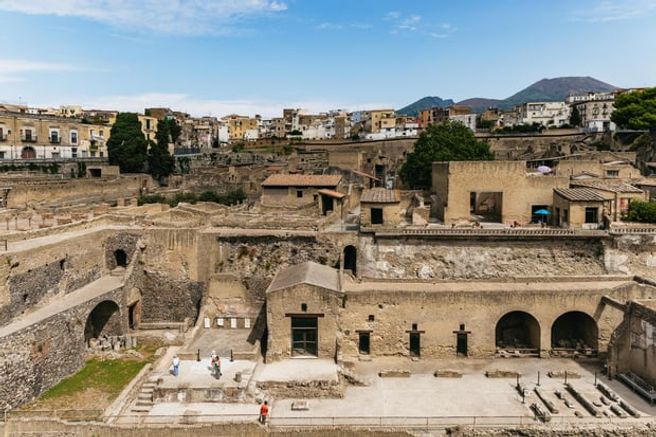
Herculaneum was situated on a hill overlooking the sea, with Mount Vesuvius looming behind it. Unlike Pompeii, which was covered by thick volcanic ash and debris, Herculaneum disappeared under hot pyroclastic flows.
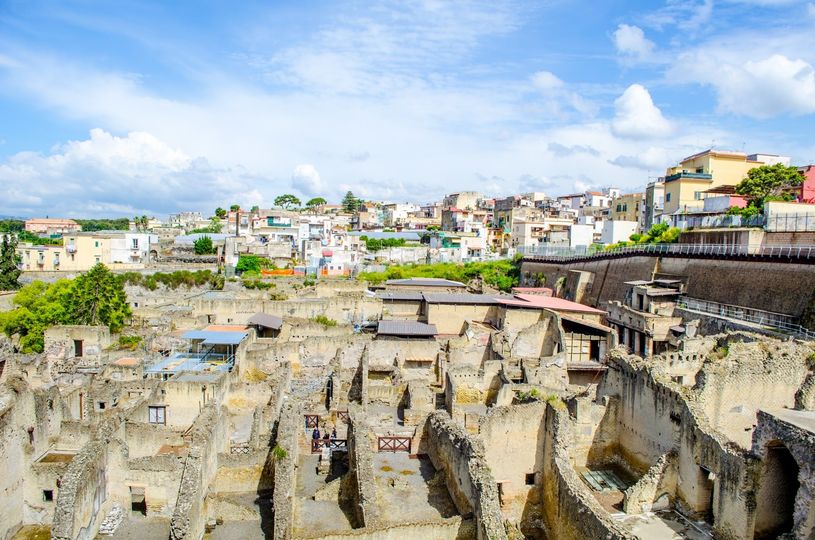
Excavations began in 1738 under the Bourbon monarchy, with wells and tunnels dug down through the approximately 20-meter-thick layer of volcanic material. In 1927, archaeologist Amedeo Maiuri led open-air excavations. Today, much of the city still lies buried beneath the modern city of Ercolano.
In the 1980s, the ancient coastline was revealed, leading to the discovery of around 300 skeletons of people who tried to flee, along with a boat.
Roman Homes with Upper Floors and Even Wood Intact
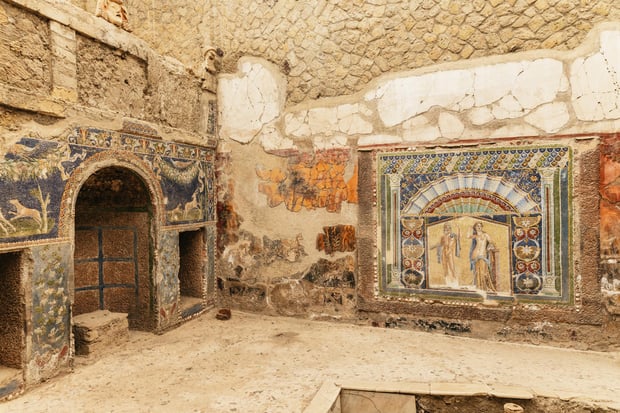
The intense heat of the volcanic material that covered the city preserved the upper structures of houses without collapse. Carbonized wooden furniture, building elements, and even food items were found in their original state.
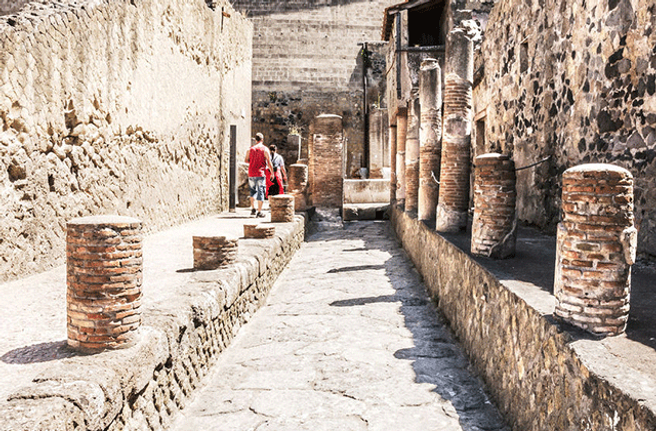
You can explore grand residences like the House of Neptune and Amphitrite, famous for its blue mosaics, and the Samnite House, as well as thermal baths and a gymnasium. Shops with large wine amphorae still in place vividly recreate the street scenes of 2,000 years ago.
Exploring Herculaneum: From Tickets to Archaeologist Tours
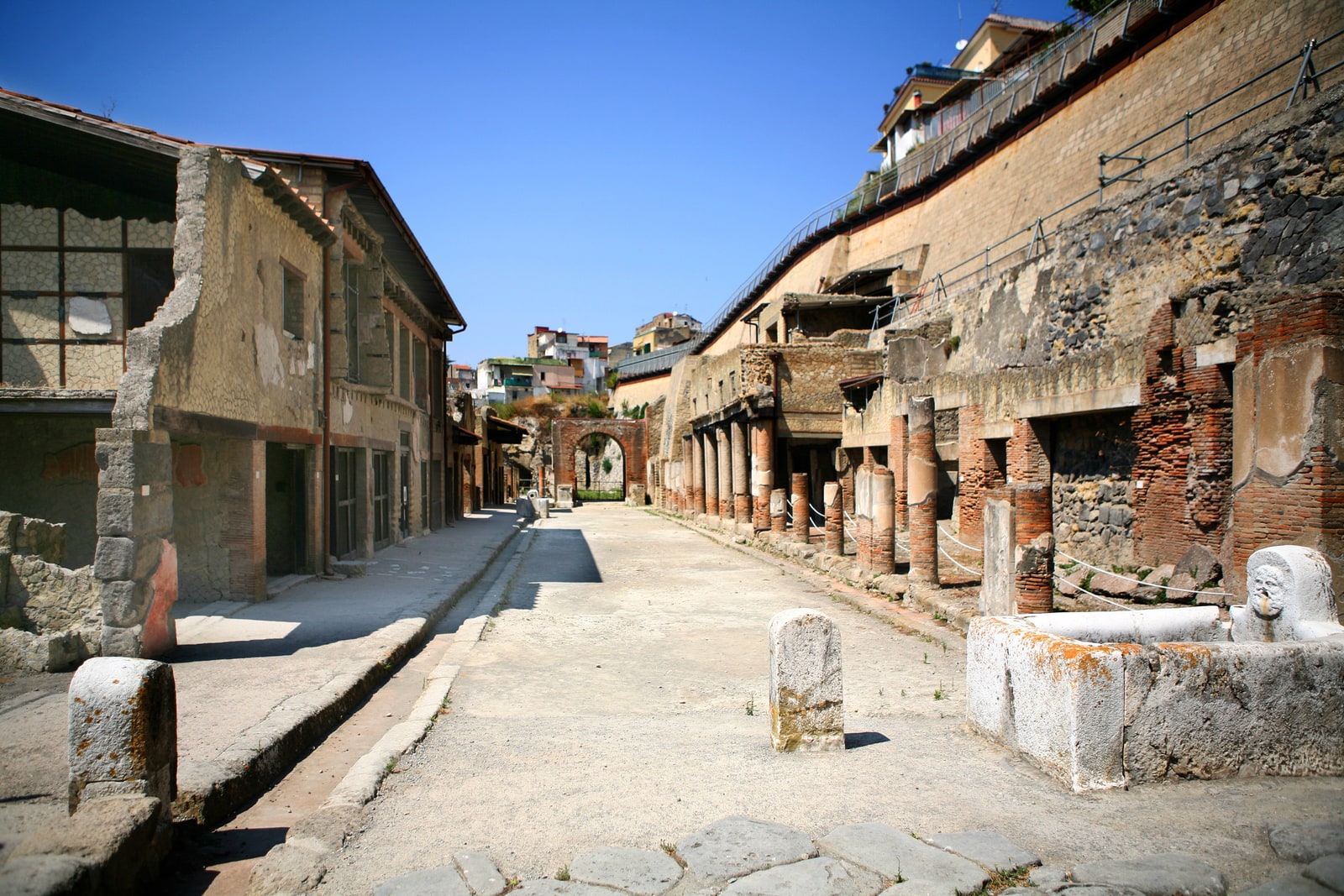
If you prefer to wander at your own pace along the cobblestone paths, an entrance ticket alone will suffice. For added context, you can opt for an audio guide, available via a smartphone app or on-site devices. For a more in-depth experience, consider a priority access tour led by an archaeologist, lasting about two hours, with options to depart from Naples or Rome.
If you plan to visit Pompeii on the same day, you can choose a package that includes priority access tickets and audio guides for both sites. Travel between the two locations is via the Circumvesuviana train, for which separate tickets are required.
Operating hours vary by season, and the site is closed on January 1st and December 25th, so be sure to check the official website before your visit. If you're seeking a different perspective on Roman life than what Pompeii offers, head to Ercolano.