From Fukuoka: Yume Suspension Bridge & Usa Jingu Autumn Tour
US$ 57.62
2026.11.20Directed by Travel Insider Wanda
Oita in northeastern Kyushu is known for its hot springs, but it also has shrines and temples more than a thousand years old, deep valleys and historic streets. The scenery changes from area to area, from the Kunisaki Peninsula by the sea to Kokonoe and Hita in the western mountains.
Here are seven landmarks to visit on your first trip to Oita. Splitting your route into the Usa and Kunisaki area in the north, the western mountains and Usuki in the southeast makes getting around easier.
1. Usa Jingu Shrine
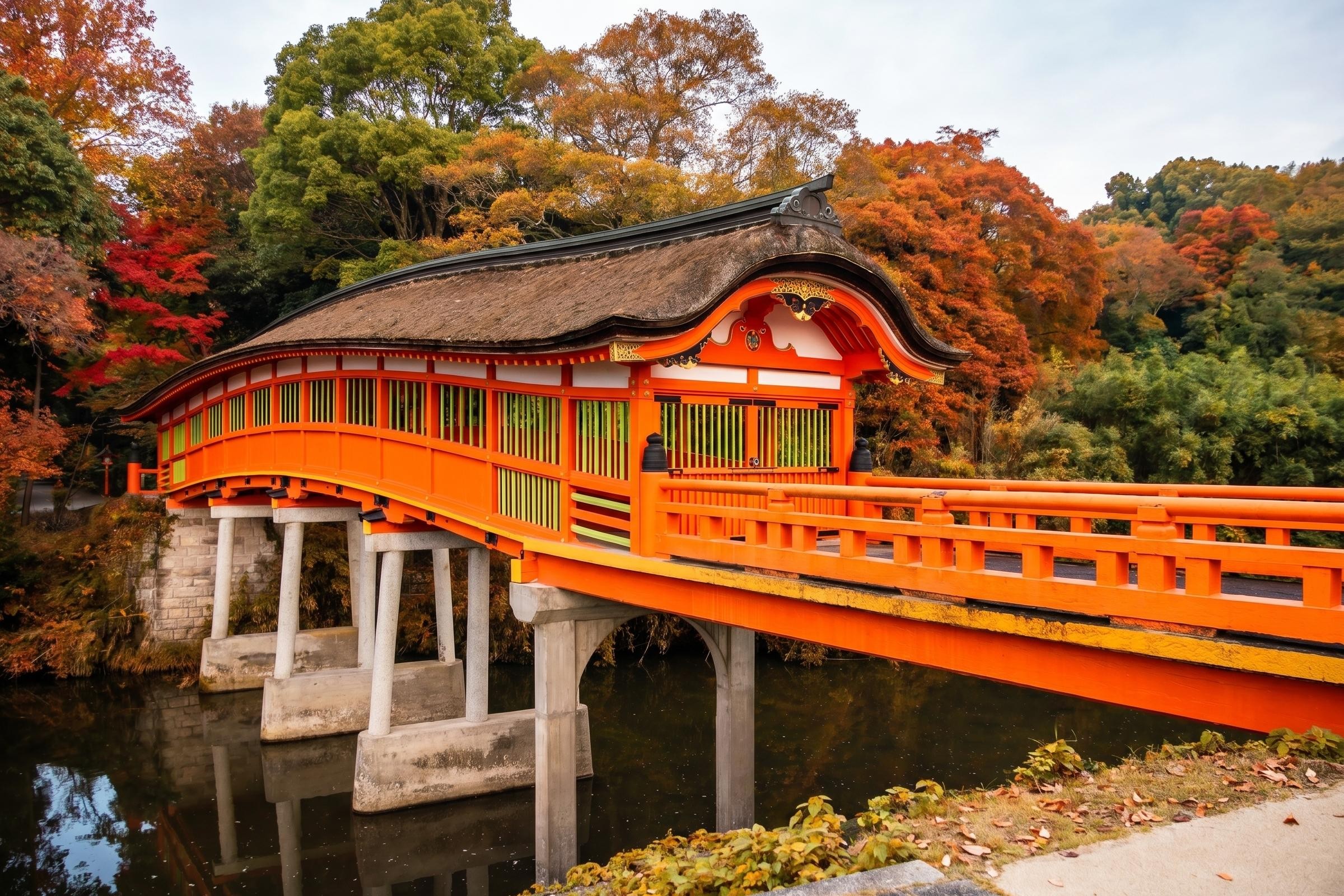
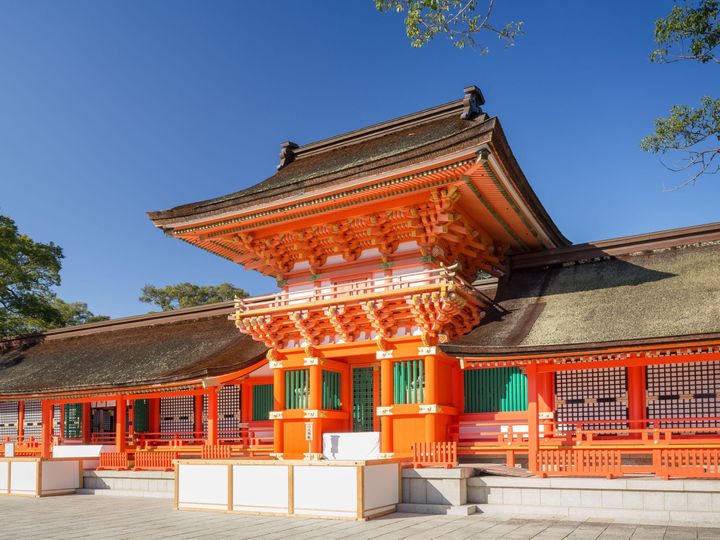
Usa Jingu is the head shrine of the more than 40,000 Hachiman shrines across Japan. Founded in 725, it has a history of about 1,300 years, and the main hall of the Upper Shrine, three buildings with white walls and vermilion pillars standing side by side, is a National Treasure.
The Upper and Lower Shrines enshrine the same three deities, and it is customary to visit both. The grounds also include Kurebashi, a roofed vermilion bridge. It is about 10 minutes by taxi from JR Usa Station.
2. Futagoji Temple (Kunisaki Peninsula)
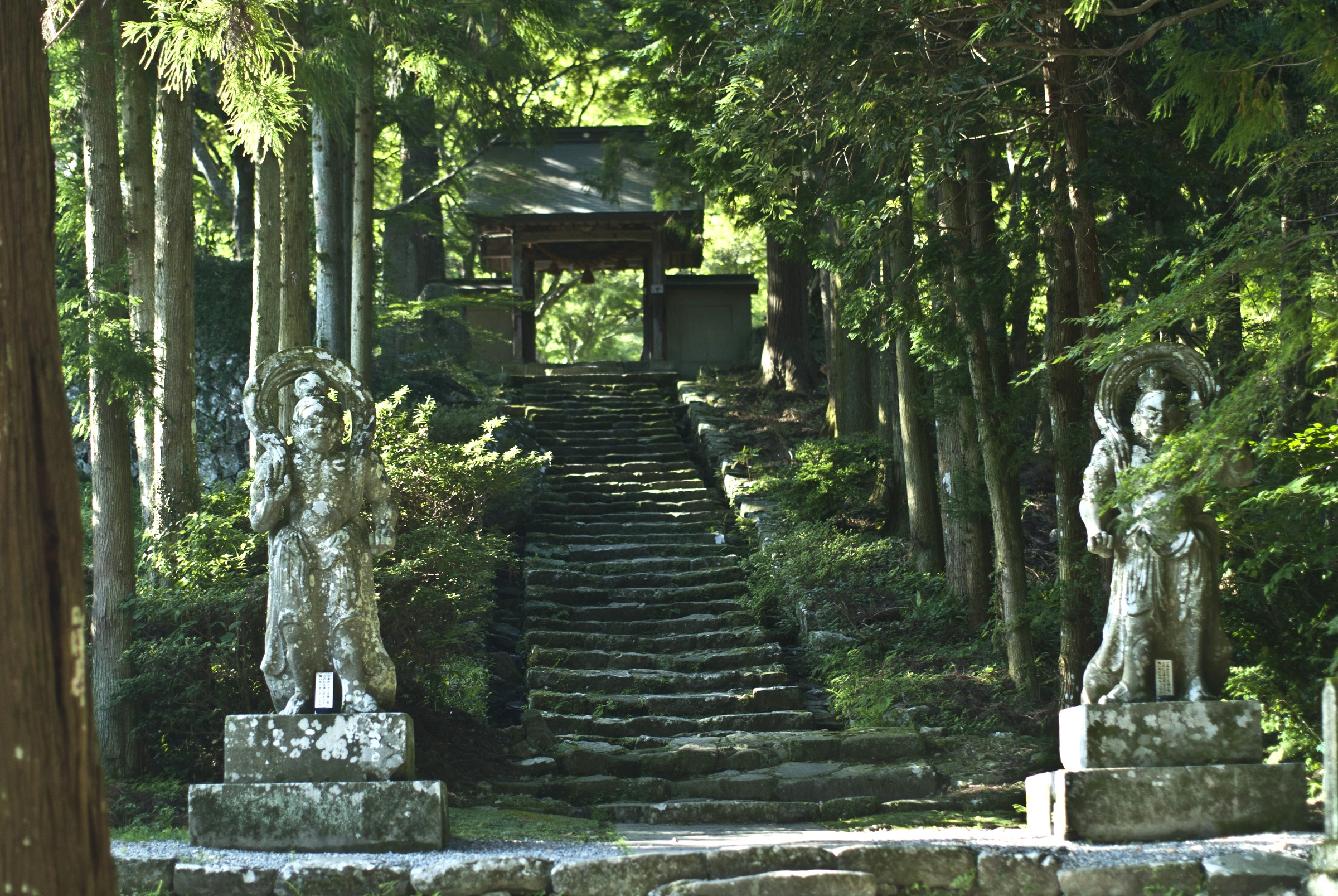
Futagoji is a temple at the foot of Mt. Futago in the center of the Kunisaki Peninsula, founded in 718. It offers a glimpse of the peninsula's Rokugo Manzan culture, where Shinto deities and Buddhas have long been worshipped together.
A pair of 2.5-meter stone Nio guardian statues stands on either side of the stone steps at the entrance, and a cedar forest surrounds the grounds. It is about 40 minutes by car from JR Kitsuki Station.
3. Yabakei and Ao-no-Domon
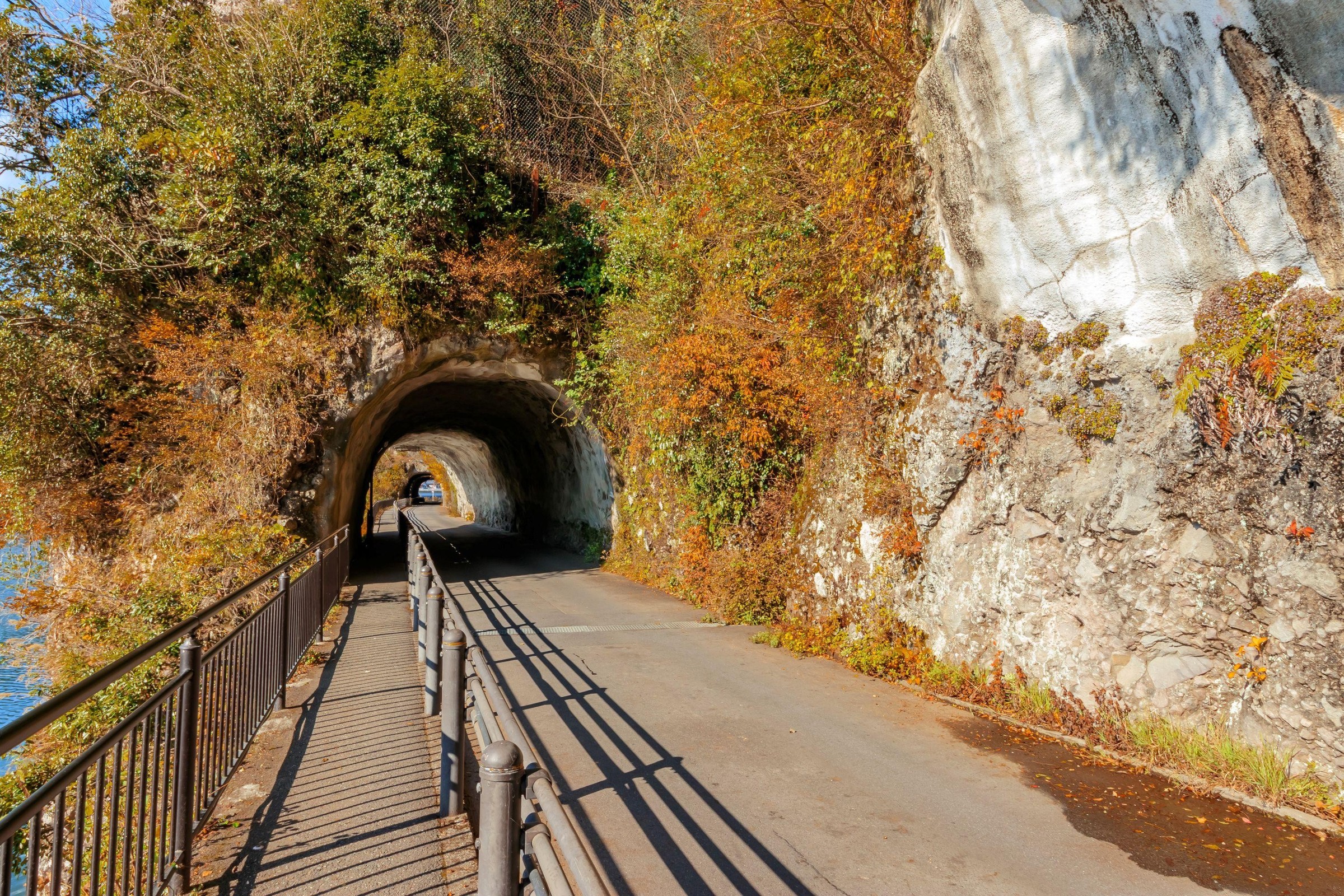
Yabakei is a gorge carved by the Yamakuni River through a lava plateau, with oddly shaped rocks and peaks stretching along the valley. From the Hitome Hakkei viewpoint in Shin-Yabakei, you can see these distinctive rock peaks at a glance.
Ao-no-Domon in Hon-Yabakei is a passage the monk Zenkai dug with a chisel and hammer over more than 30 years, completing it in 1764. Some sections still show traces of the hand-carving. It is about 30 minutes by bus from JR Nakatsu Station.
4. Kokonoe 'Yume' Otsurihashi
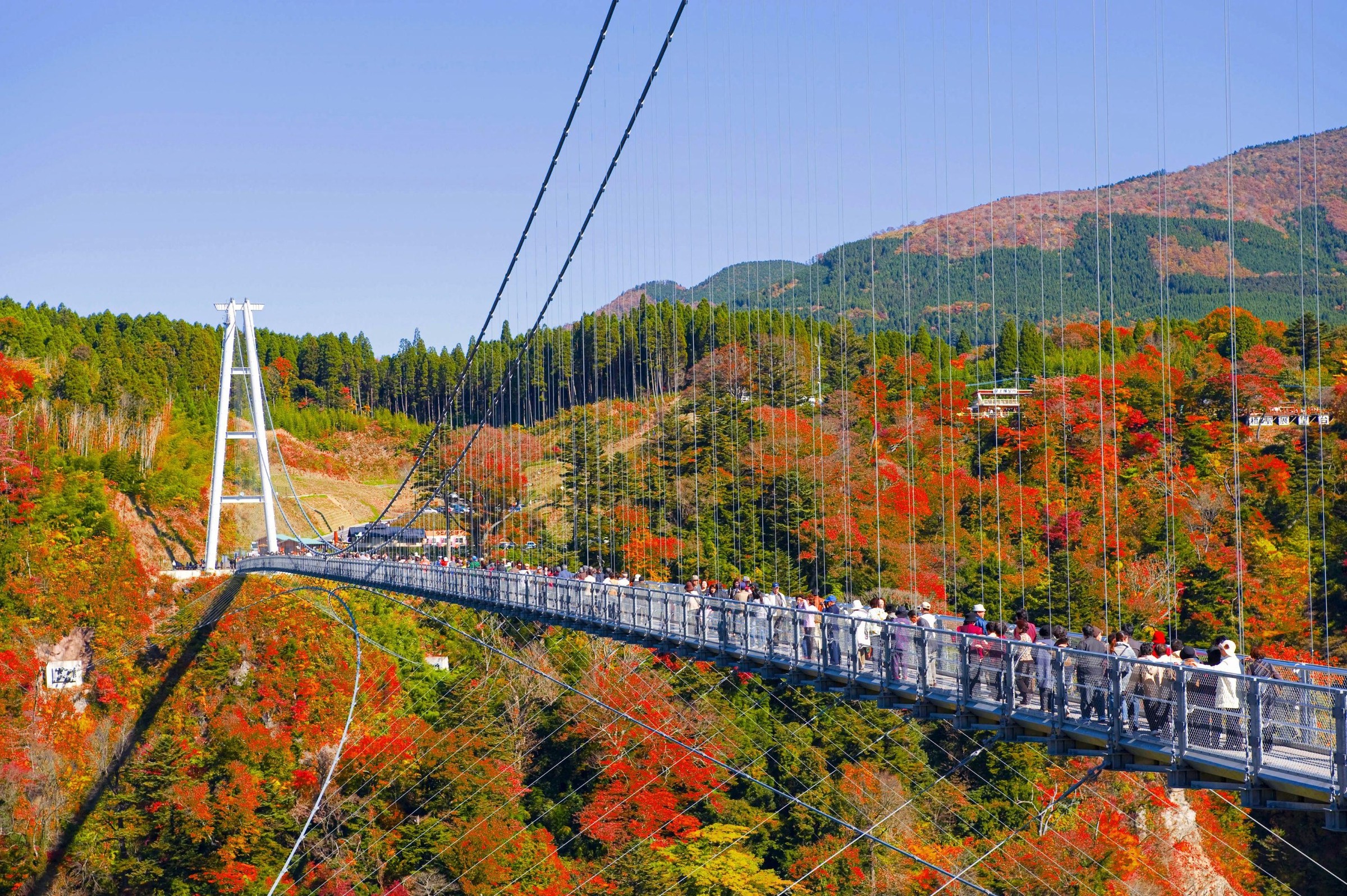
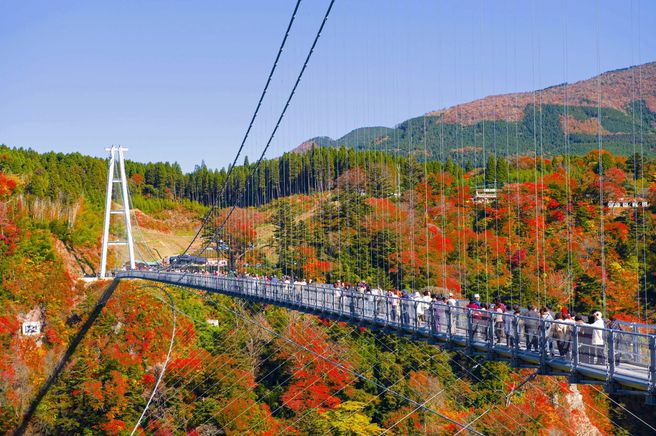
The Kokonoe 'Yume' Otsurihashi spans the Naruko River gorge at an elevation of 777 meters. At 173 meters high and 390 meters long, it is the tallest pedestrian suspension bridge in Japan.
From the bridge, you can look down on Shindo Falls, one of Japan's Top 100 Waterfalls, and the dense forest, and on clear days you can see the Kuju Mountains in the distance. It is about 20 minutes by town bus from JR Bungo-Nakamura Station.
5. Hita Mameda-machi
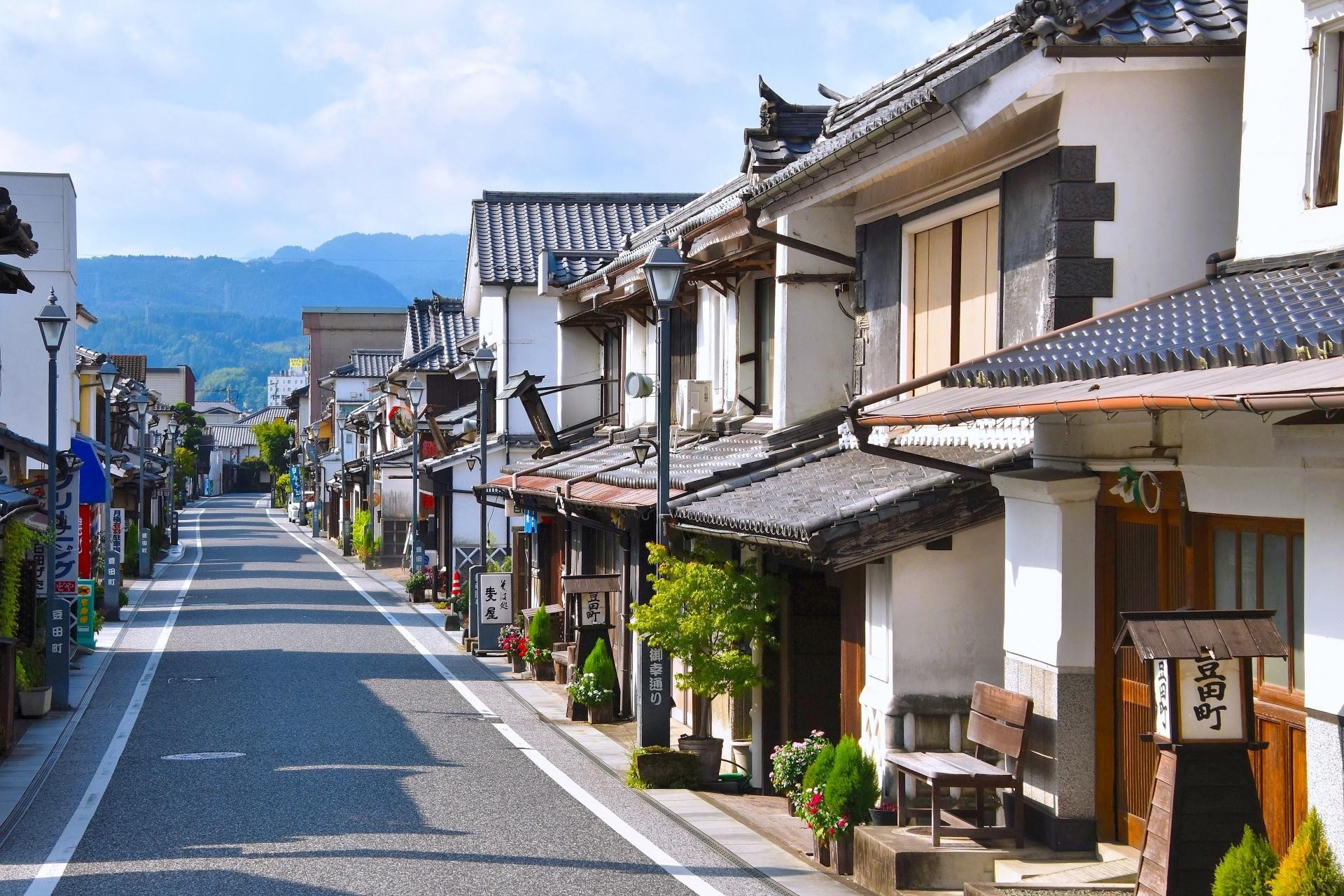
Hita prospered as a merchant town under the direct rule of the shogunate in the Edo period and is called the 'Little Kyoto of Kyushu.' Its center, Mameda-machi, keeps old merchant houses and white-walled buildings and is designated a national Important Preservation District for Groups of Traditional Buildings.
It is a pleasant place for a slow walk, stopping at sake breweries and craft shops set in traditional houses. It is about a 15-minute walk from JR Hita Station.
6. Usuki Stone Buddhas
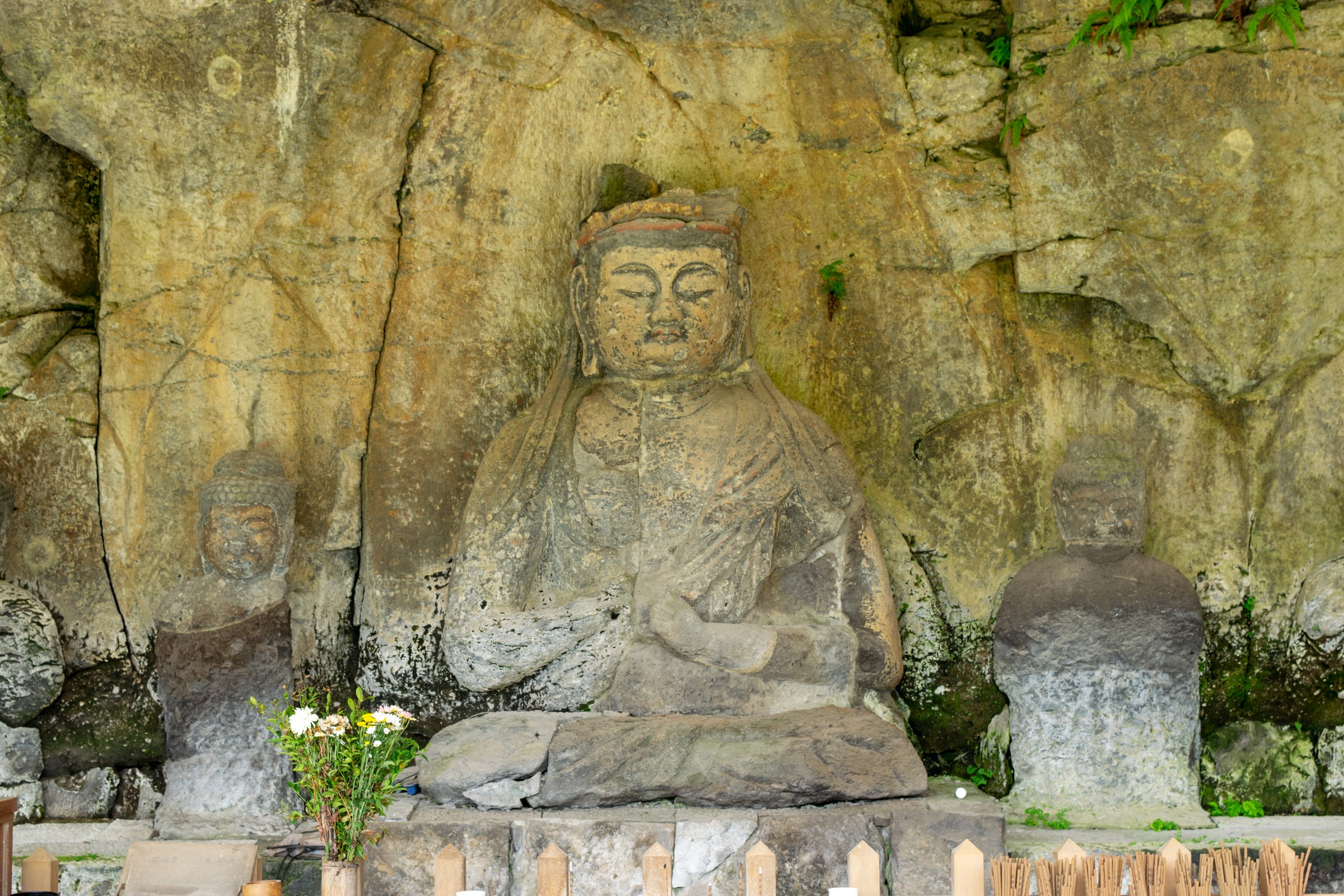
The Usuki Stone Buddhas are more than 60 Buddhist figures carved directly into cliffs of hardened volcanic ash from Mt. Aso. They are thought to date from the late Heian to the Kamakura period, and in 1995 they became the first rock-carved Buddhas in Japan to be designated a National Treasure.
The statues are divided into four groups, and the seated Dainichi Nyorai of the Furuzono group is regarded as a masterpiece of Japanese stone Buddhas. It is about 20 minutes by bus from JR Usuki Station.
7. Bungotakada Showa no Machi
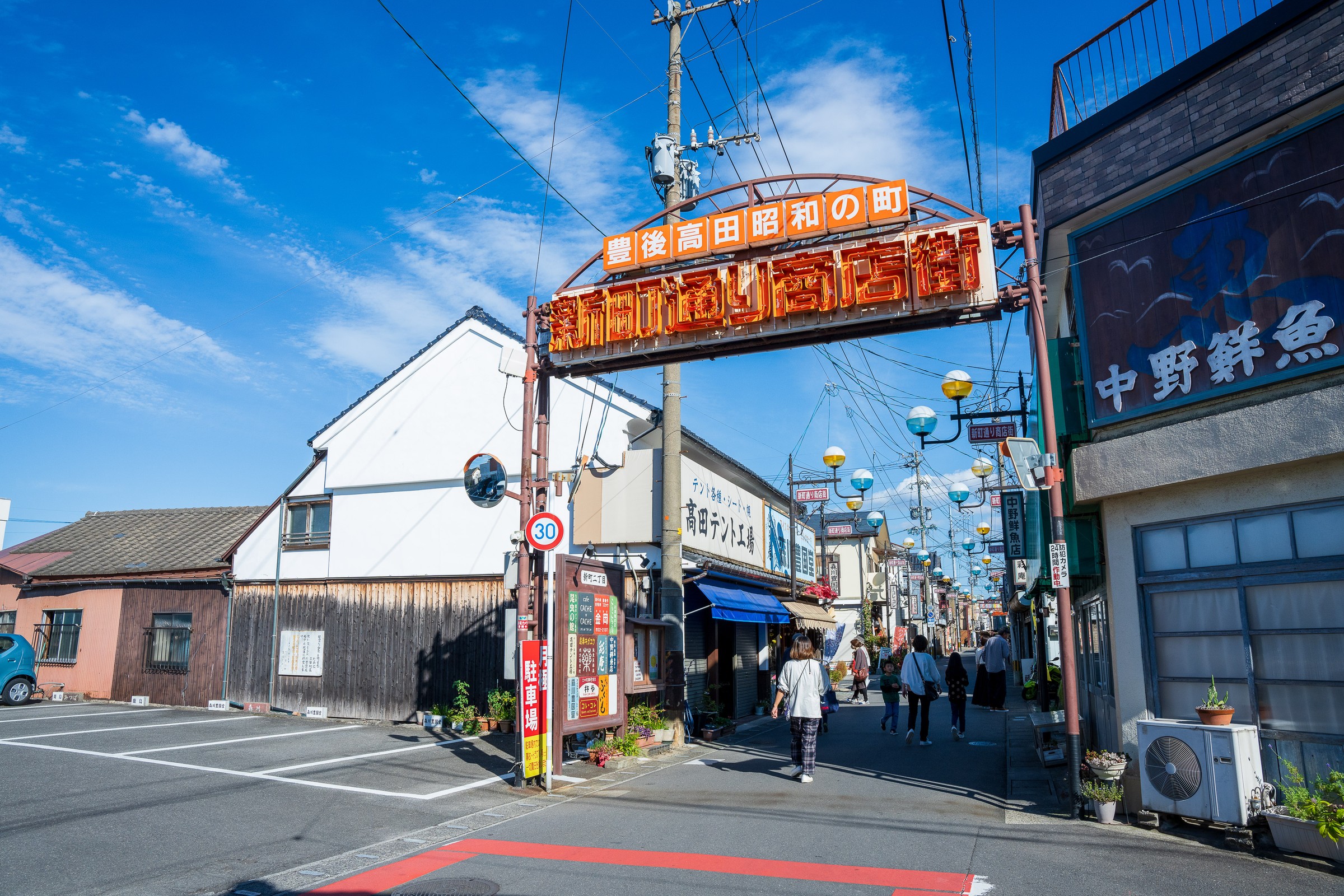
Bungotakada Showa no Machi is a shopping street of about 550 meters that recreates the townscape of 1950s and 1960s Japan. Shops with old-fashioned signs line the street, and exhibition halls display toys and everyday items from that era.
Vintage bonnet buses run through the streets, mainly on weekends. It is about 10 minutes by taxi from JR Usa Station, so add it to your plans together with Usa Jingu Shrine.