Seoul Gangnam Smile Eye Clinic Precision Eye Exam & Bone line Oriental Medicine Clinic Wellness PKG
US$ 43.07
2026.11.24Directed by Travel Insider Jay
Lately, have you found it difficult to read small print on your smartphone, or do your glasses not provide the clarity they used to?
If lights appear blurry when driving at night or your eyes get tired easily, it might be time to consider an eye examination.
Seoul is a city that attracts many international travelers seeking medical services, alongside its renowned shopping, dining, and K-beauty experiences.
On your upcoming trip to Korea, how about taking care of your eye health, something you might have been putting off?
You can conveniently book appointments for everything from presbyopia tests to cataract screenings and comprehensive eye exams through WAUG, even before arriving in Korea.
Difficulty Reading Close-Up? Consider a Presbyopia Exam
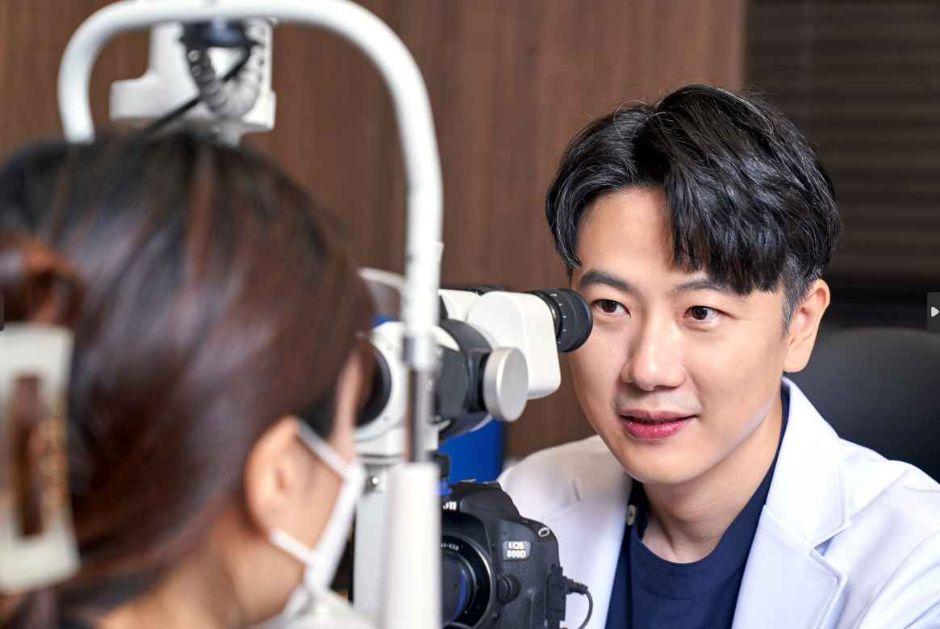
After the age of 40, many people start to notice that words appear blurrier when looking at smartphones or books.
Presbyopia is a natural change that occurs with age, where the eye's lens loses its ability to adjust focus, making it difficult to see nearby objects clearly.
If you're experiencing any of the following symptoms, it's worth considering an eye exam:
Holding your smartphone further away than usual to read.
Your eyes get tired easily when reading small print.
Struggling to read books or menus in dim lighting.
Experiencing slow focus transition when shifting your gaze between near and far objects.
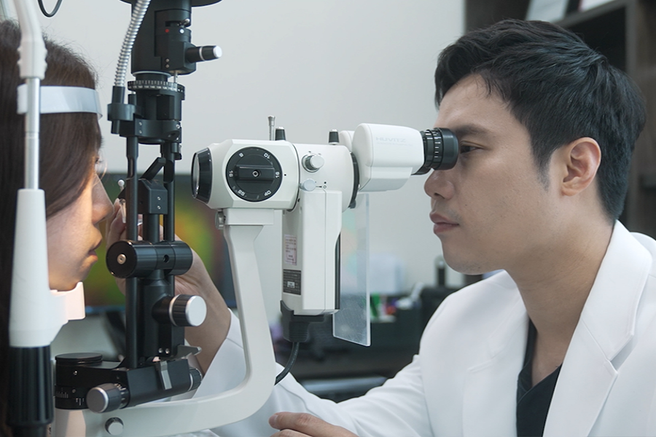
An ophthalmologist can assess your vision, refractive status, and the focusing ability of your eyes, then recommend the most suitable correction methods for your current condition.
Presbyopia doesn't always require surgery. Various options like reading glasses or multifocal lenses are available, and the best approach depends on your individual eye health and lifestyle.
During your Seoul trip, get your eyes checked by a specialist to understand your vision status.
World Appearing Hazy? It Could Be Cataracts
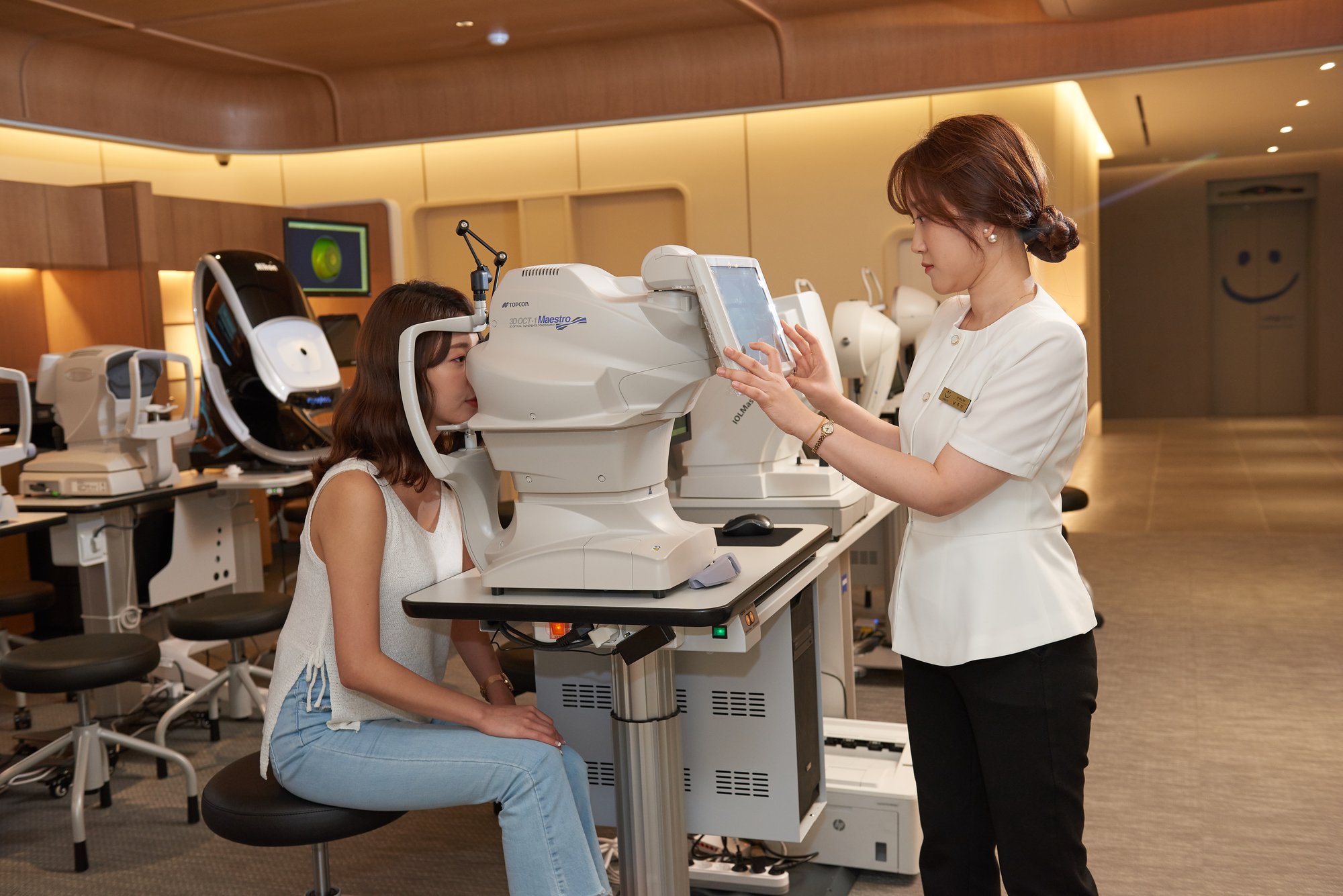
Cataracts occur when the eye's clear lens becomes cloudy, leading to blurred vision.
While often age-related, they can also be caused by conditions like diabetes or eye injuries.
It's a good idea to get checked for cataracts if you notice any of these changes:
Your vision remains unclear even with corrective lenses.
Objects appear hazy, as if looking through a fog.
Experiencing glare or halos around lights at night.
Increased sensitivity to bright sunlight.
Colors seem less vibrant than before.
A cataract examination assesses the degree of cloudiness, your vision, and checks for any co-existing eye conditions.
This allows for the identification of cataracts and their progression, enabling a consultation with a specialist about the appropriate time for treatment.
Having cataracts doesn't automatically mean immediate surgery. The decision to treat is based on how much they affect your daily life and your overall eye health.
Even Without Specific Symptoms, Consider a Comprehensive Eye Exam
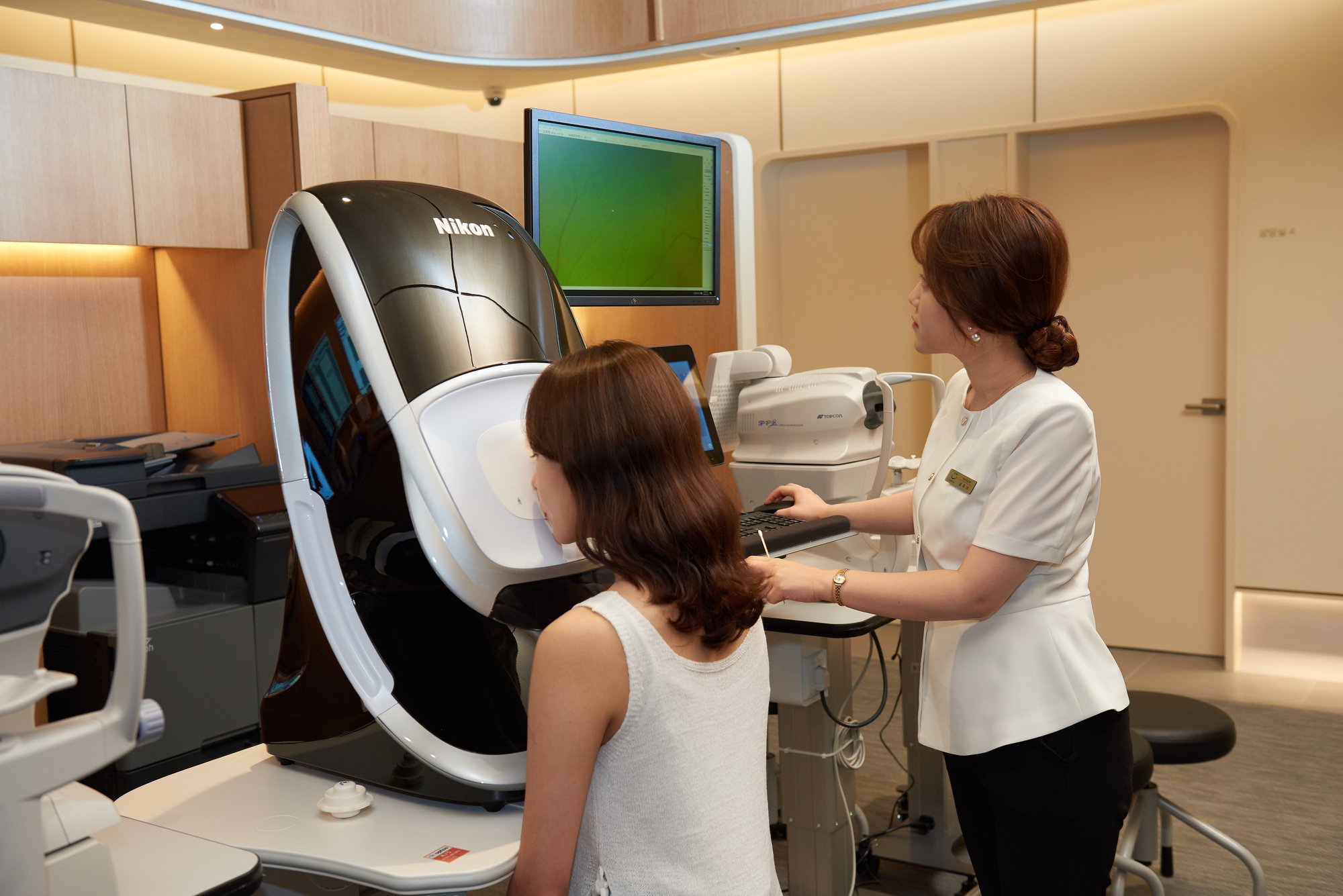
Eye health is more complex than just good or poor vision.
Conditions like glaucoma or certain retinal diseases may not present obvious symptoms in their early stages.
If you haven't had an eye exam in a long time, or if there's a family history of eye conditions, a comprehensive eye health check-up is recommended.
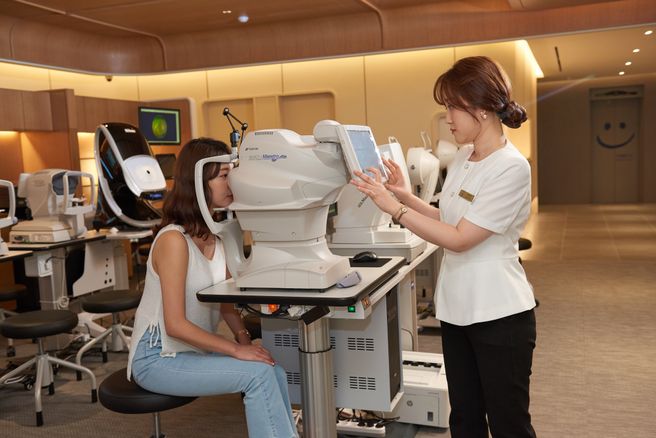
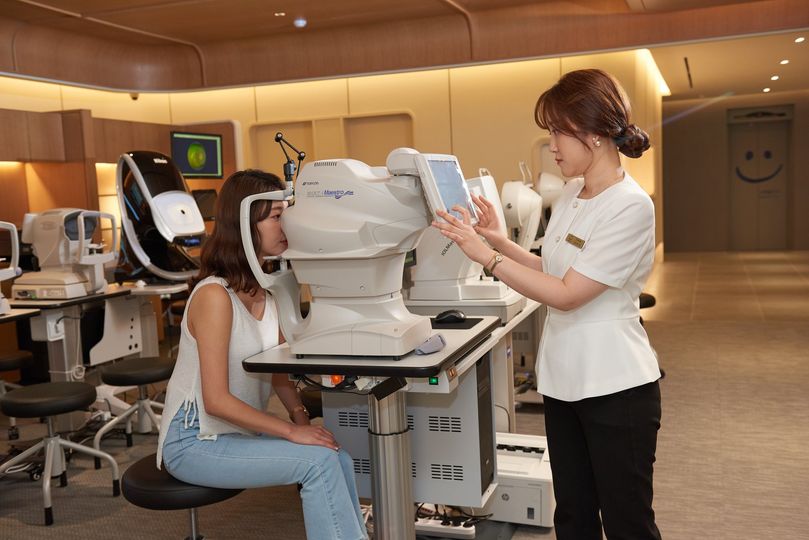
Depending on the clinic and the exam package, a comprehensive eye exam may include:
Vision and Refraction Test
Intraocular Pressure (IOP) Measurement
Cornea and Lens Examination
Retina and Fundus Examination
Optic Nerve Examination
Optical Coherence Tomography (OCT)
Consultation with an Ophthalmologist
Especially if you are over 40, have diabetes, high myopia, or a family history of glaucoma, it's advisable to consult with a specialist to determine the necessary tests and examination frequency for you.
The specific components of a comprehensive exam can vary based on the medical institution and the chosen package.
Getting an Eye Exam During Your Seoul Trip

When visiting a hospital abroad, common concerns include language barriers, appointment booking, and examination costs.
WAUG allows you to explore and pre-book eye examination programs in Seoul before your trip.
The advantage is that you can plan your visit according to your travel itinerary, rather than searching for clinics after arriving in Korea.
Before booking, please check the examination details, estimated costs, whether services are available for international patients, and if English or Japanese consultations and interpretation are provided.
Confirming whether you can receive your exam results in English or Japanese beforehand can be helpful for consultations with medical professionals back home.
This Seoul trip is a great opportunity to set aside time for your health, in addition to shopping and sightseeing.
Things to Know Before Booking Your Eye Exam
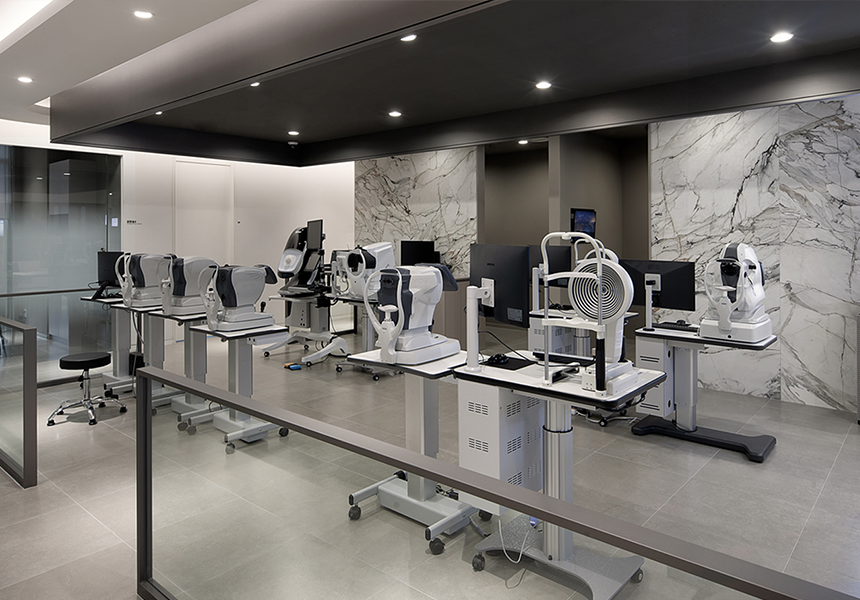
When you go for your examination, it's helpful to bring your current glasses or contact lenses, information about any medications you're taking, and previous eye exam records if available.
Some tests may require you to stop wearing contact lenses, so please check the clinic's instructions beforehand.
If you undergo a mydriatic eye exam (which uses eye drops to dilate pupils), you may experience temporary light sensitivity and difficulty focusing on near objects for a few hours.
On the day of your exam, consider bringing sunglasses and avoid activities that require clear vision or driving.
Furthermore, if you experience sudden vision loss, severe eye pain, flashes of light or a sudden increase in floaters, or if your vision is suddenly obstructed like a curtain, seek immediate medical attention without waiting for your trip to end.
Book in Advance with WAUG Before Arriving in Korea
For those concerned about presbyopia, needing a cataract check-up, or haven't had their eye health assessed in a while.
Undergoing an examination doesn't automatically commit you to surgery or treatment.
Start by accurately understanding your current eye condition and learning how to manage it moving forward.
Explore Seoul eye examination programs on WAUG and book in advance to fit your Korean travel schedule.
Why not take the first step towards clearer vision during your Seoul adventure?
※ WAUG is a booking platform. Actual examinations, diagnoses, and treatments are conducted by the respective medical institutions. Examination results and the need for treatment vary per individual, and additional costs may apply.