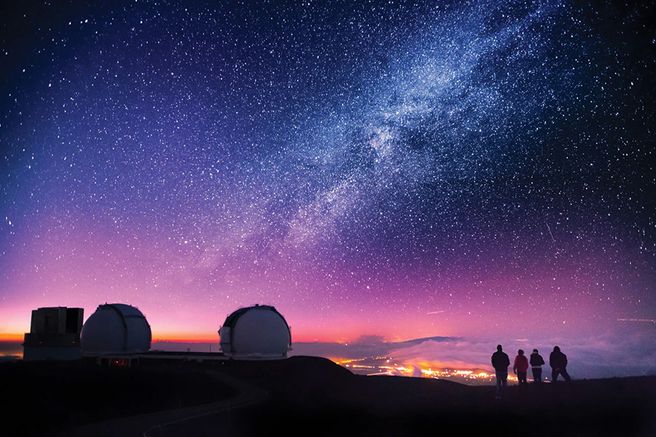
Mauna Kea Sunset & Stargazing Tour in Big Island, Hawaii
4.8
25 reviews
¥ 5,232
2026.01.07Directed by Amy
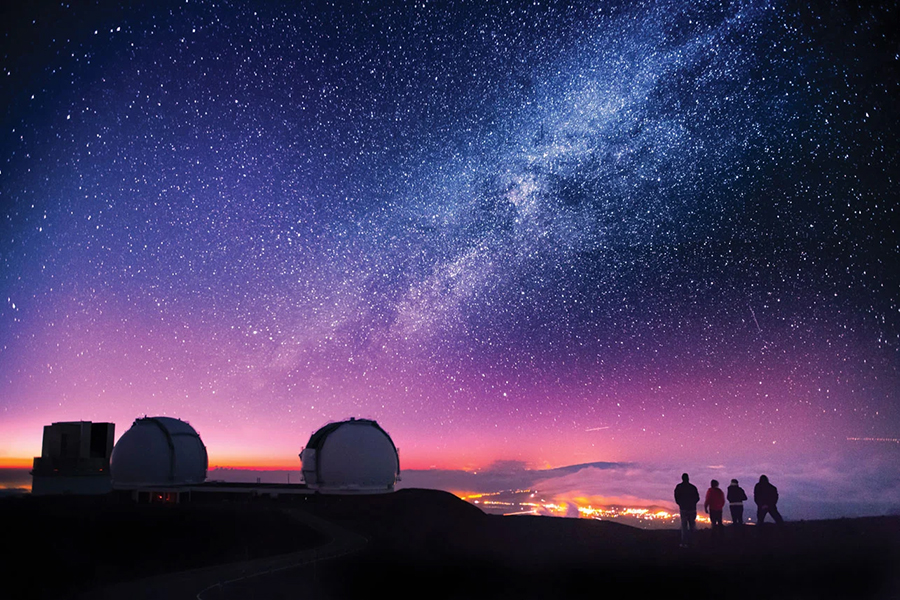
Mauna Kea, meaning "White Mountain" in Hawaiian, is the world's premier site for astronomy. In 2026, it remains home to 13 world-class telescopes from 11 countries. Witness the most breathtaking sunset and the Milky Way at the summit where the sky meets the earth. Booking via WAUG provides not only a safe journey to the 4,207m peak but also expert stargazing sessions with high-powered telescopes.
01. Essential Knowledge: Acclimatization and 4WD
The risk of altitude sickness is high at the summit. In 2026, all professional tours include a mandatory stop at the Onizuka Center for International Astronomy (2,800m) for at least an hour to acclimatize. Beyond this point, the road is unpaved and extremely steep, strictly requiring 4-wheel drive (4WD) vehicles. Since most rental car insurances do not cover this area, using a WAUG professional tour is the safest and most reliable way to reach the top.
02. Tour Highlights: Sunset Above the Clouds & Cosmic Wonders
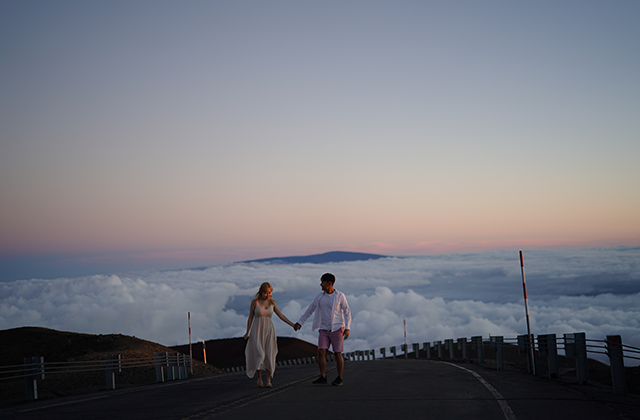
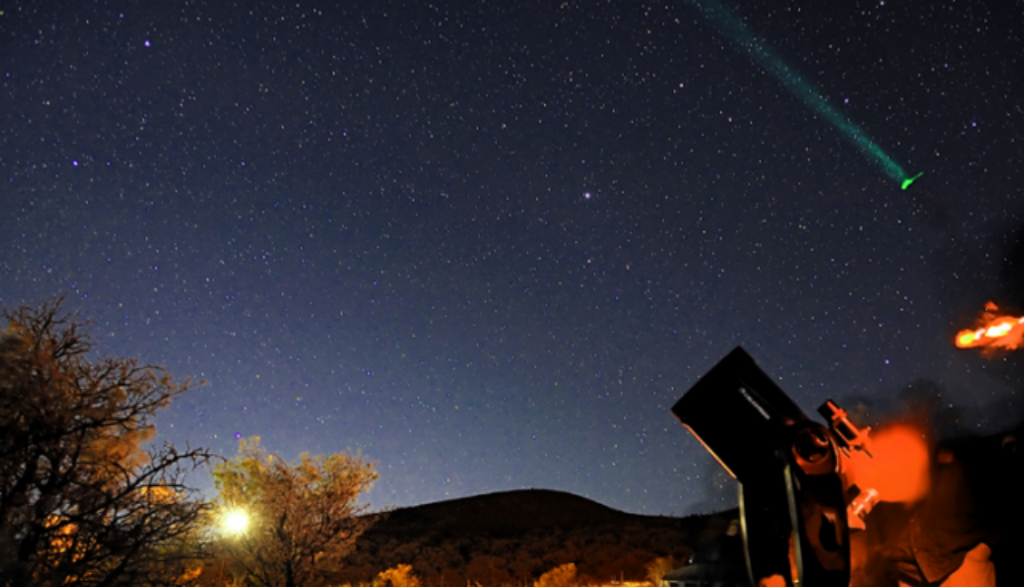
The journey usually begins in the afternoon. At the summit, you’ll stand above a majestic "sea of clouds" as the sun dips below the horizon. Once darkness falls, the sky transforms into a celestial canvas. In 2026, tours feature advanced laser-guided stargazing, allowing you to see Saturn’s rings and the Andromeda Galaxy with incredible clarity. It is a profound experience that makes you feel the vastness of the universe.
03. Pro-Tips: Prepare for Freezing Temperatures
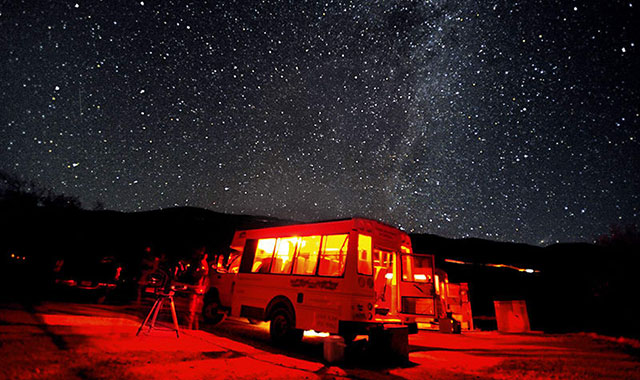
Despite being in Hawaii, the summit is often below freezing with high winds.
Gear:
Heavy winter coats, gloves, and beanies are mandatory. (WAUG tours typically provide heavy-duty parkas for guests.)
Health:
Pregnant women, children under 12, and those with respiratory issues should consult a doctor before visiting.
Diving Rule:
You must wait at least 24 hours after scuba diving before ascending Mauna Kea to avoid decompression sickness.


