![[Lunch, Admission, Round-Trip Pick-Up Included] Chiang Rai Famous Temple Day Tour](https://d2mgzmtdeipcjp.cloudfront.net/files/good/2024/03/08/17098792474584.jpg?s=656x372&t=outside)
[Lunch, Admission, Round-Trip Pick-Up Included] Chiang Rai Famous Temple Day Tour
4.8
21 reviews
US$ 35.16
15%
2026.01.08 (Last updated 2026.01.10)Directed by Jay
Despite the long pilgrimage from Chiang Mai, the day trip to Chiang Rai remains a crown jewel of Northern Thai travel in 2026. This is not merely a temple tour; it is an immersive experience into the visionary minds of Thailand’s greatest contemporary artists. These architectural marvels, standing as monumental works of surrealism, challenge the boundaries between religion and art. With private, curated tours now the standard, you can explore these masterpieces at your own pace. Booking a private guided tour via WAUG ensures that your long journey is spent in comfort, enriched by profound narratives that bring these silent structures to life.
01. A Pristine Vision of Nirvana: Wat Rong Khun (The White Temple)
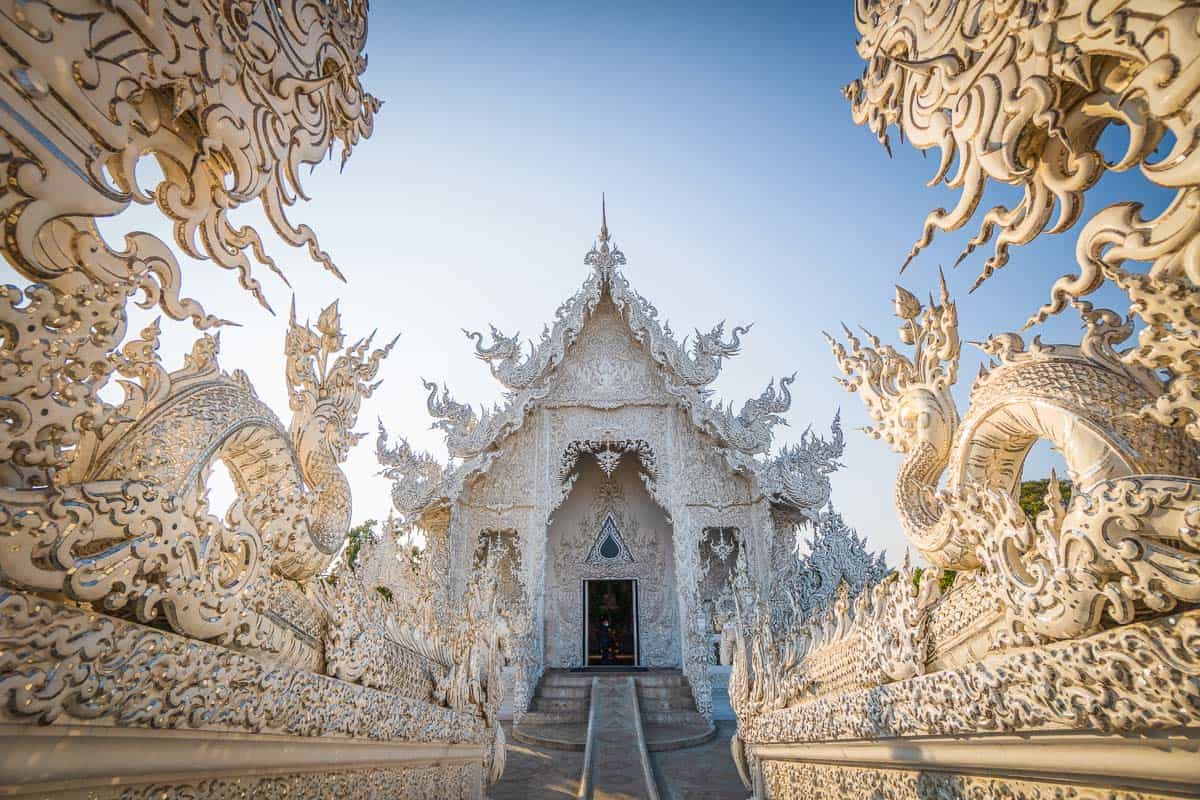
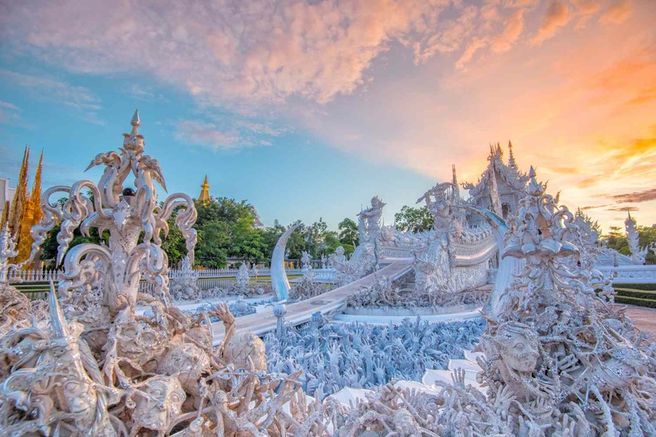
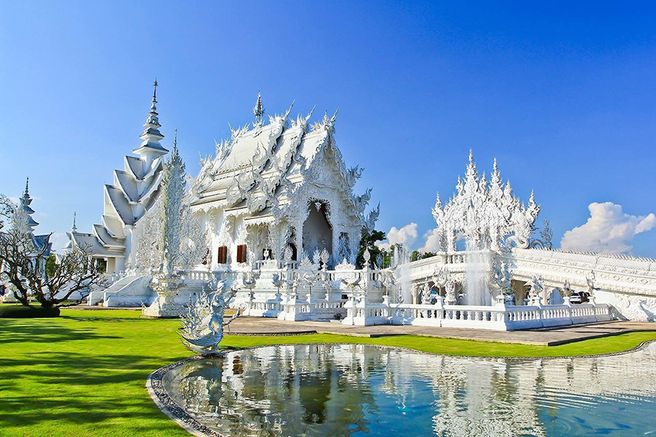
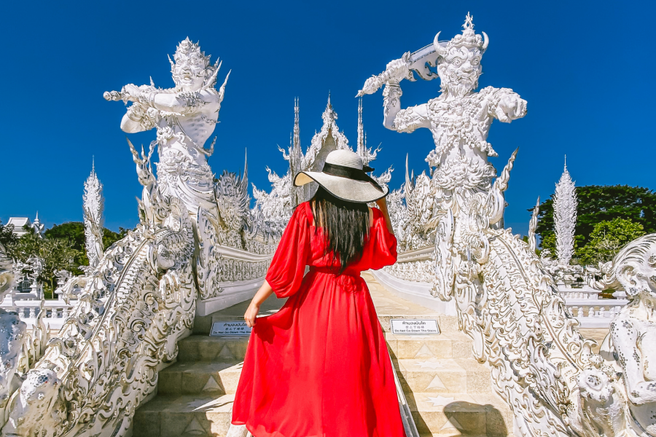
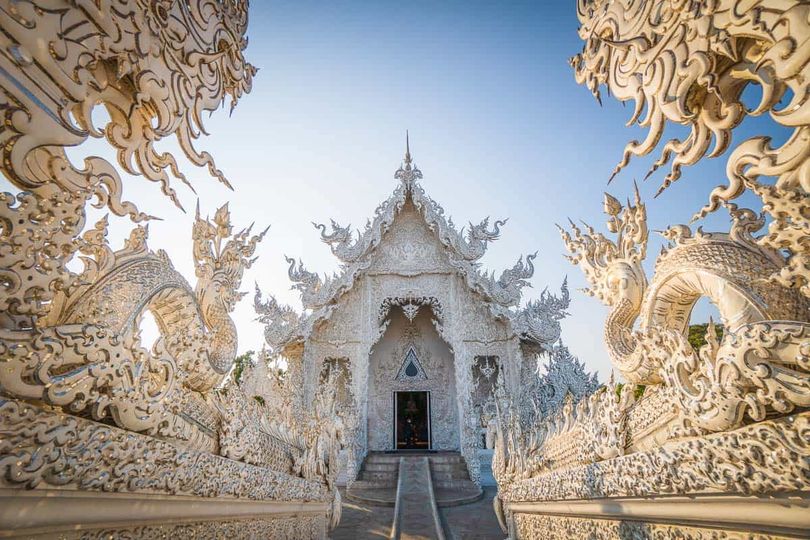
Wat Rong Khun is the magnum opus of National Artist Chalermchai Kositpipat. This ethereal structure, shimmering in blinding white and encrusted with mirrored glass, represents the purity of the Buddha’s wisdom. To reach the main hall, one must cross the "Bridge of the Cycle of Rebirth" over a sea of reaching hands—a haunting depiction of desire and hell. Inside, the narrative takes a surprising turn with murals blending traditional Buddhist motifs with icons of modern pop culture, creating a fascinating bridge between the ancient and the contemporary.
02. An Ocean of Sacred Serenity: Wat Rong Suea Ten (The Blue Temple)

Designed by a protégé of the White Temple’s creator, Wat Rong Suea Ten is a rhapsody in deep sapphire and cerulean. The "Temple of the Dancing Tiger" captivates the soul with its vibrant, fluid carvings and an atmosphere that feels like being submerged in a divine ocean. The centerpiece—a colossal, brilliant white Buddha—stands in breathtaking contrast against the intricate blue-and-gold walls. Before you leave, be sure to savor the signature blue coconut ice cream, a refreshing treat that mirrors the temple’s iconic hue.
03. The Dark Philosophy of Existence: Baan Dam Museum (The Black House)
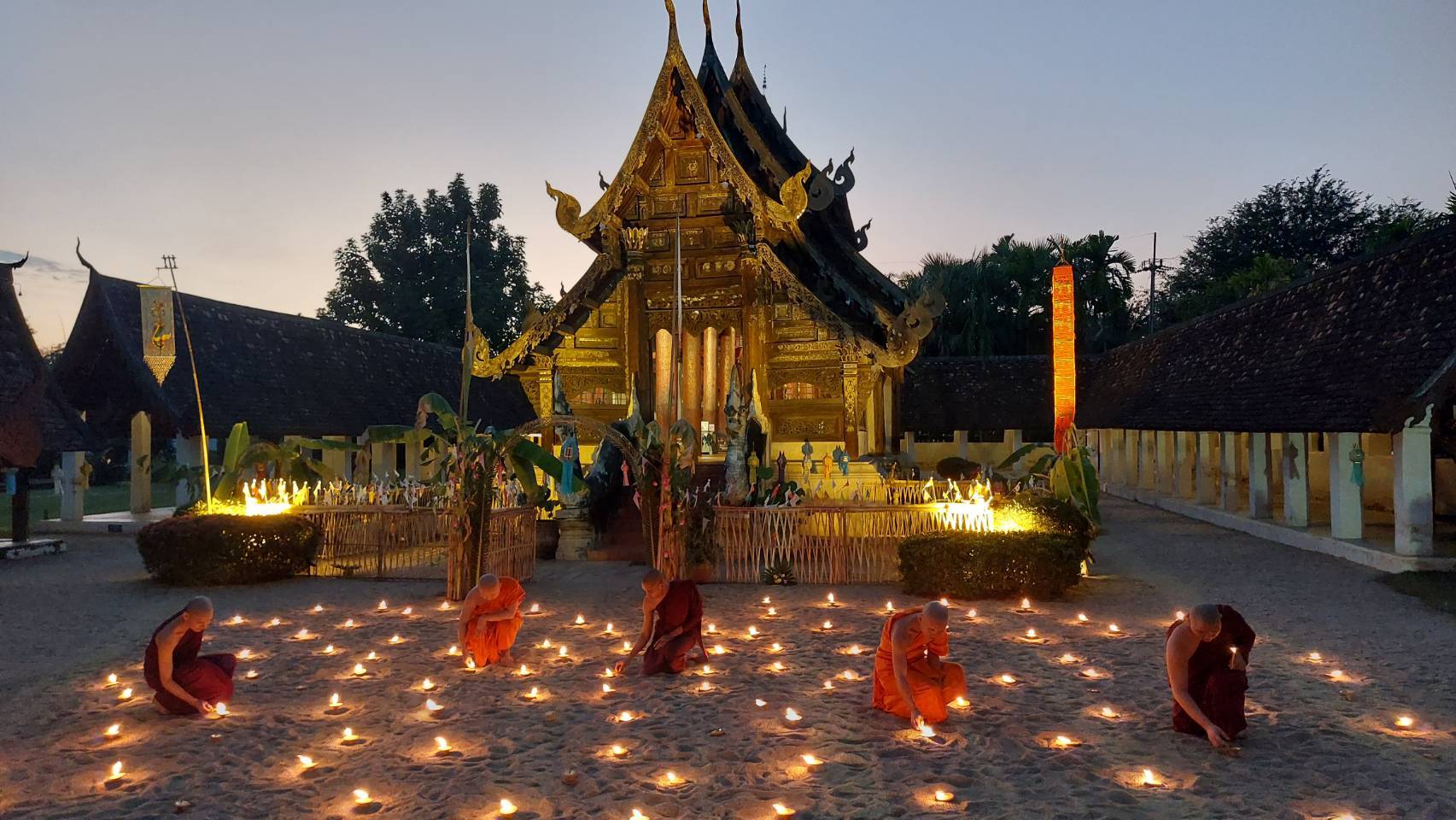
The final act of this artistic trilogy is the Baan Dam Museum, the enigmatic sanctuary of the late Thawan Duchanee. This is the antithesis of the White Temple; a sprawling estate of 40 dark wooden structures nestled in a somber forest. Here, the art is primal and raw—exhibits featuring animal bones, skins, and horns serve as a visceral meditation on the cycle of life, death, and decay. It is a place of profound silence and intellectual stimulation, offering a glimpse into the darker, more introspective side of Thai creative thought.