Pisa Baptistery & Cathedral Ticket + Audio Guide
4.7
29 reviews
US$ 21.31
2026.11.09Directed by Travel Insider Wanda
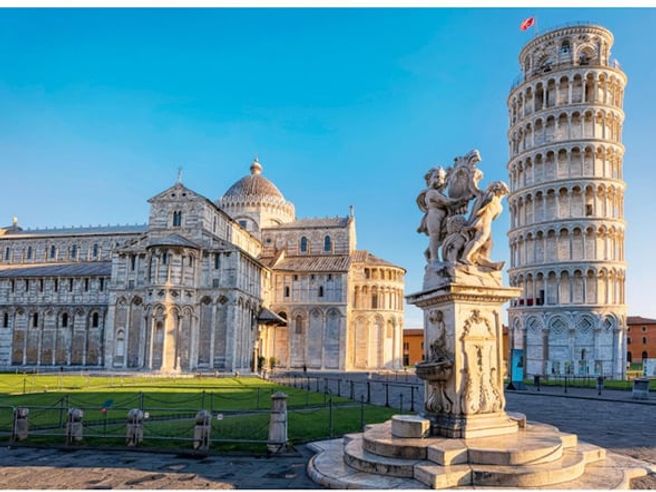
When most people visit Pisa, they head straight for the Leaning Tower. However, the Square of Miracles (Piazza dei Miracoli), where the tower stands, holds even more masterpieces worth exploring.
The Cathedral, Baptistery, bell tower (the Leaning Tower), and the Camposanto monumental cemetery are gathered on a vast lawn. This square was designated a UNESCO World Heritage site in 1987. The buildings, constructed between the 11th and 14th centuries, are considered benchmarks when discussing the Pisan Romanesque architectural style.
If you're a traveler who feels it's a shame to just take photos in front of the Leaning Tower and leave, consider dedicating half a day to fully explore the square's treasures.
The Pisa Cathedral: Gleaming with White Marble Stripes
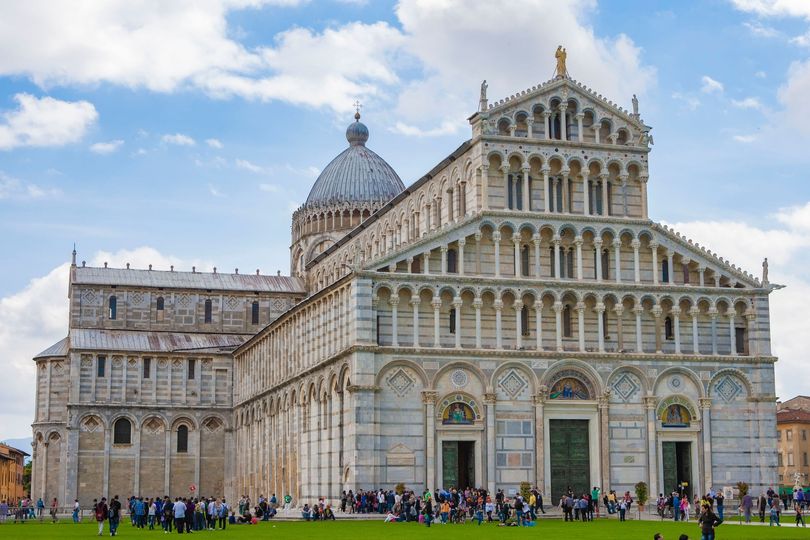
Construction of the Pisa Cathedral began in 1064 and it was consecrated in 1118. Its striking facade features alternating bands of white marble and dark stone. The tiered arcades at the front are most beautiful when viewed from across the lawn.
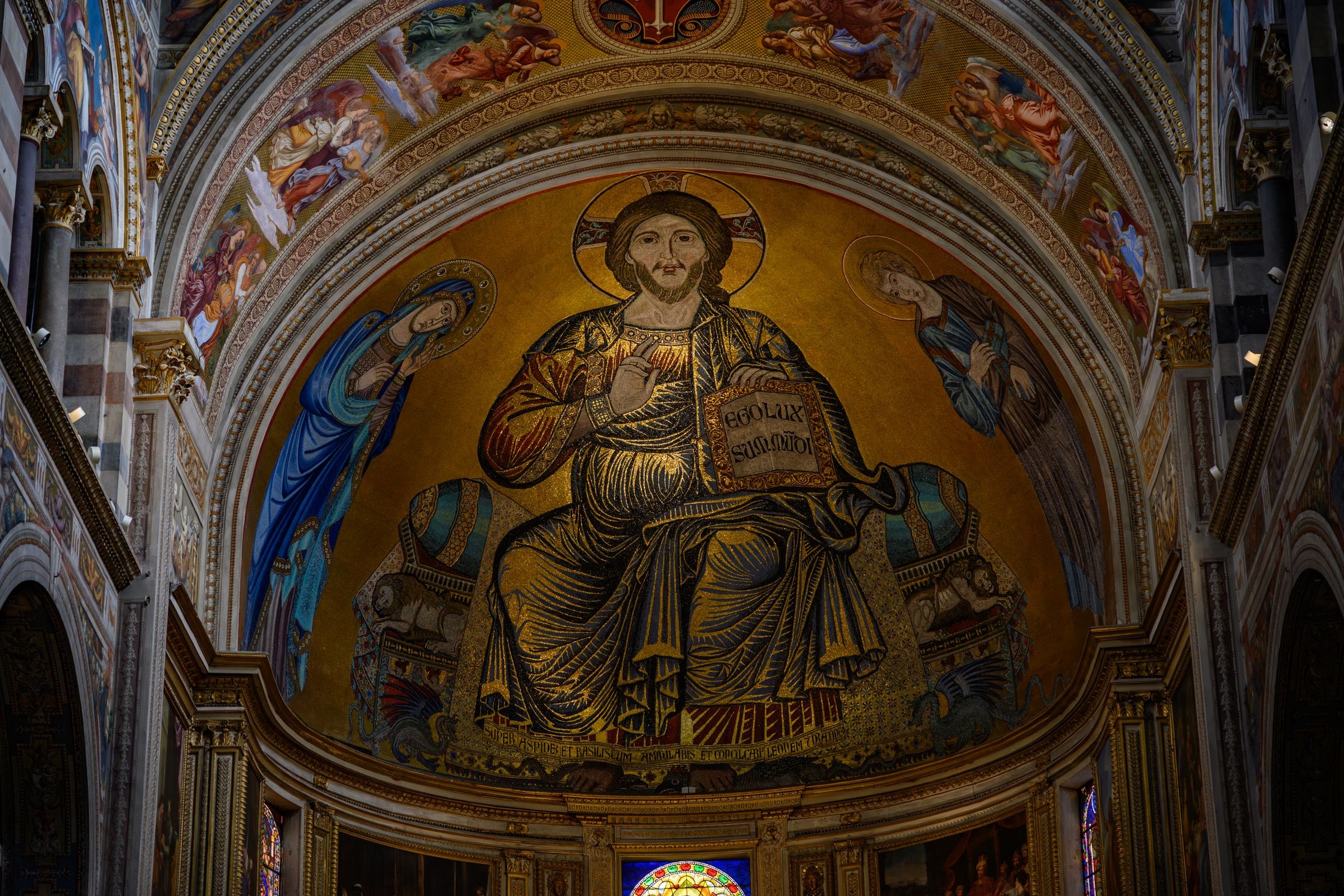
Inside, long rows of monolithic granite columns from the island of Elba stretch out, and a magnificent mosaic of Christ shines from the apse ceiling. Don't miss the pulpit sculpted by Giovanni Pisano between 1302 and 1310.
Legend has it that Galileo Galilei was inspired by the swinging of this cathedral's bronze chandelier to develop his theory on the principle of the pendulum. Please note that viewing areas may be restricted and photography prohibited during mass or special ceremonies. Dressing respectfully for a place of worship is advisable.
The San Giovanni Baptistery: Where Sound Resonates Like Song
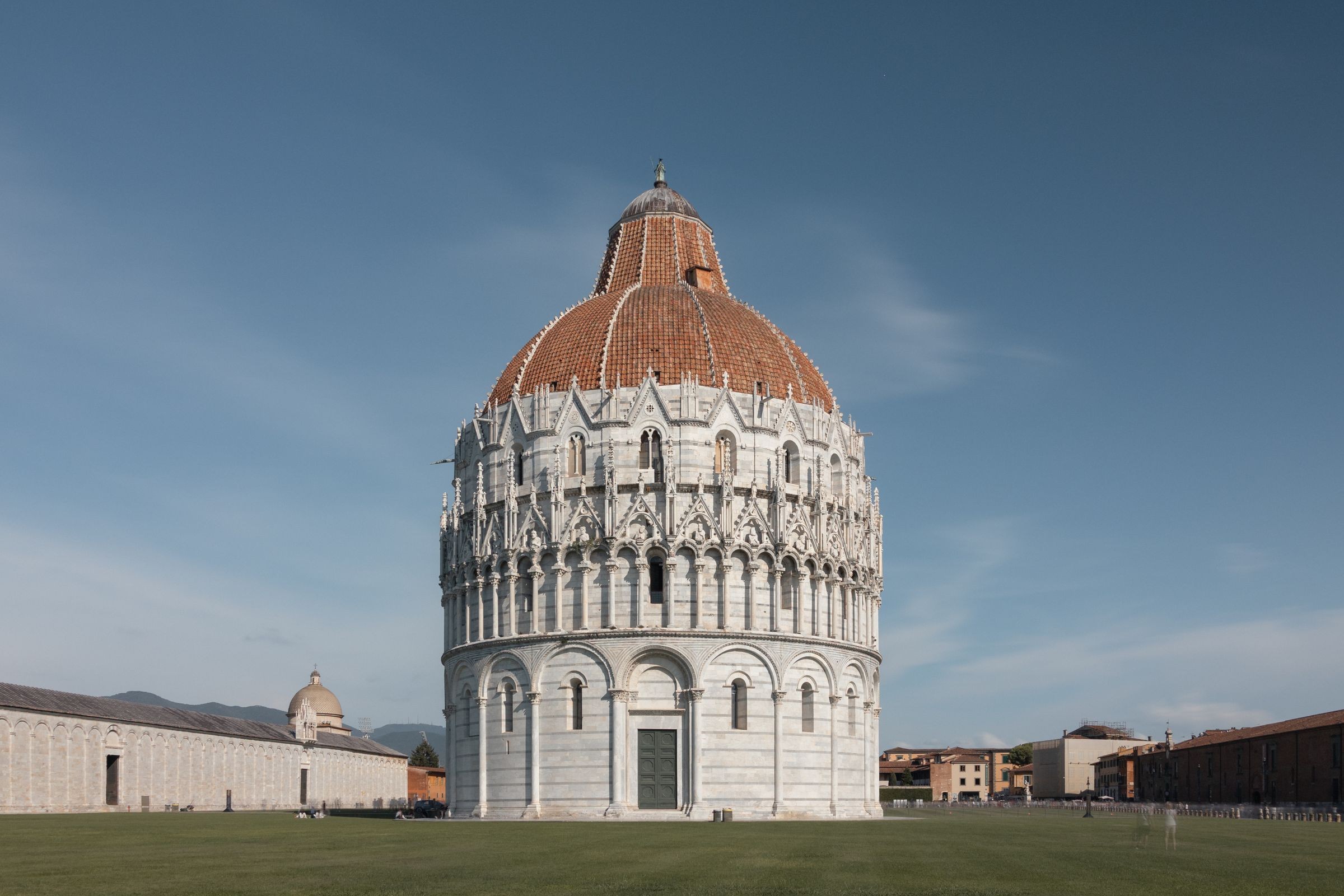
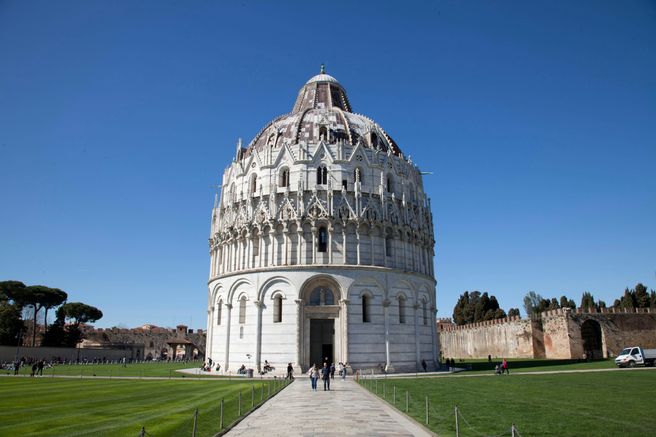
Opposite the Cathedral stands the San Giovanni Baptistery, a circular building whose construction began in 1152. With a circumference of approximately 107 meters and a height of about 55 meters, it is the largest baptistery in Italy.
The lower level features rounded arches, while the upper level is adorned with delicate Gothic decorations, offering a glimpse into the transition between these two architectural styles. The pulpit created by Nicola Pisano in 1260 served as a model for many subsequent pulpits.
Thanks to its double dome structure, even small sounds echo and linger. Staff members sing a few notes every 30 minutes to demonstrate this resonance, so try to time your visit accordingly.
Exploring the Camposanto and the Museum of Sinopie
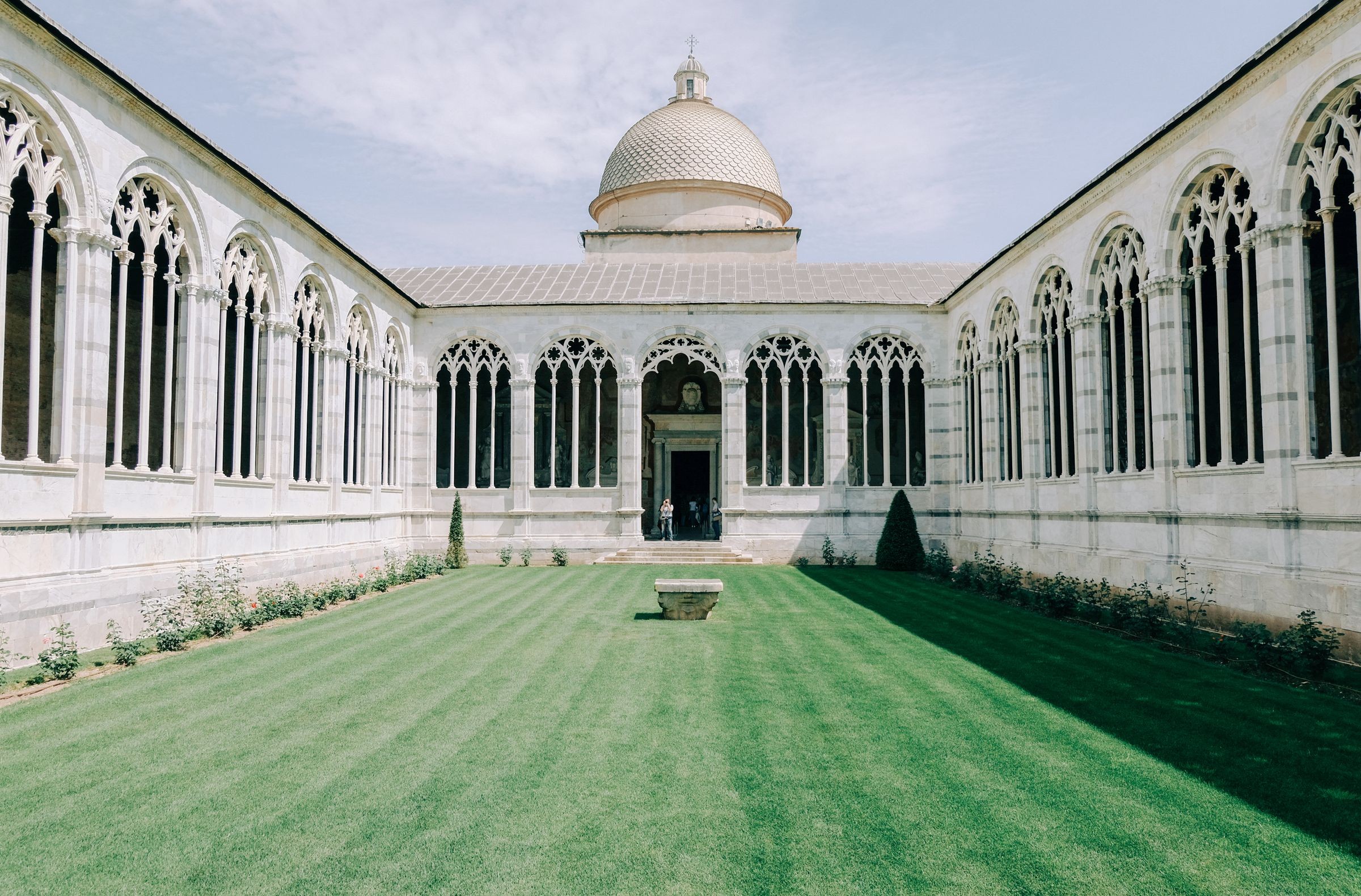
The Camposanto, which stretches along the northern side of the square, was built in 1277 to consolidate tombs scattered around the Cathedral. The walls of its marble cloister feature surviving frescoes such as Buffalmacco's 'Triumph of Death' and 'The Last Judgment,' alongside Roman-era sarcophagi.
At the Museum of Sinopie, you can get a closer look at the sinopie – the red pigment underdrawings on the walls before the frescoes were painted. Sculptures and sacred objects that once adorned the square's monuments are now housed in the Museo dell'Opera del Duomo.
The accessible areas and whether the Leaning Tower is included can vary depending on your ticket and tour. It’s advisable to check these details in advance. If you wish to discover Pisa's deeper stories beyond the famous tower, take a leisurely walk around the Square of Miracles.