
teamLab Planets TOKYO DMM Admission Ticket
4.9
48 reviews
US$ 8.94
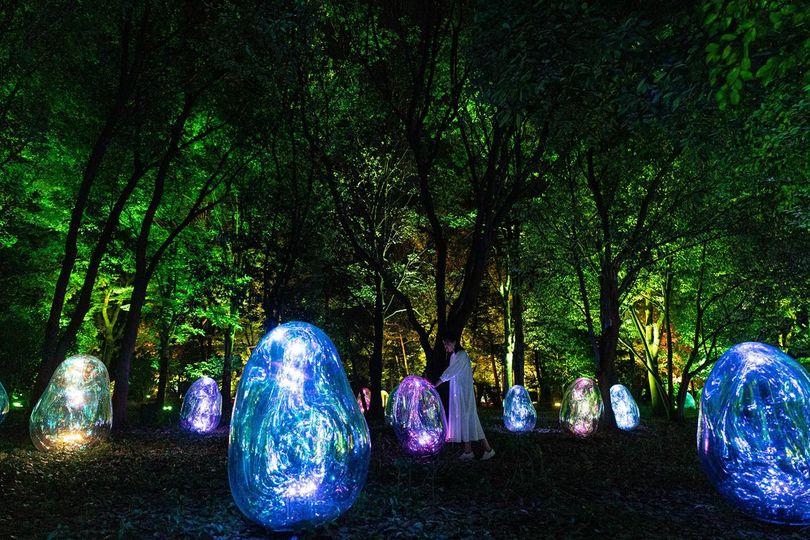
2026.11.18Directed by Travel Insider Jay
Tokyo nights are always dazzling, from the neon signs of Shibuya and the shop windows of Ginza to the illuminated Tokyo Tower. But this winter, why not venture out to encounter a different kind of light?
Nestled amidst the skyscrapers lies an ancient Japanese garden. By day, it's a tranquil scene of ponds and pine trees, but as night falls, it transforms into an artistic space that reacts to light and sound.
From November 25th to December 24th, the art collective teamLab is presenting a special exhibition at Tokyo's Hamarikyu Gardens. Experience how the garden's trees, wind, and even human movement become part of the art.
Where the Shogun's Garden Meets Contemporary Art
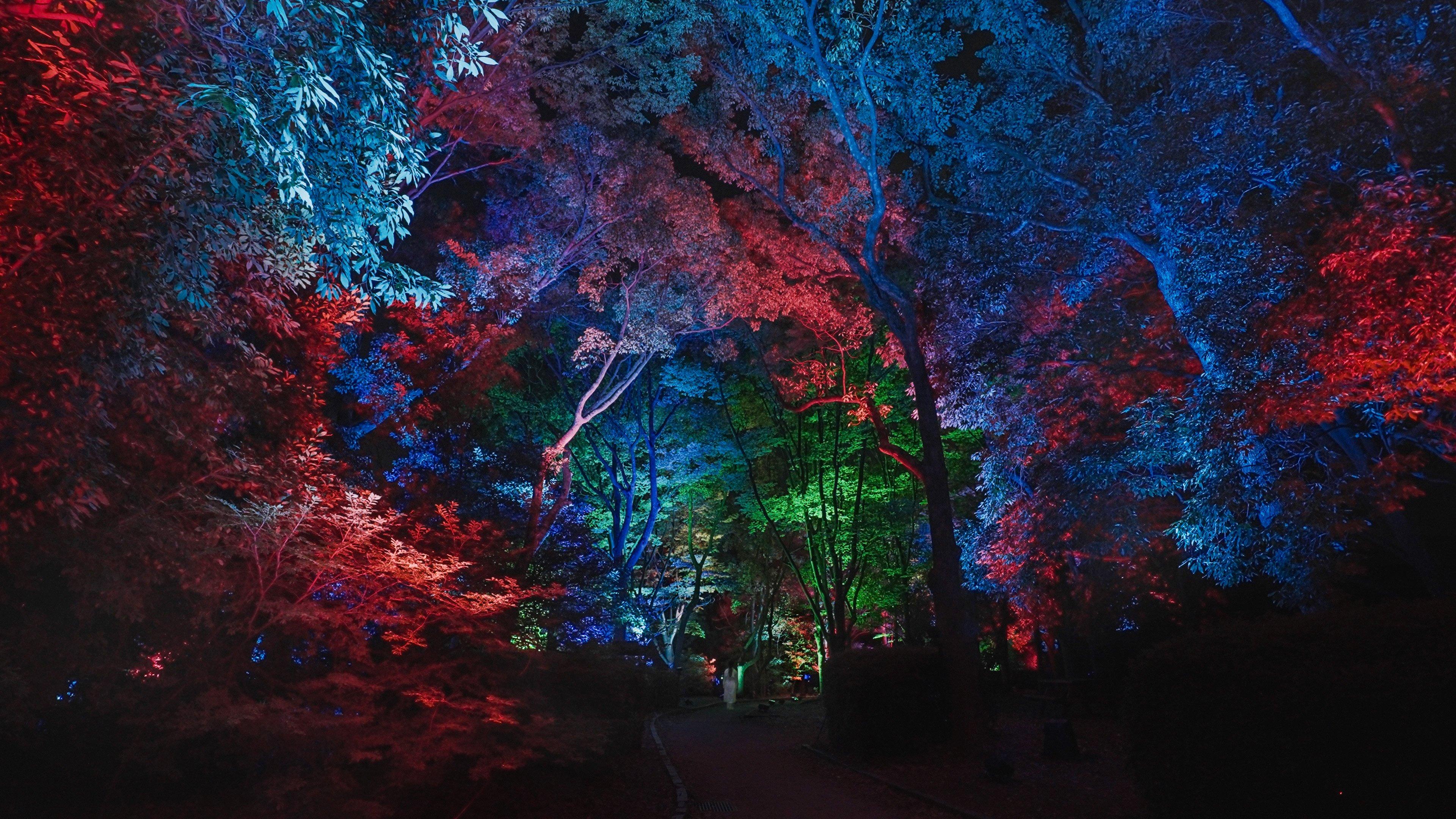
Hamarikyu Gardens is renowned for its tidal ponds, which draw seawater from Tokyo Bay. The 'Shioiri-no-ike' (tidal pond), whose water level and scenery change with the ebb and flow of the tide, is the garden's symbol.
Once a falconry ground for the shogun's family during the Edo period, it later served as a detached palace and garden before being opened to the public in 1946. It's also a historic site designated as a Special Place of Scenic Beauty and a Special Historic Site of Japan.
The fact that teamLab's art is being presented in a garden steeped in such history makes this exhibition particularly special.
Instead of constructing new exhibition spaces, the art utilizes the existing trees, forest paths, and the area around the pond as its stage.
When You Approach, the Trees Respond with Light
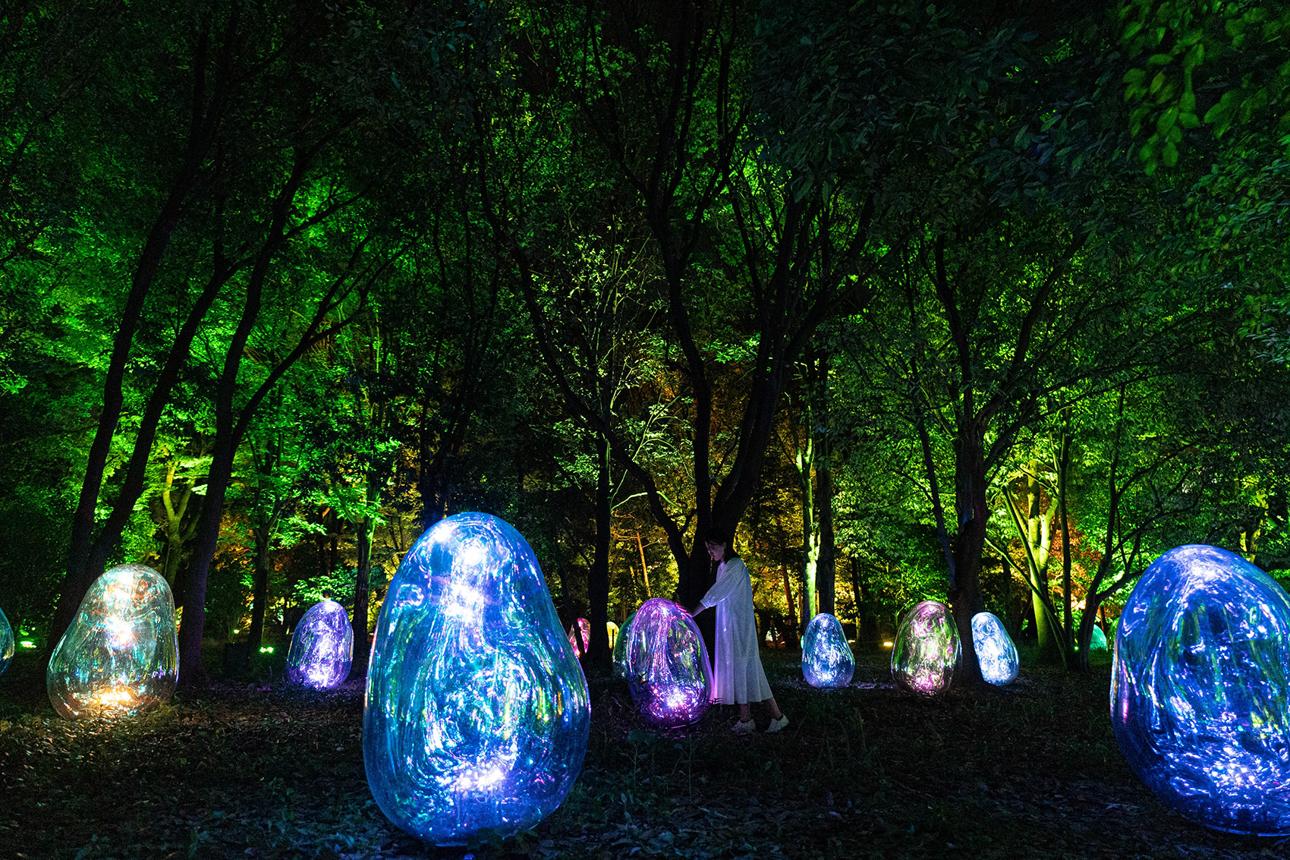
The most striking experience in this exhibition is how visitors aren't just passive observers but active participants who can alter the artwork.
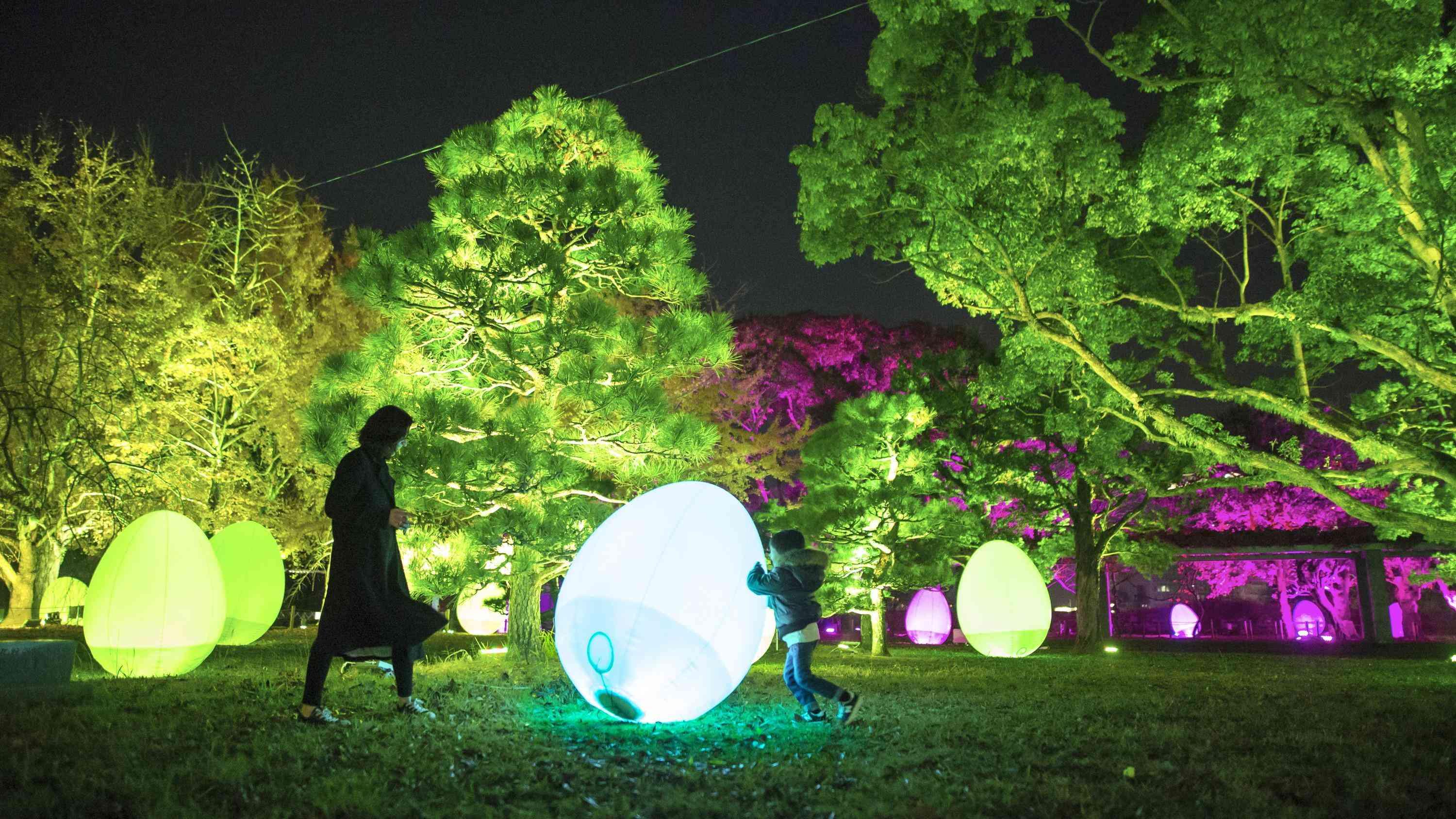
As people approach the trees scattered throughout the garden, they begin to emit light, which then spreads to surrounding trees. It's a scene where the quiet forest slowly awakens in response to someone's movement.
Unlike pre-recorded videos, the light's changes are dynamic. They shift based on the movements of people present in the space at that moment, meaning you might encounter slightly different scenes even when walking the same path.
It's a moment where the ancient trees of the garden briefly become living works of art.
Sculptures of Light That Fall and Rise Again
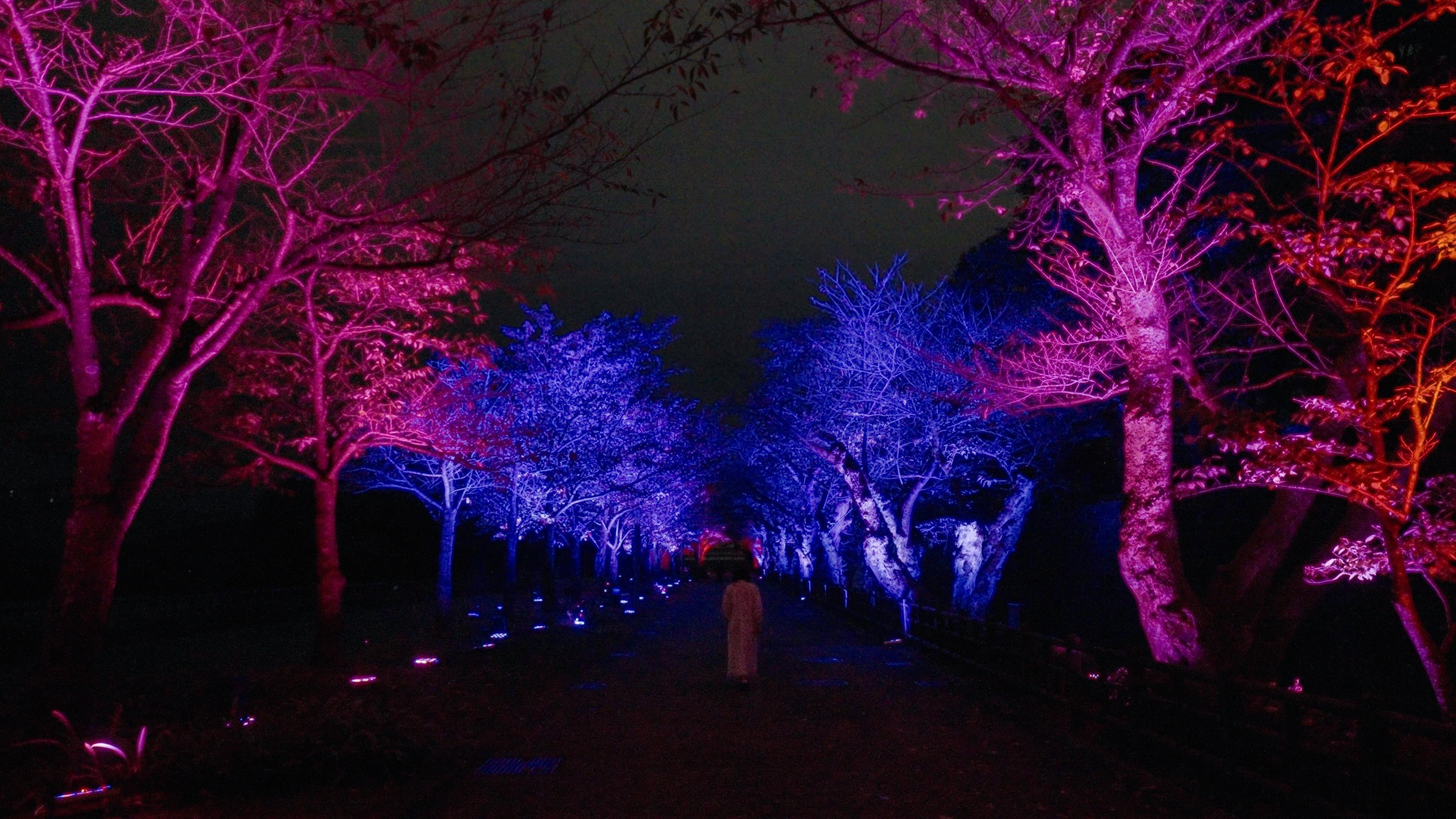
Scattered among the trees are oval-shaped, luminous sculptures.
These artworks emit light and sound when pushed or when they fall due to the wind, only to rise again. Visitors create movement, and the artwork responds to that movement.
Unlike traditional art museums where you passively admire static sculptures, here, the act of approaching the artwork and observing its movements becomes an integral part of the appreciation.
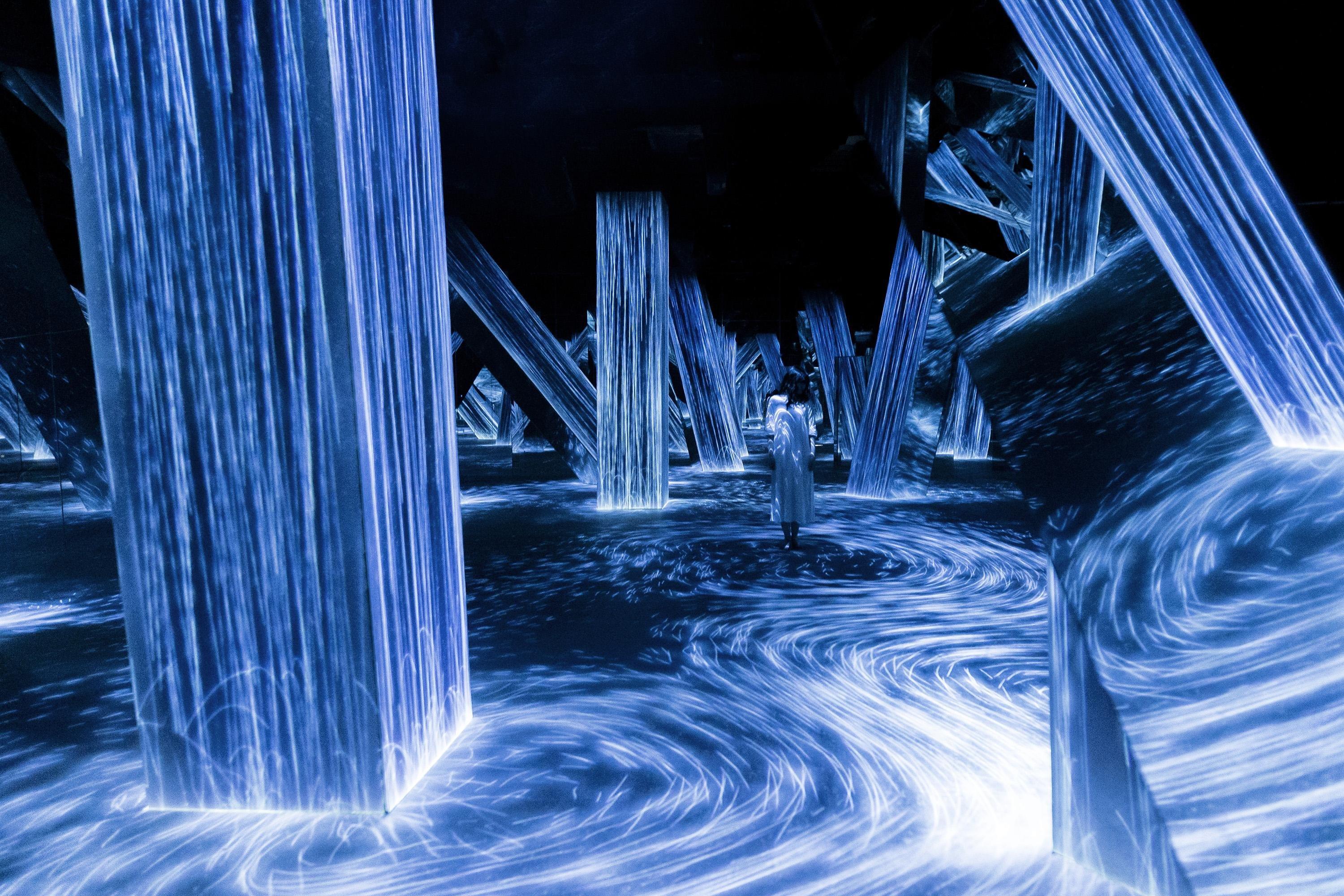
There are also pillars whose height changes with the wind and humidity, allowing you to perceive the invisible changes in nature through light and form.
This exhibition is special not just for its beautiful light displays. It offers a new way to experience the relationship between wind, air, people, and nature – elements we often overlook in our daily lives.
Tokyo's Winter Night: A Quiet, Extraordinary Stroll
This exhibition is a special project of ARTE TOKYO, Tokyo's first cultural and art festival.
As an outdoor exhibition where you encounter art while walking through the garden, it requires different preparations than a typical indoor museum visit.
Visiting hours are from 6:00 PM to 9:15 PM. Since you'll be walking through the garden after sunset, it can be dark, and some paths may be uneven. Comfortable sneakers are recommended over high heels.
It's conveniently located not far from Ginza and Shinbashi, making it easy to plan a visit before or after dinner. However, entry is by reservation only with designated dates and times; on-site ticket sales are not available, so booking in advance is essential.
Tokyo's Other Night, Visible for Just One Month
There are several ways to experience teamLab in Tokyo. However, encountering light art within a centuries-old Japanese garden offers a unique perspective.
It's a night where the garden's trees, the wind, and the footsteps of visitors all become one with the artwork.
This is a scene that unfolds for just one month, from November 25th until Christmas Eve, December 24th.
If you're planning a trip to Tokyo this winter, set aside an evening for Hamarikyu Gardens.
You'll discover a winter night that will linger long in your memory, entirely different from the city's vibrant lights.


