[Exclusive Discount] Sendai Departure: Ginzan Onsen + Yamadera Day Tour
US$ 90.00
2026.11.20Directed by Travel Insider Peter
Yamagata, in southern Tohoku, is a region of mountains and hot springs. In one trip, you can visit a temple on a cliff, a lake formed by a volcano, and hot spring towns with an old-time atmosphere.
If it is your first visit, connect Yamagata City with Yamadera, Zao, and Ginzan Onsen. Here are six must-visit places, one by one.
1. Yamadera (Hojusan Risshakuji Temple)
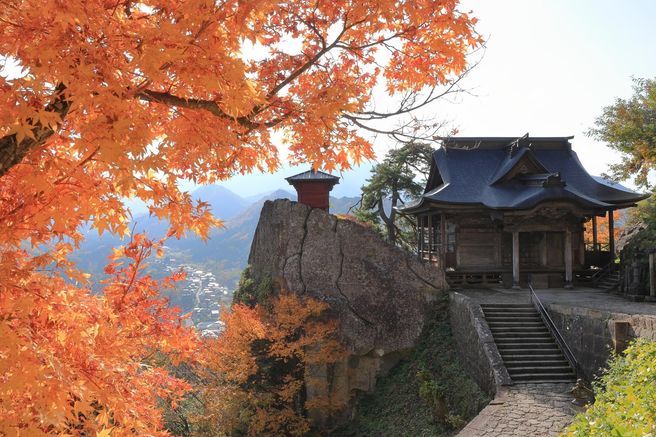
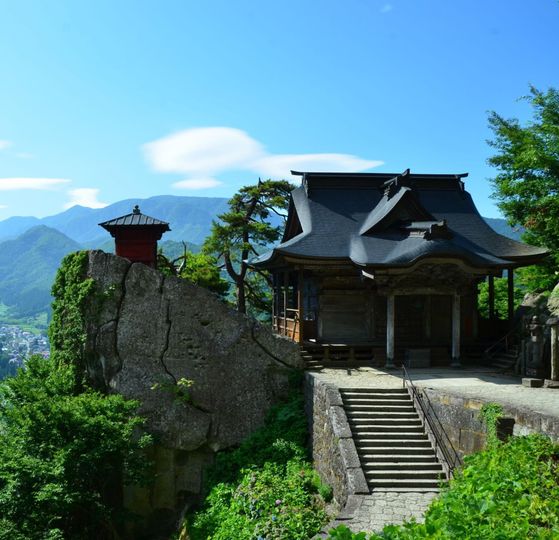
Yamadera’s official name is Hojusan Risshakuji, a temple founded in 860. From the temple gate to the Okunoin (inner sanctuary), 1,015 stone steps lead through a cedar forest.
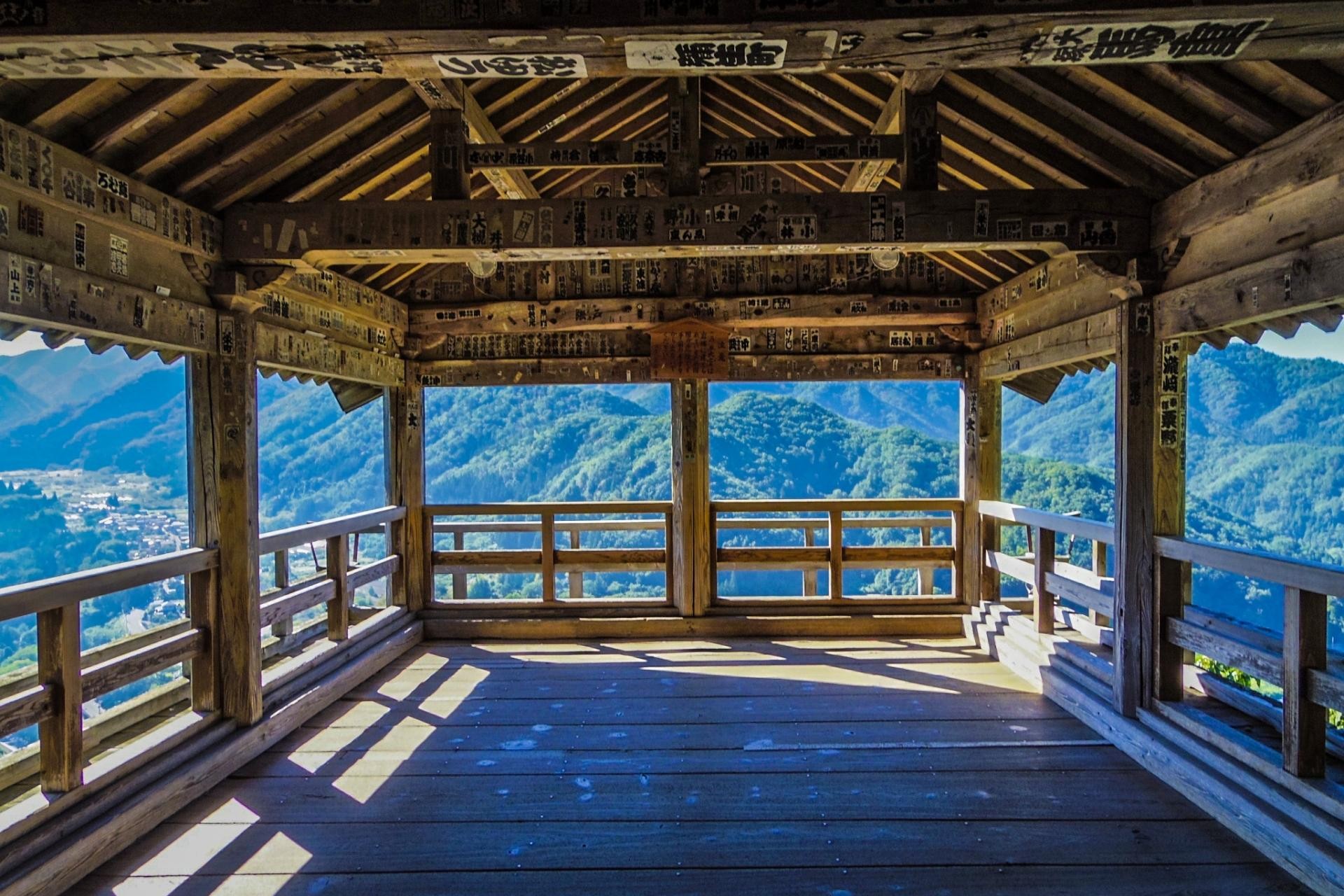
From Godaido Hall, set on the edge of a cliff near the top, you can look out over the valley and the village below. The poet Basho wrote one of his most famous haiku here. The lower temple grounds are about a 7-minute walk from Yamadera Station on the JR Senzan Line.
2. Zao Ropeway
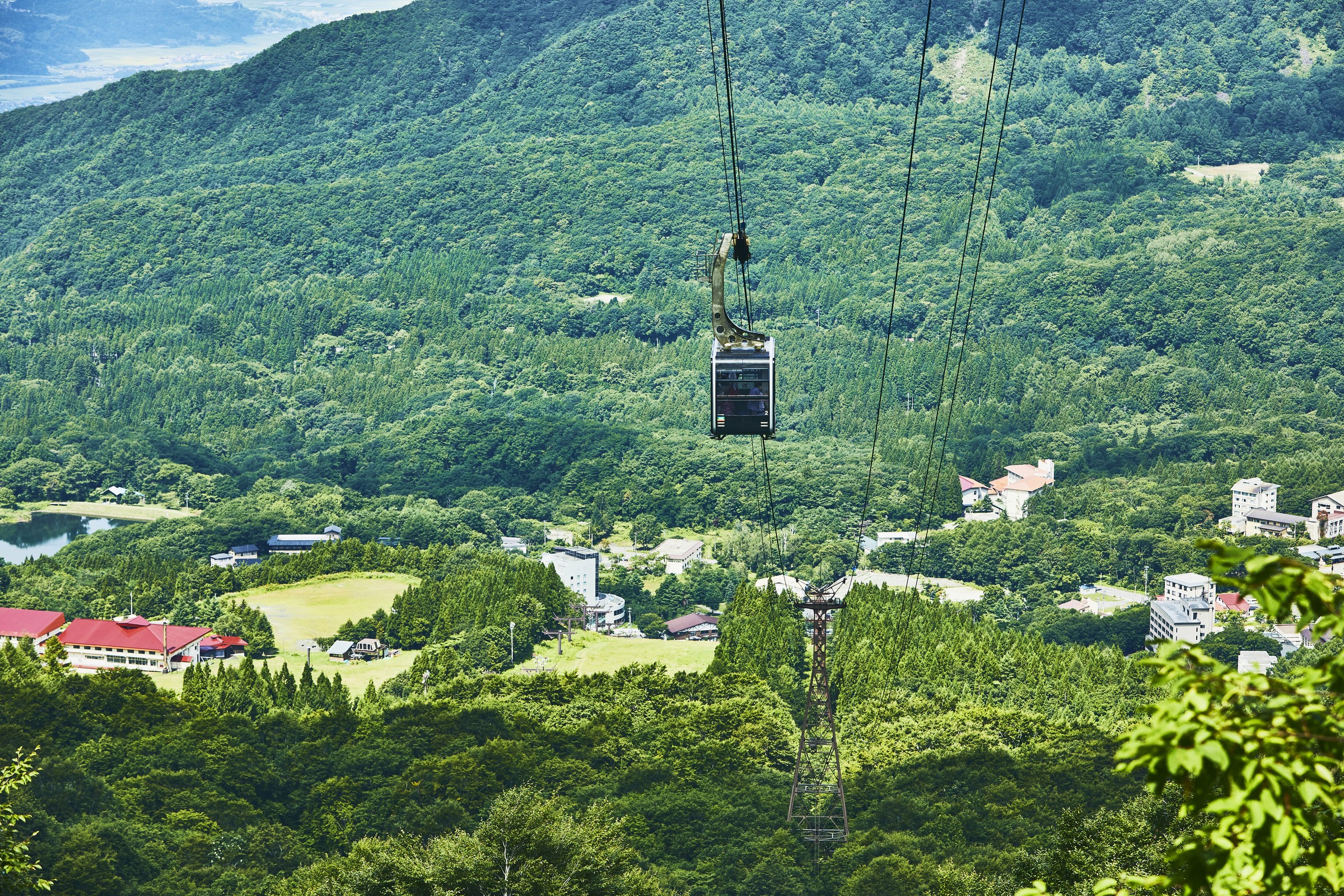
Starting from Zao Onsen, you ride the Sanroku Line and transfer to the Sancho Line to reach Jizo Sancho Station at 1,661 meters above sea level. The Sanroku Line takes about 7 minutes, and the Sancho Line about 10 minutes.
In spring and summer, deep green forests spread out below the windows, and in autumn, the slopes turn to fall colors. In winter, the area is known for its snow monsters, trees covered in snow and ice. Near the summit station stands the Zao Jizo-son statue, built in 1775.
3. Zao Onsen
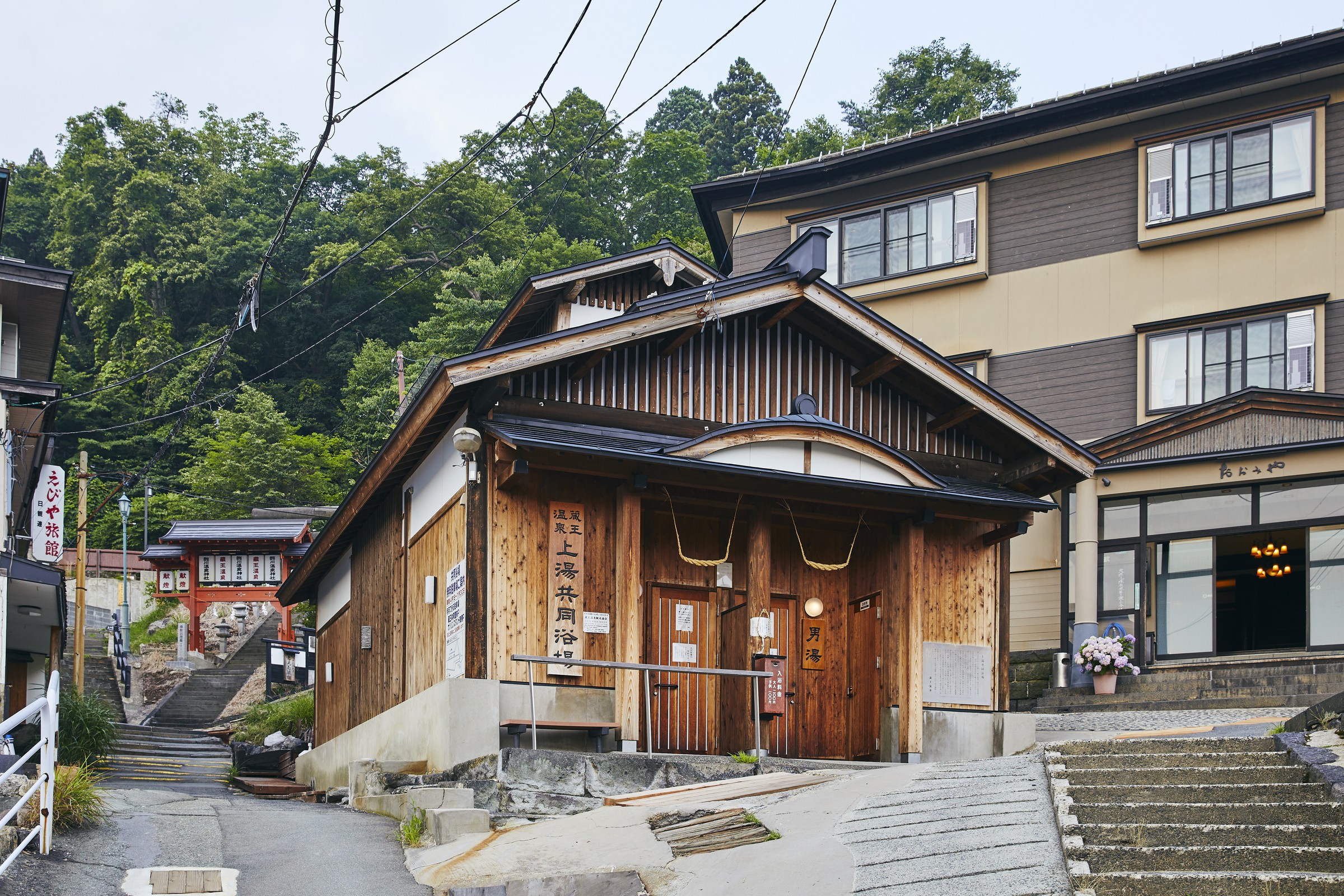
This old hot spring town, said to have been discovered in 110 AD, sits on a mountainside about 800 meters above sea level. Its strongly acidic water, among the most acidic in Japan, flows in abundance.
The town has public bathhouses such as Kamiyu, so it is easy to enjoy the atmosphere while strolling the hot spring streets. Zao Onsen is about 40 minutes by bus from Yamagata Station.
4. Okama (Zao Crater Lake)
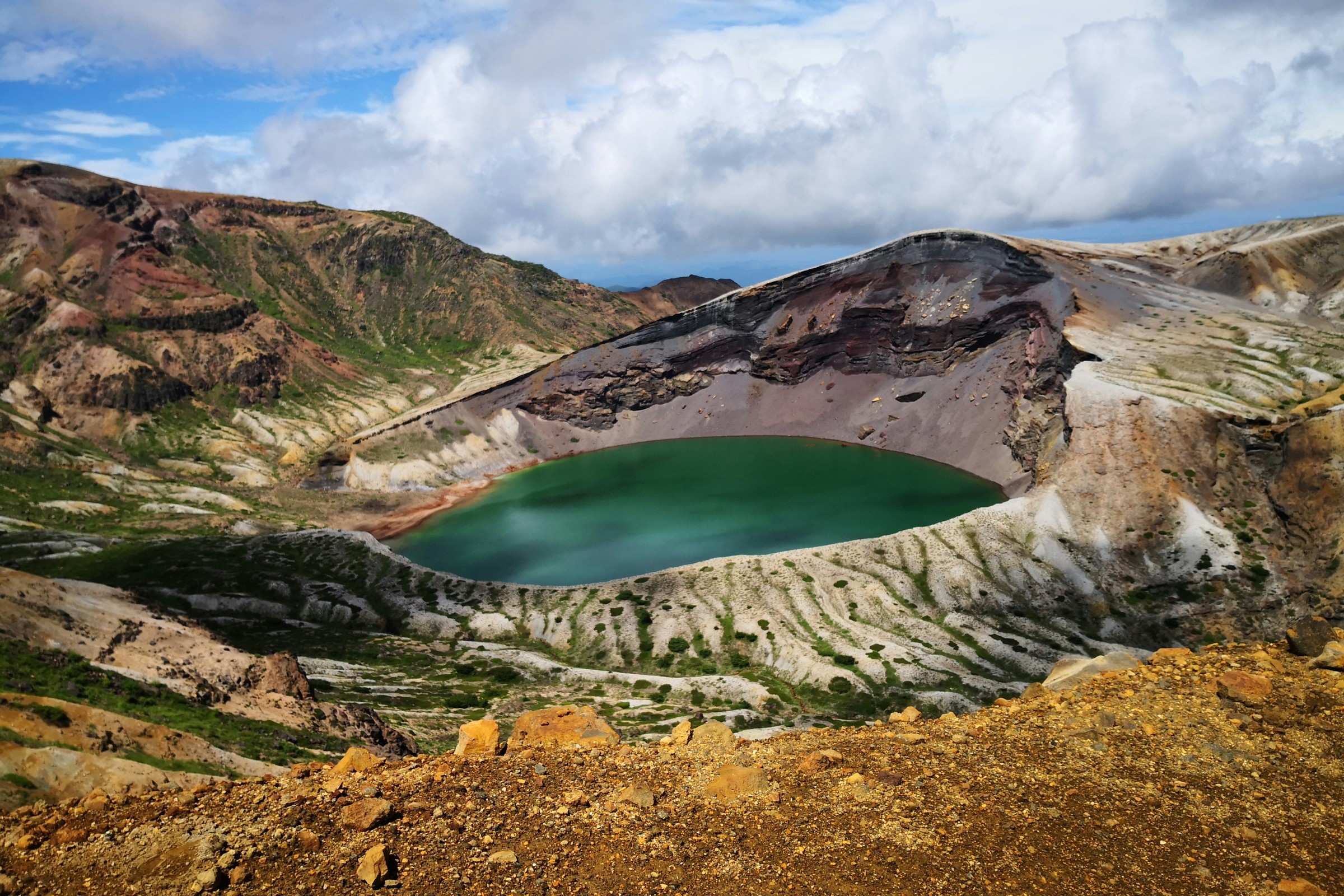
Okama is a crater lake at the top of the Zao mountain range, on the border of Miyagi and Yamagata prefectures, surrounded by three peaks: Kattadake, Kumanodake, and Goshikidake. Its name comes from its cauldron-like shape.
Its water changes between deep green and blue depending on the sunlight, which is why it is also called Goshikinuma (Five-Colored Lake). Drive along the Zao Echo Line and Zao High Line to the parking lot near the summit, then walk a short way to the viewpoint. As these are mountain roads, check when they are open before you visit.
5. Ginzan Onsen
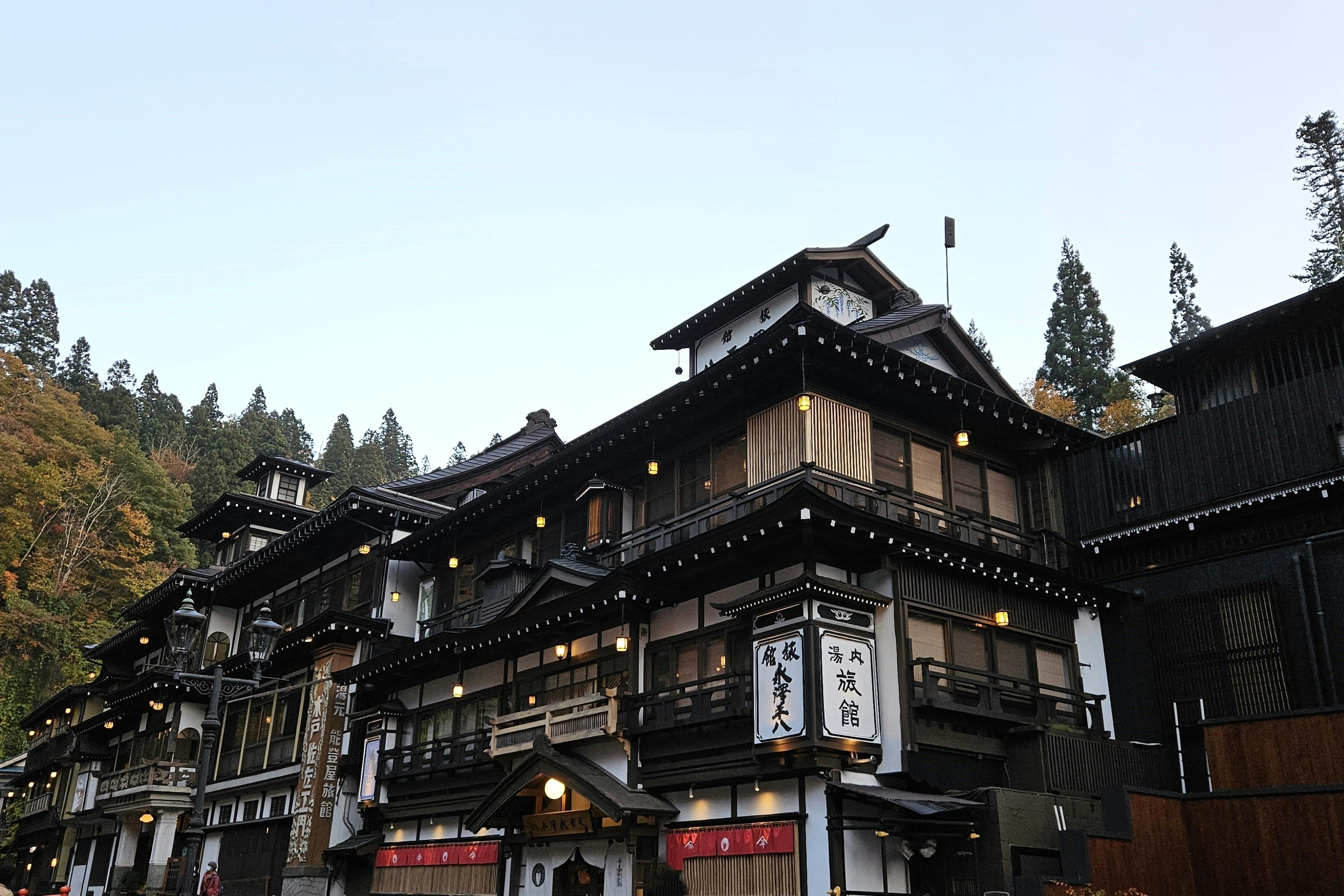
Ginzan Onsen is a hot spring town on the site of a silver mine that prospered in the Edo period. Three- and four-story wooden inns line both banks of the Ginzan River, keeping the atmosphere of the Taisho era.
When the sun goes down, gas lamps light up the street. In the middle of the town, there is also a footbath that uses water straight from the source. It is about 40 minutes by bus from JR Oishida Station.
6. Kajo Park (Yamagata Castle Ruins)
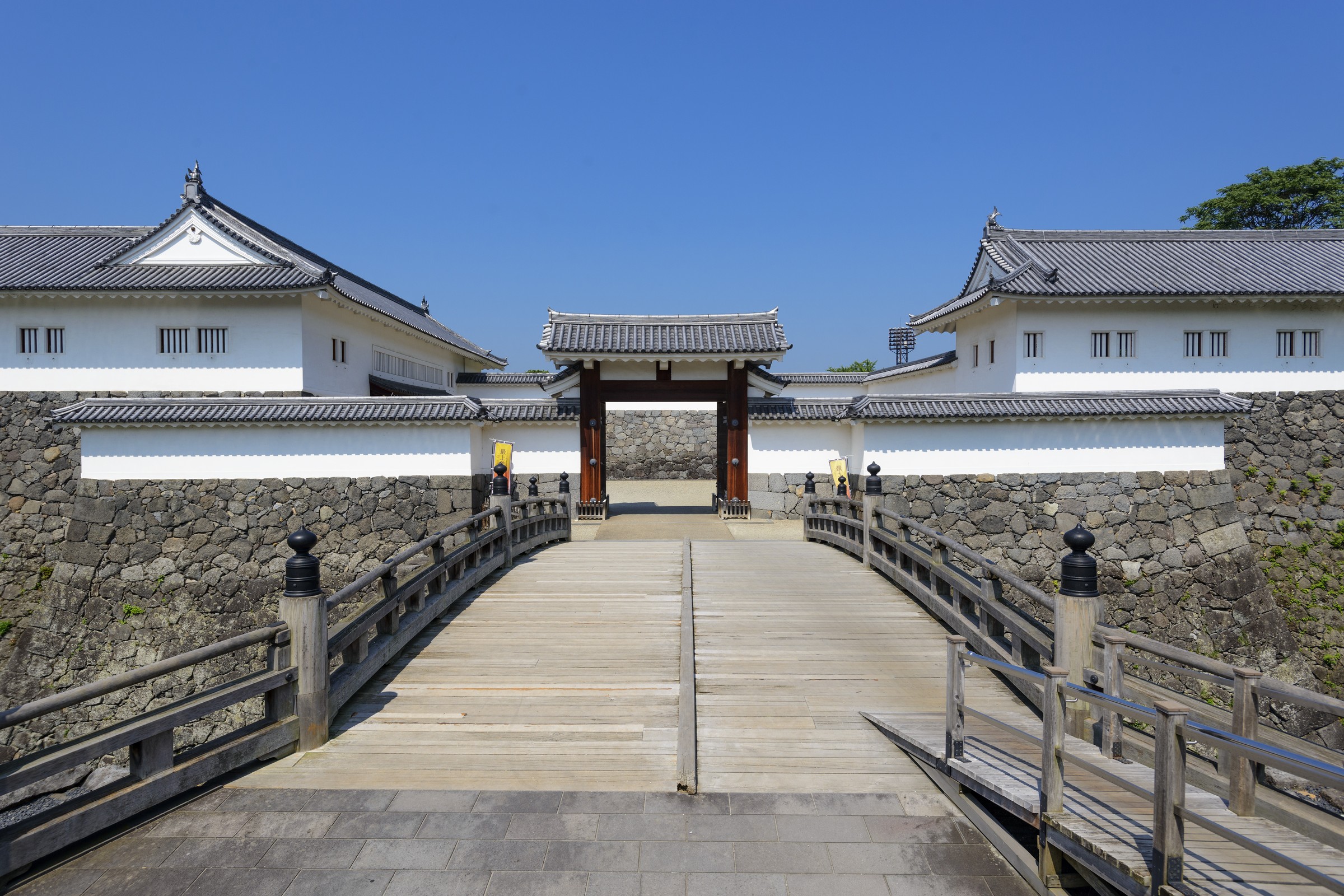
Kajo Park is built on the site of Yamagata Castle, once one of the largest castles in the Tohoku region. The moats and stone walls remain, and the restored Higashi Otemon Gate shows the former scale of the castle.
An equestrian statue of Mogami Yoshiaki, who ruled Yamagata, also stands on the castle grounds. It is about a 15-minute walk from Yamagata Station, so it is easy to visit on the first or last day of your trip. Follow the mountain temple, the crater lake, and the hot spring towns to start your Yamagata trip.