Toyama Kenrokuen Garden Entrance Ticket
US$ 0.64
2026.11.20Directed by Travel Insider Peter
Kanazawa in Ishikawa Prefecture grew as the castle town of the Maeda family, rulers of the Kaga Domain in the Edo period. Its garden, castle and old teahouse streets sit close to the city center, so they are easy to explore on foot.
Neighboring Toyama Prefecture is home to the Northern Alps with peaks around 3,000 m, a deep gorge and World Heritage villages of gassho-style houses. Here are seven places first-time visitors should not miss: four in Kanazawa and three among Toyama's mountains, gorge and villages.
1. Kenrokuen Garden
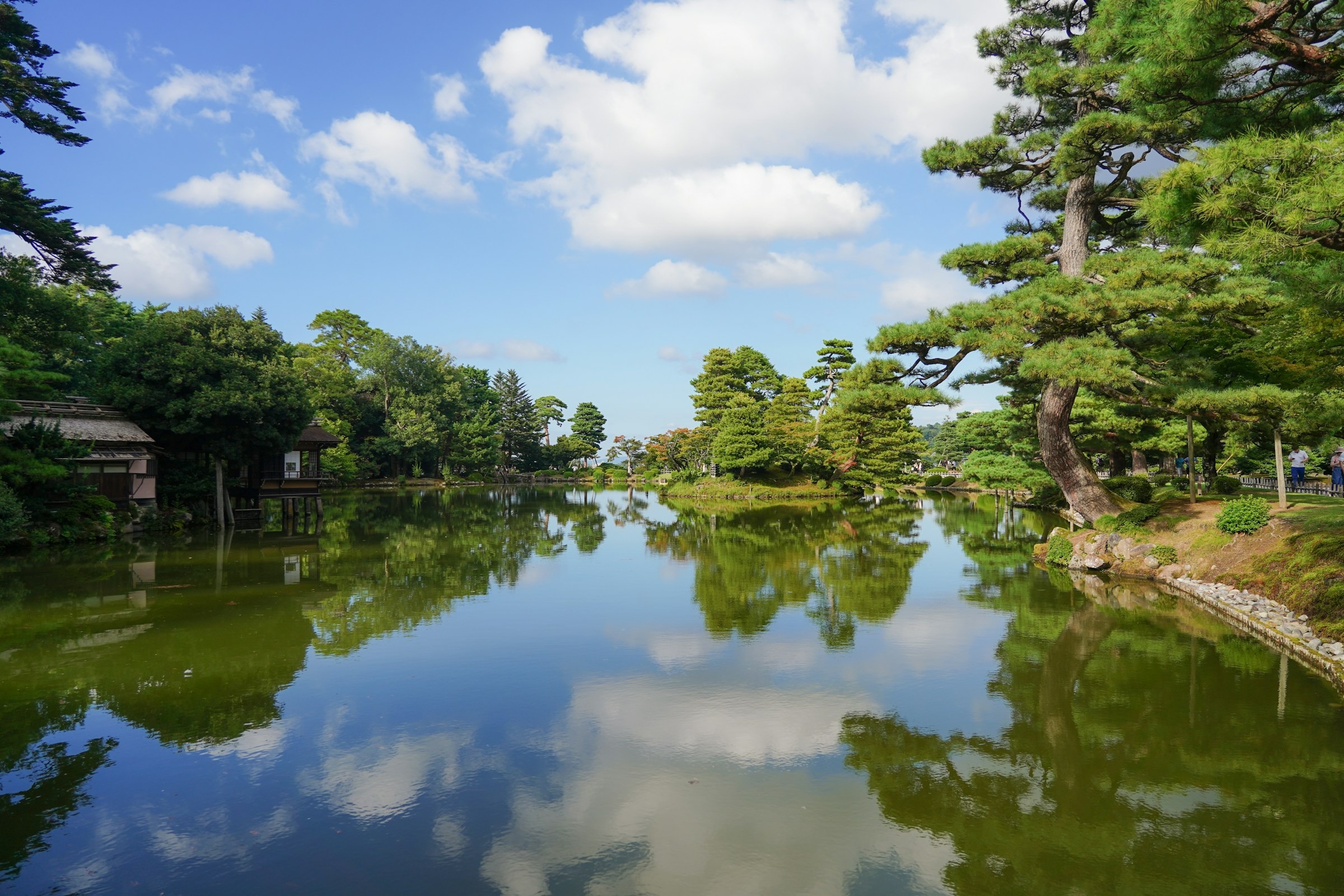
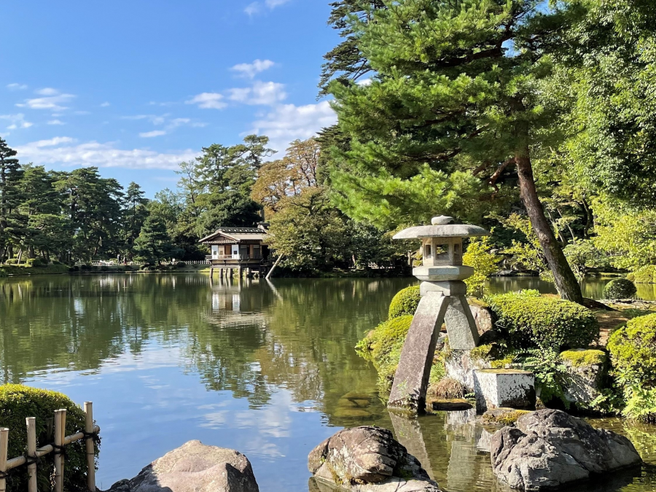
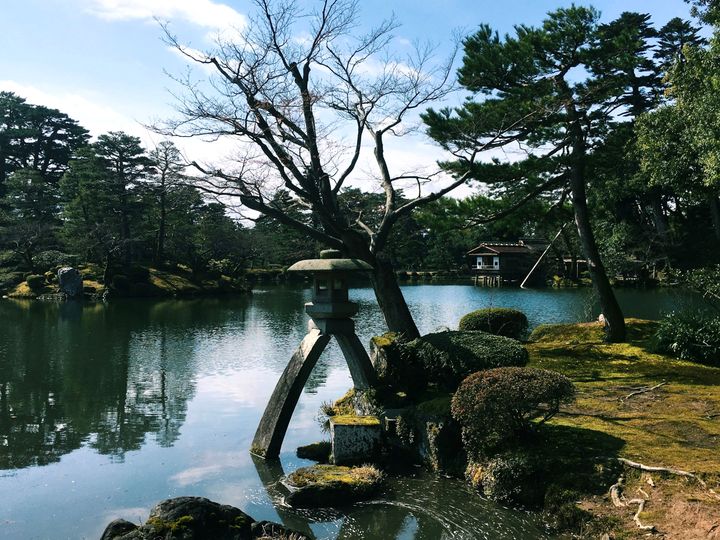
Kenrokuen is a strolling garden counted among Japan's three great gardens, together with Kairakuen in Mito and Korakuen in Okayama. Shaped by generations of Kaga lords over many years, it takes its name from six qualities it combines: spaciousness, seclusion, human artistry, antiquity, water features and views.
Beside Kasumigaike, the largest pond, stands the Kotoji Lantern, whose two legs differ in length. It is a much-loved symbol of Kenrokuen. Cross the Ishikawa Bridge and you reach Kanazawa Castle Park, so the two are easy to visit together.
2. Kanazawa Castle Park
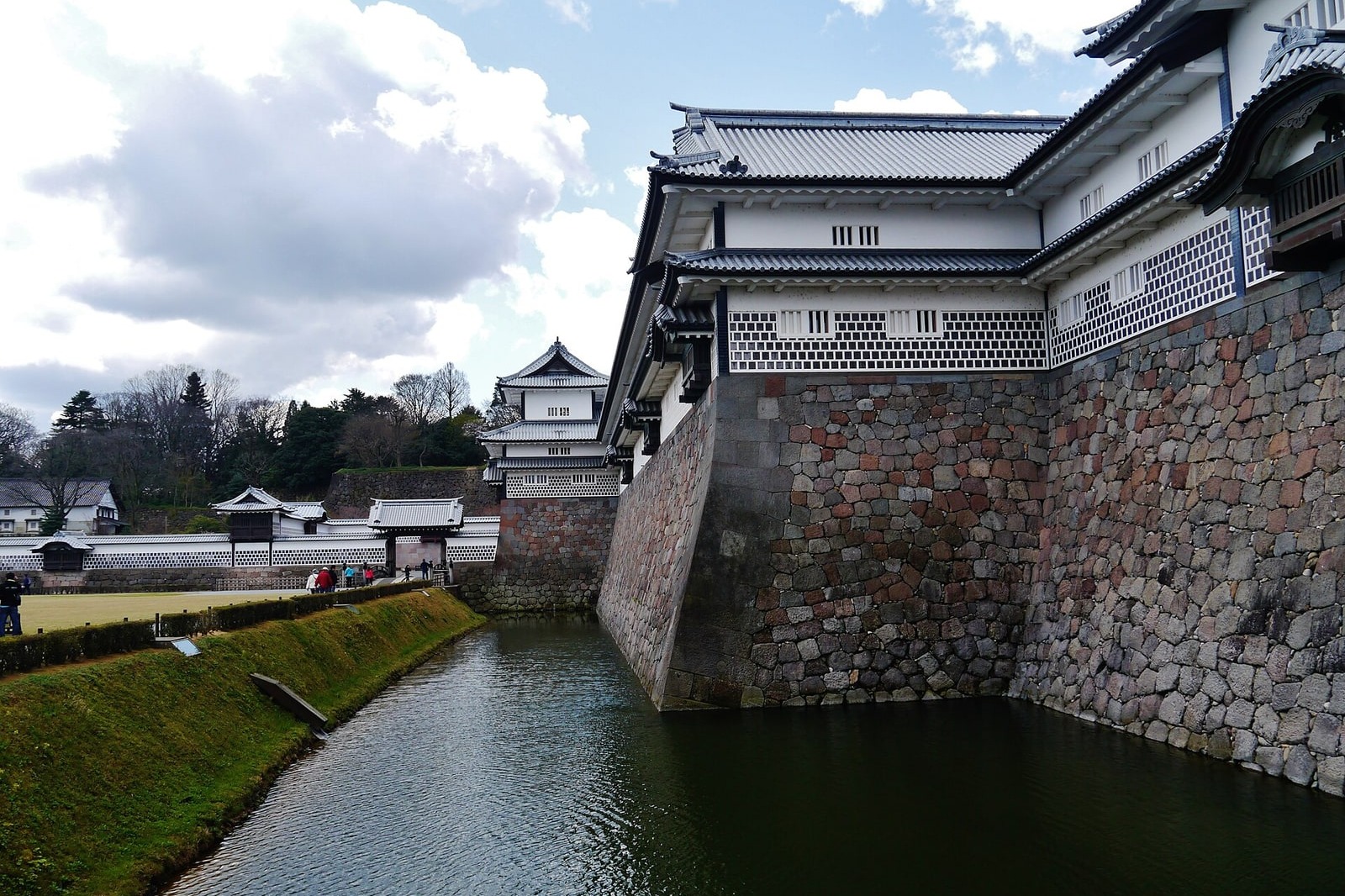
Kanazawa Castle was the residence of the Maeda family of the Kaga Domain, and the whole castle site is now a park. The Ishikawa-mon Gate, rebuilt in 1788, and the Sanjikken Nagaya storehouse are designated Important Cultural Properties.
In 2001, the Hishi Yagura turret, Gojikken Nagaya and Hashizume-mon Tsuzuki Yagura were reconstructed with traditional wooden techniques based on old drawings and photographs. Stone walls built in different styles over the ages have earned the castle the nickname “museum of stone walls.” The park is open every day, and only the interiors of the reconstructed turrets charge admission.
3. Higashi Chaya District
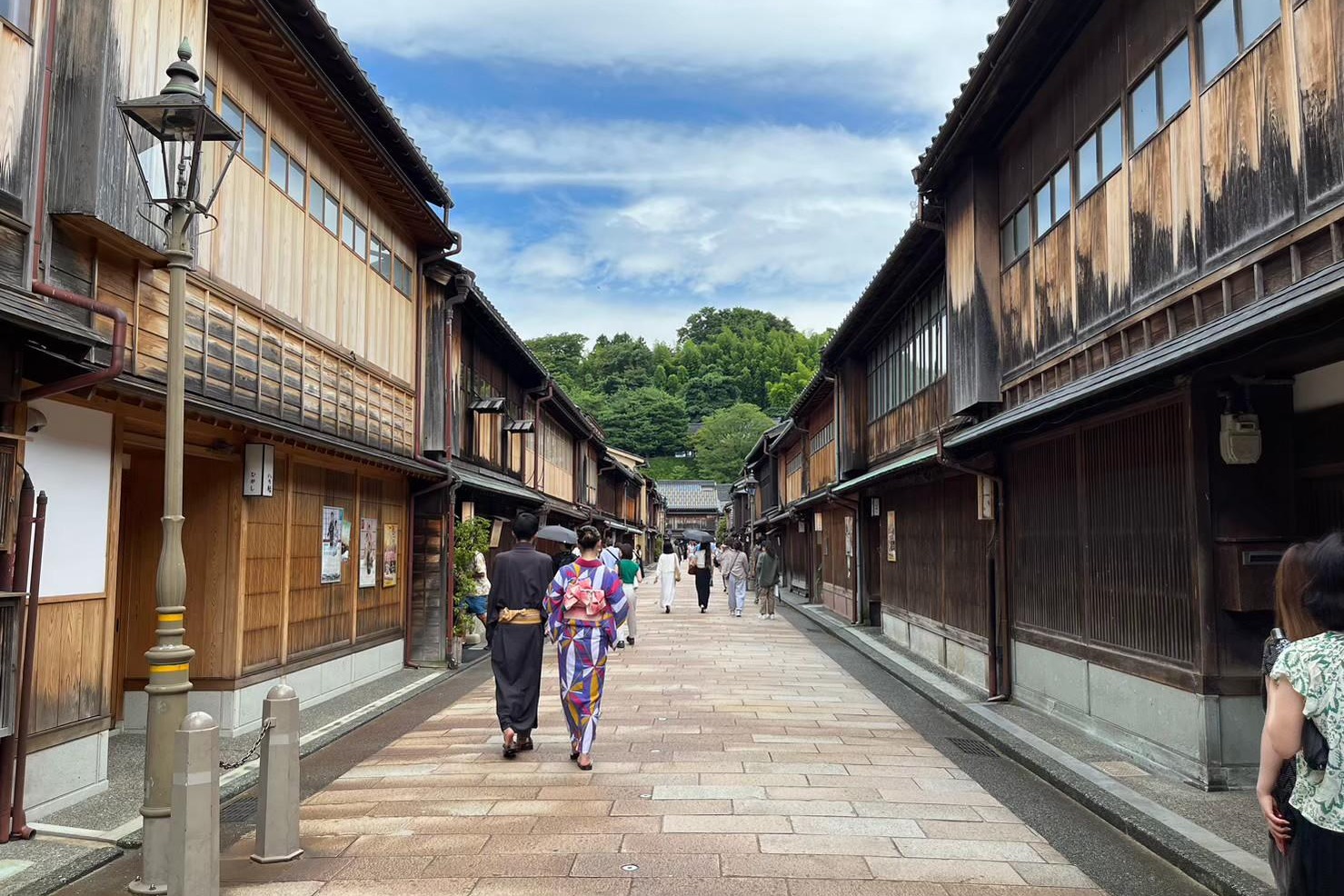
Higashi Chaya District is a teahouse district laid out east of the Asano River in 1820 with permission from the Kaga Domain. In 2001, it was selected as a national Important Preservation District for Groups of Traditional Buildings.
Teahouses with fine latticework called kimusuko on the ground floor and tall second stories line the stone-paved streets. Some, like the old teahouse Shima, are open to visitors, and gold leaf craft shops and cafés make it a pleasant place for a slow walk.
4. 21st Century Museum of Contemporary Art, Kanazawa
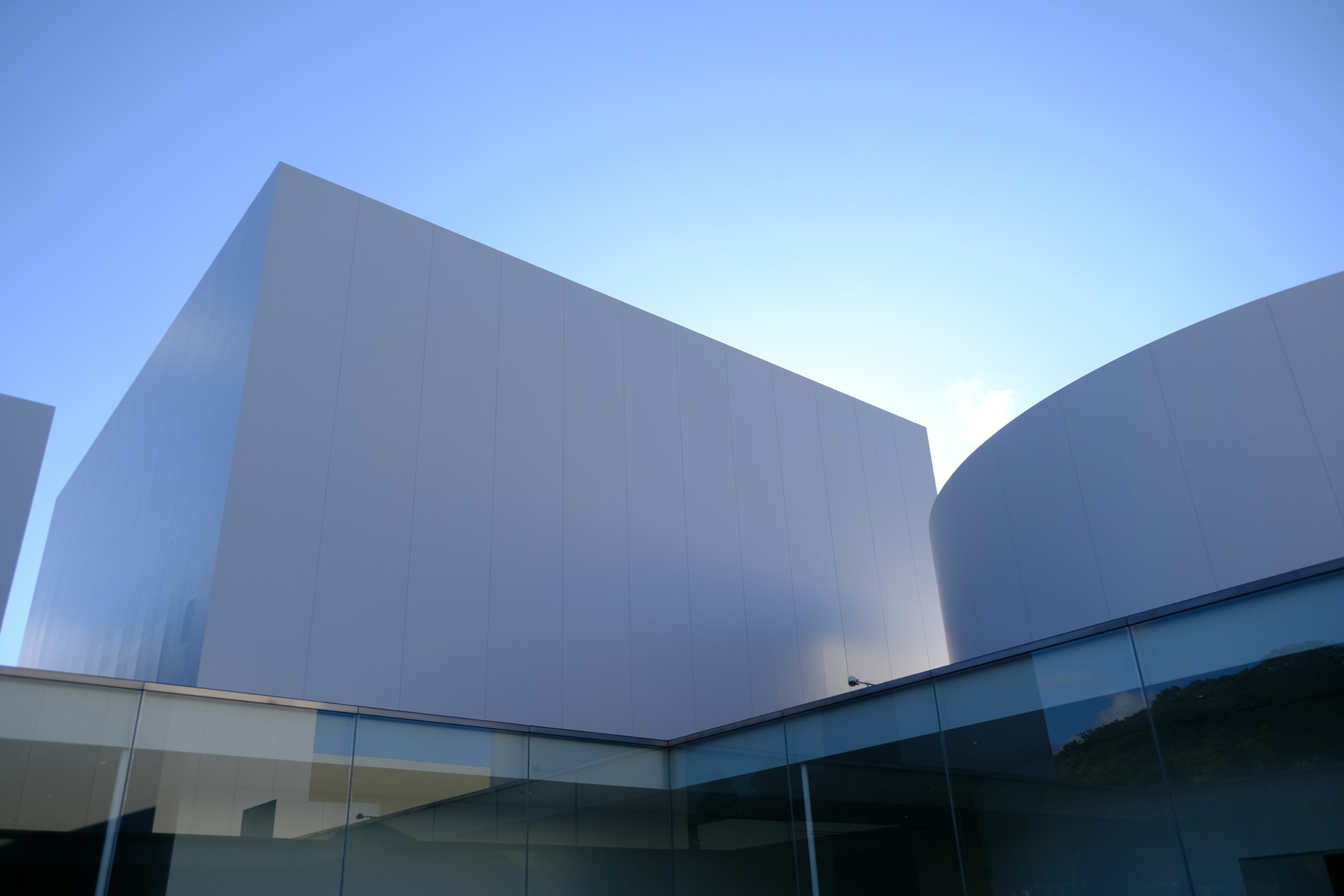
The 21st Century Museum of Contemporary Art, Kanazawa opened in 2004. Designed by SANAA, the architectural firm of Kazuyo Sejima and Ryue Nishizawa, its round glass building has no front or back and reflects the concept of “a museum open to the city like a park.”
The exhibition galleries require tickets, but anyone can walk through the exchange zone around the building and the lawn. It is close to Kenrokuen, so the two pair well. A long-term closure is planned from May 2027 to March 2028 (tentative), so check the official website when planning your visit.
5. Tateyama Kurobe Alpine Route
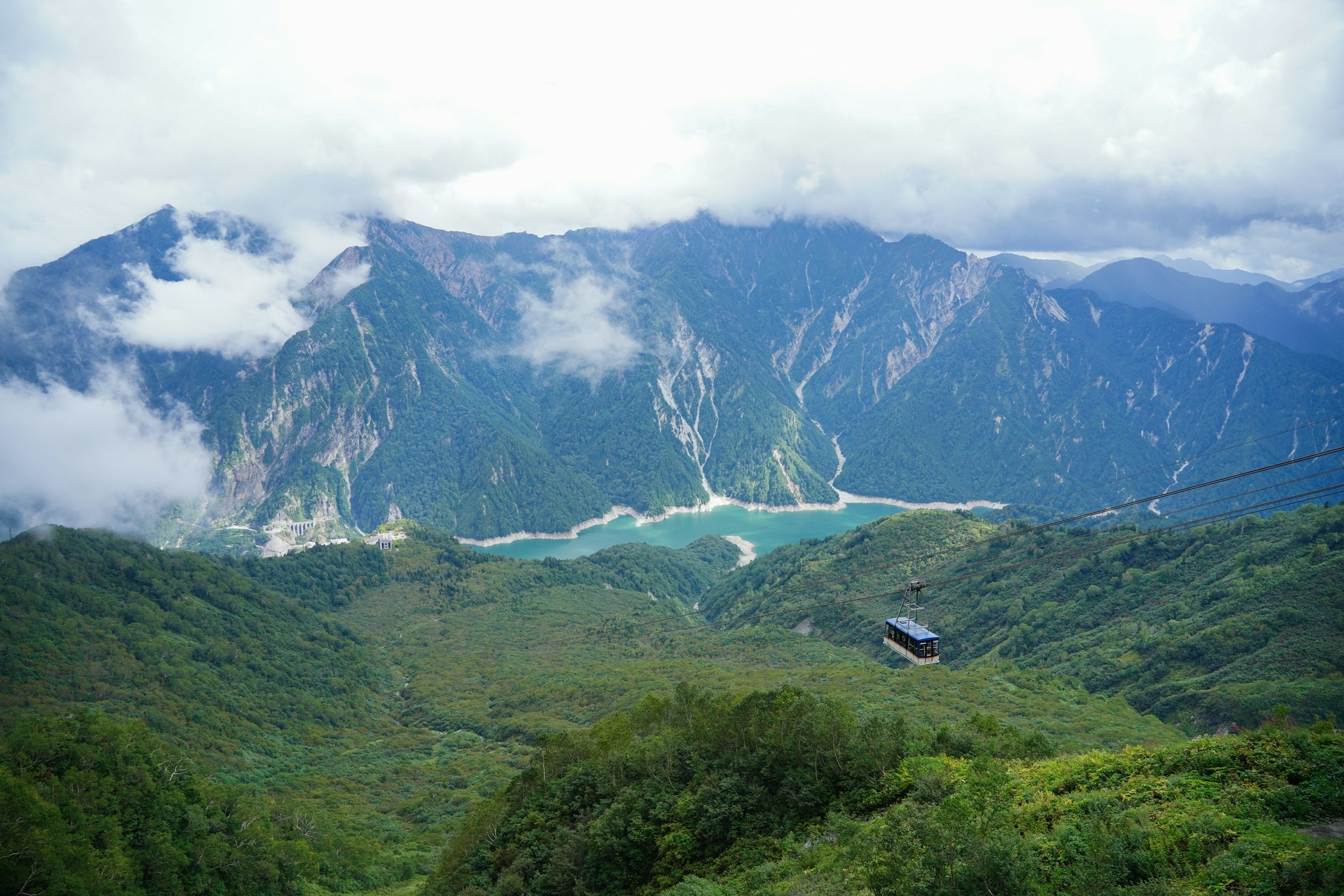
The Tateyama Kurobe Alpine Route is a 37.2 km mountain sightseeing route linking Tateyama Station in Toyama Prefecture and Ogizawa Station in Nagano Prefecture. Travelers cross the Northern Alps by switching between six modes of transport, including cable cars, highland buses, electric buses and a ropeway.
Murodo, the highest point at 2,450 m, offers walks around the volcanic lake Mikurigaike. Along the route is the 186 m Kurobe Dam, the tallest dam in Japan. The route operates only during a set period, so check the official schedule before you go.
6. Kurobe Gorge (Trolley Train)
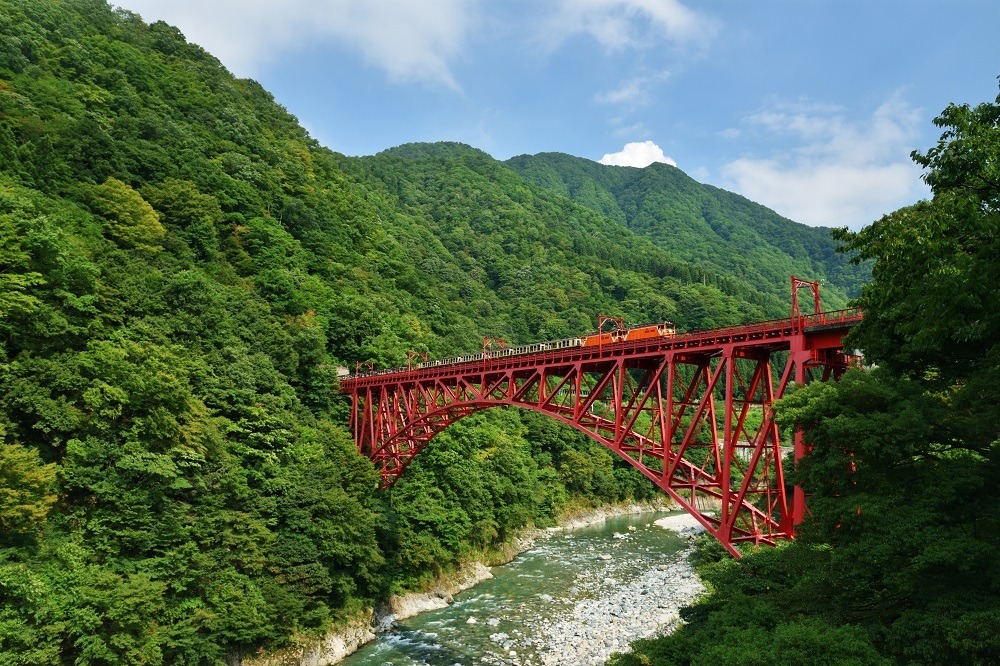
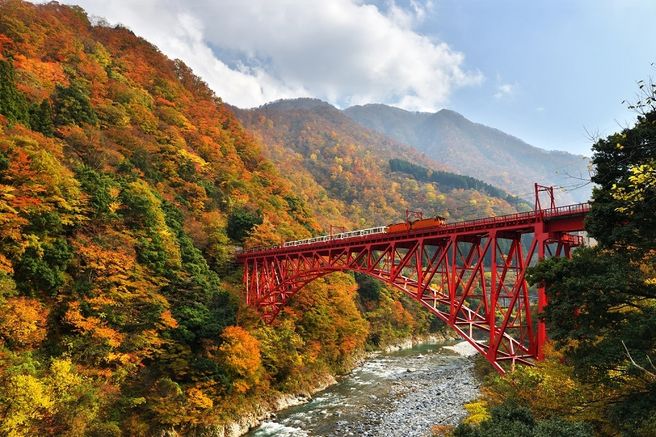
Kurobe Gorge is known as the deepest V-shaped gorge in Japan. The trolley train runs about 20.1 km along the Kurobe River from Unazuki Station to Keyakidaira Station, taking about 1 hour 20 minutes one way.
From the open-air cars without windows, you can take in the emerald river, red iron bridges and sheer cliffs up close. Unazuki, where the line starts, is also known as a hot spring town. The train also runs only during a set period, so check the official timetable before you set out.
7. Gokayama Gassho-style Villages (Ainokura & Suganuma)
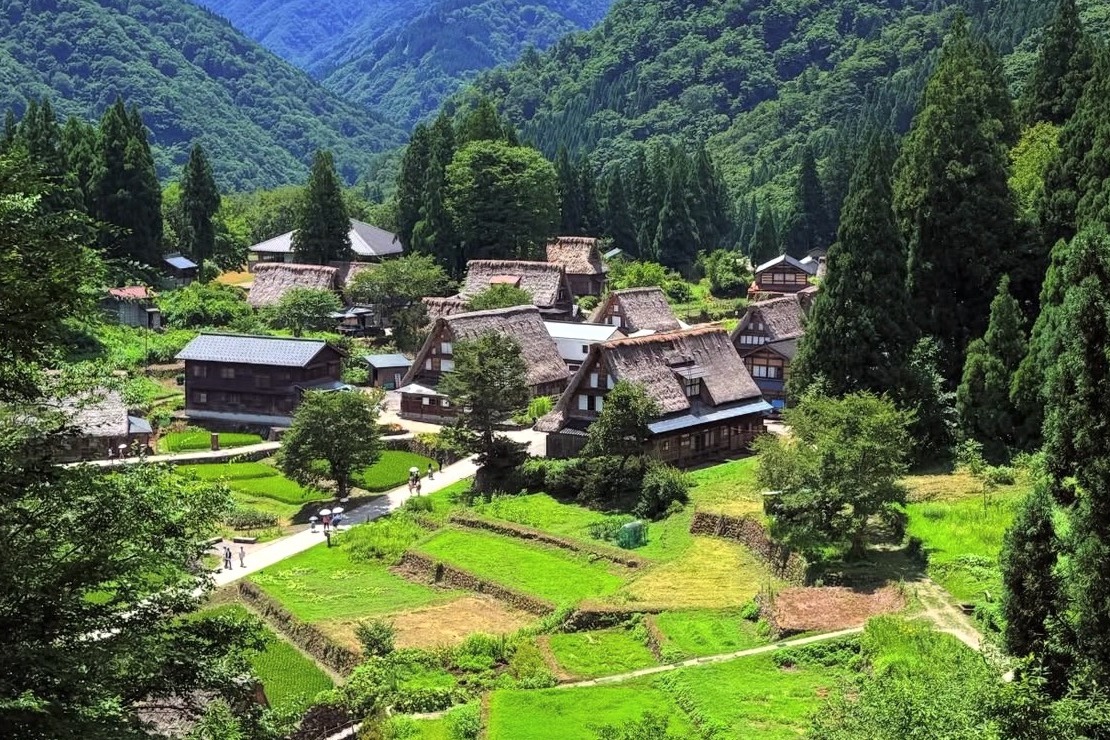
Gokayama is a mountain area in Nanto City, Toyama Prefecture. In 1995, together with Shirakawa-go in Gifu Prefecture, it was inscribed on the UNESCO World Heritage List as the Historic Villages of Shirakawa-go and Gokayama. Gassho-style houses with steep thatched roofs, shaped like hands joined in prayer, still form villages here.
Ainokura has 20 gassho-style houses among rice fields and stone walls, while Suganuma has nine forming a small village by the river. People still live in these villages, so explore quietly and take in the pace of mountain life beneath the Northern Alps.