Available from tomorrow
Lisbon Cathedral Official Ticket
5.0
1 review
US$ 5.61
 Point Guide
 AI Picks
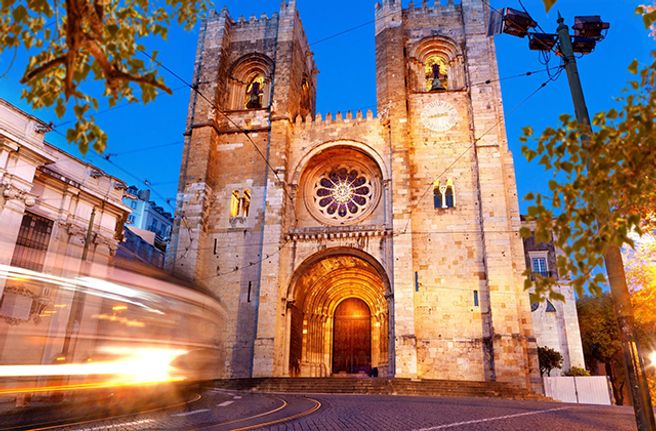
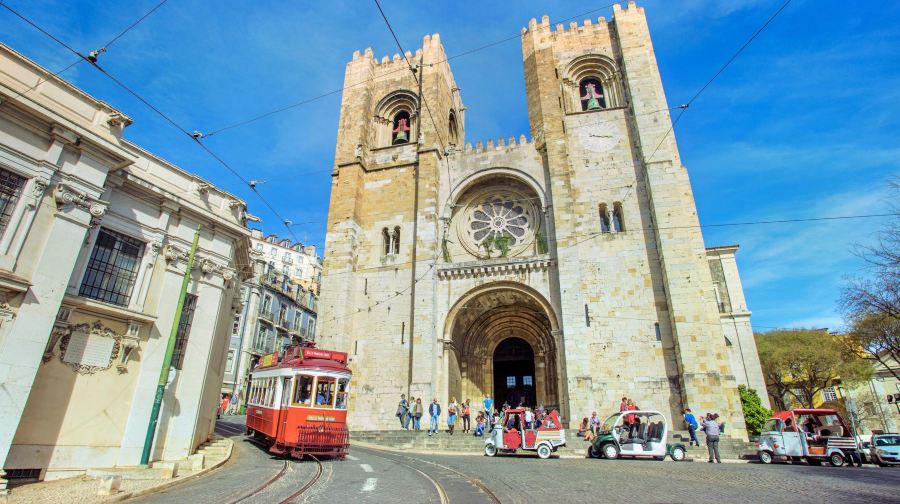
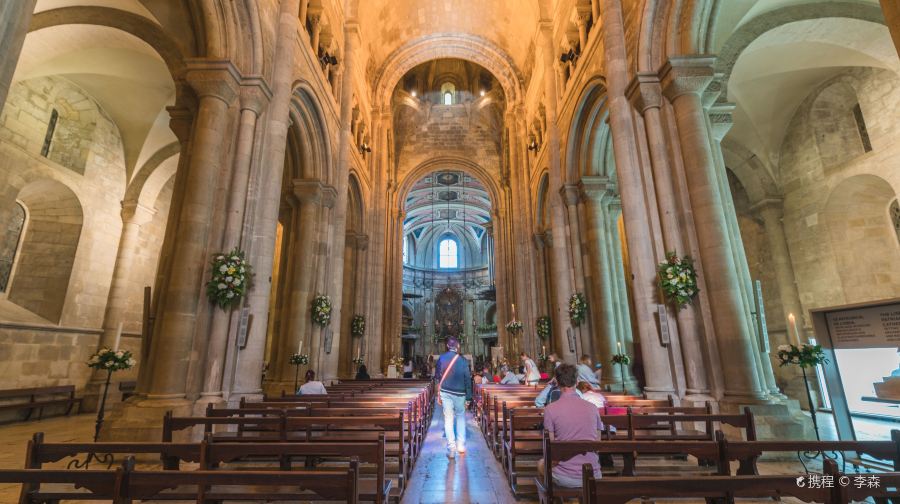
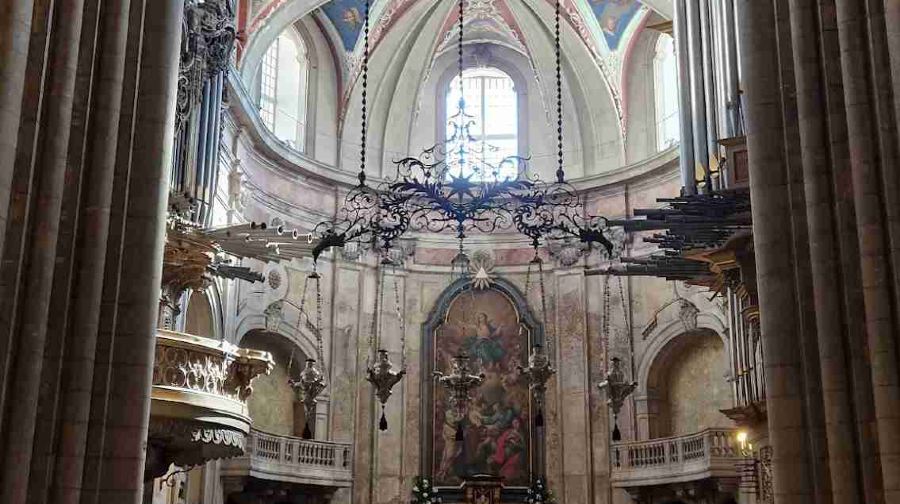
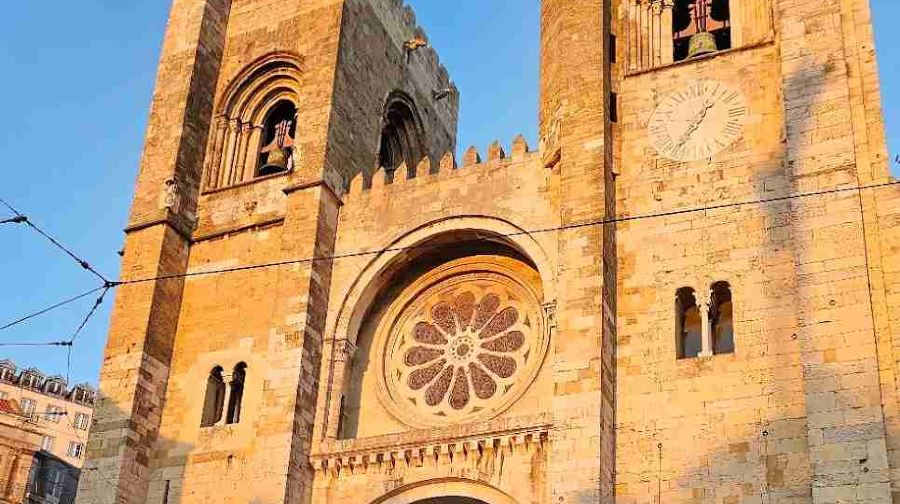
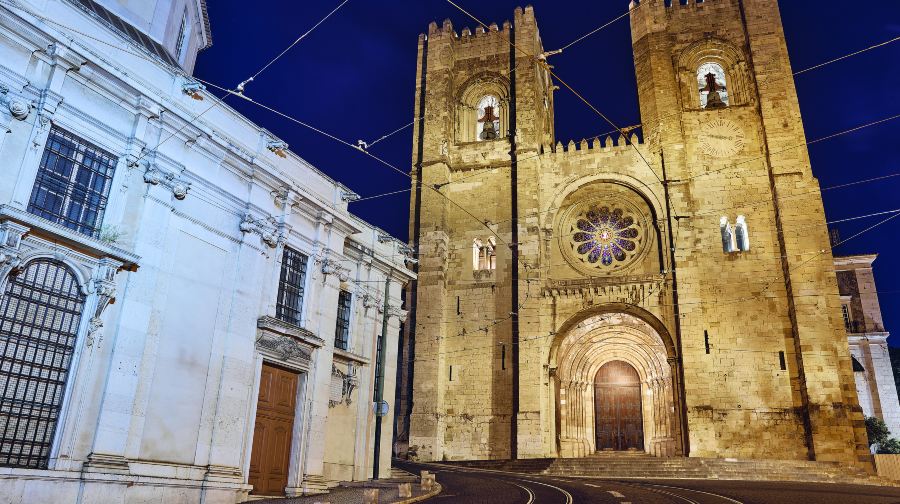
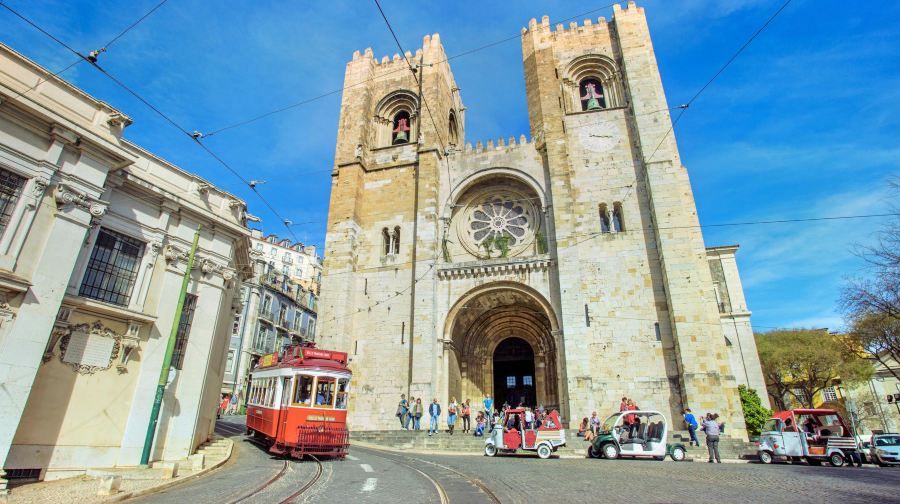
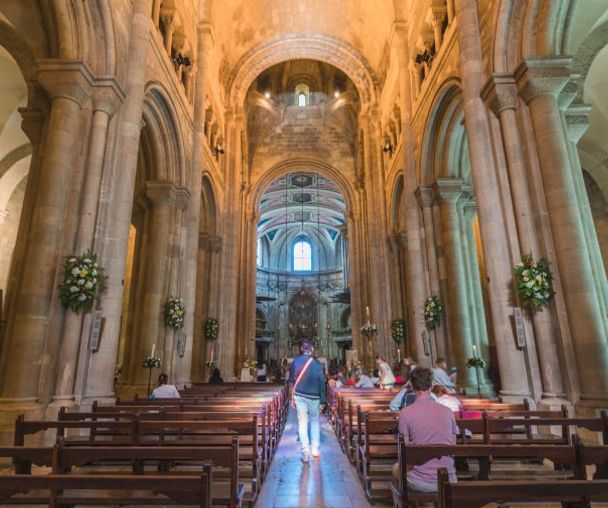
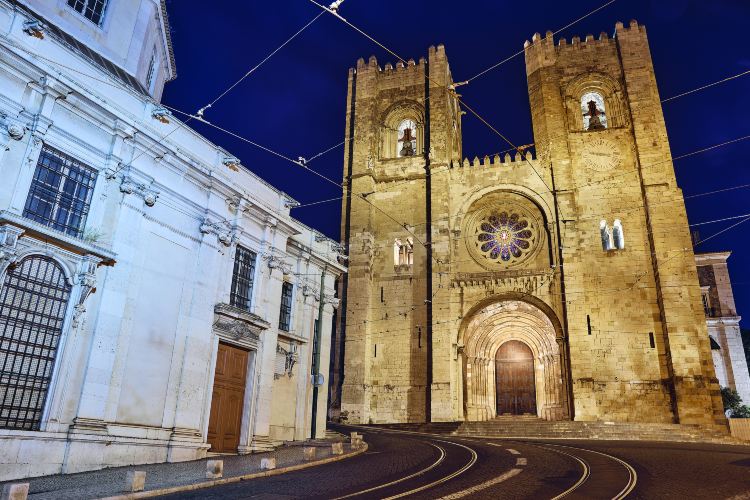
Lisbon Cathedral was built during the reign of King Afonso Henriques, following the reconquest of Lisbon from the Moors. It is believed that the cathedral's construction began in 1147. After the conquest of Lisbon by Portugal's first king and the knights of the Second Crusade, the reorganization of the Lisbon diocese commenced. An English crusader named Gilbert of Hastings was appointed bishop, and the construction of the cathedral began, concluding in the early 13th century. This Romanesque structure, designed by Master Roberto, features a Latin cross plan with three naves, a three-story gallery above the side aisles, a prominent transept, and a tripartite apse, sharing many similarities with the Old Cathedral of Coimbra built years earlier. However, over the centuries, the church underwent numerous modifications: some to meet the needs and trends of different eras, others due to the countless disasters Lisbon endured. For instance, the Gothic cloister, begun during the reign of King Dinis (1261–1325), is unique for its location at the rear of the church. The sanctuary and ambulatory were commissioned by King Afonso IV (1325–1357) to accommodate pilgrims venerating the relics of Saint Vincent and to establish his pantheon. It is the only Gothic cathedral ambulatory in Portugal, completed during the reign of King João I (1357–1433). Two centuries later, in 1649, a new sacristy in the Mannerist style was added.
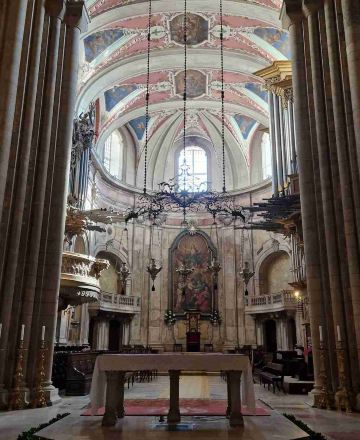
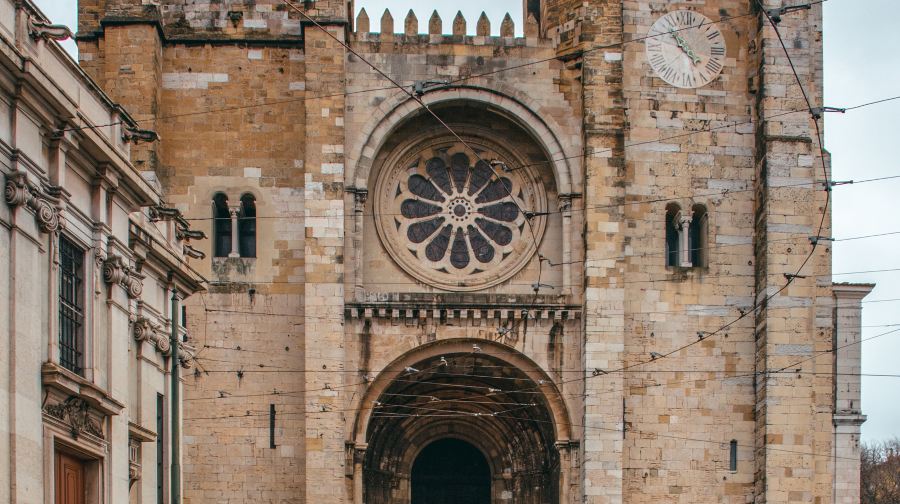
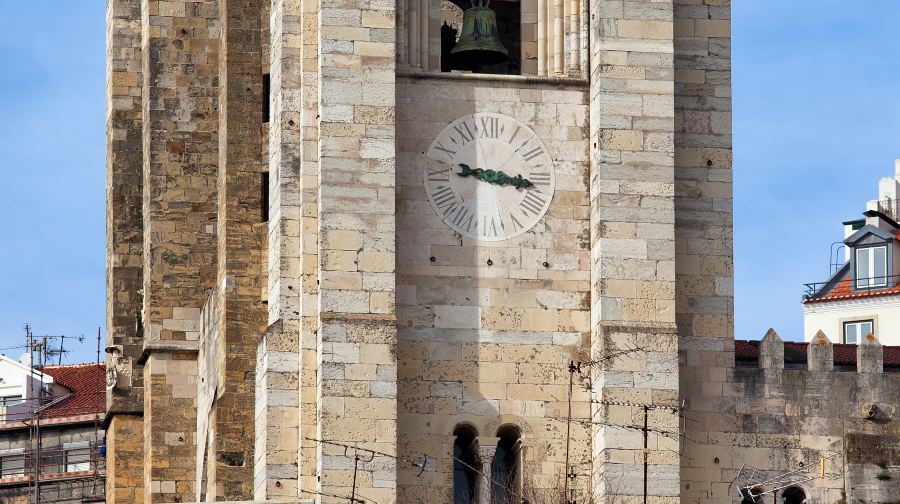
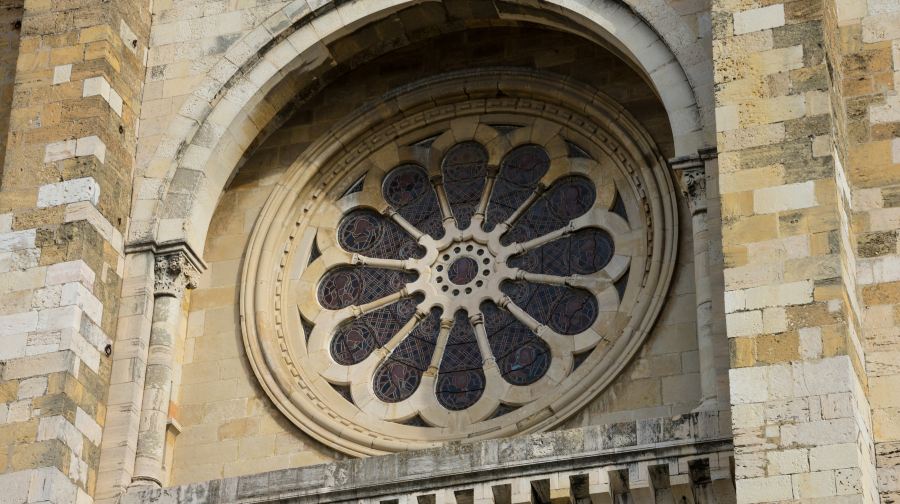
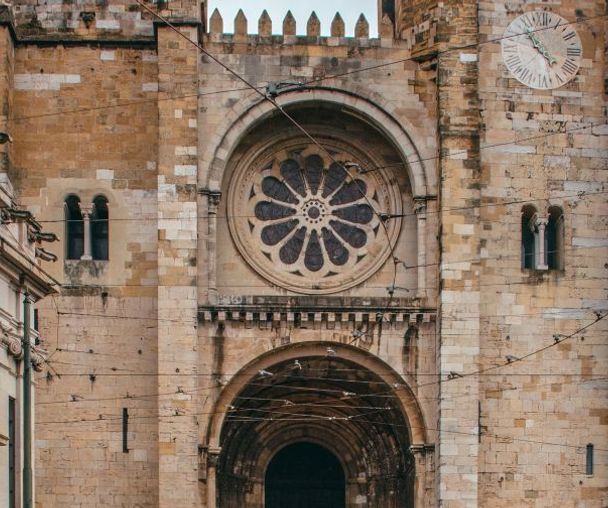
The 1755 Lisbon earthquake destroyed part of the buildings. The Gothic sanctuary, the Holy Sacrament chapel, the nave roof, the south facade tower, and the lantern tower all collapsed. Between 1761 and 1785, the Holy Sacrament chapel was rebuilt. The south tower, nave roof, and new sanctuary were completed by architect Reinaldo dos Santos between 1769 and 1771. In the early 20th century, Lisbon Cathedral underwent revivalist restoration, removing some Baroque additions. Augusto Fuschini and António do Couto Abreu later designed a new church based on the existing medieval structure. Fuschini rebuilt the vaults, restored and reopened windows, and added battlements to the top of the building. Under António do Couto Abreu's direction, the central nave's vault was rebuilt, the facade was restored, the rose window was remade, and other modifications gave the building its current neo-Romanesque style. Listed as a national monument since 1910, it was grandly reopened in 1940 during the Estado Novo regime. Seven years later, it celebrated the 800th anniversary of Lisbon's reconquest from the Moors and the 300th anniversary of Lisbon's independence. Today, it is one of Lisbon's landmarks and one of its most important monuments: a place of immense historical, architectural, religious, and spiritual value, worthy of deeper understanding—a fusion of faith and history.
 How To Use
Largo da Sé, 1100-585 Lisboa, Portugal
What to Remember Point Guide