Maldives Dhigurah Whale Shark & Manta Ray Snorkeling Tour with Hotel Pickup
US$ 285.18
2026.10.18Directed by Travel Insider Amy
The Maldivian waters are home to not just beautiful coral reefs and tropical fish, but also a very special marine creature: the whale shark, the largest fish in the world.
Despite their enormous size, whale sharks are gentle filter feeders, primarily consuming plankton and small organisms. In the Maldives, snorkeling tours are available to observe these magnificent creatures in their natural habitat.
The South Ari Atoll is particularly known as a prime location for encountering whale sharks.
Encountering Whale Sharks in the South Ari Atoll
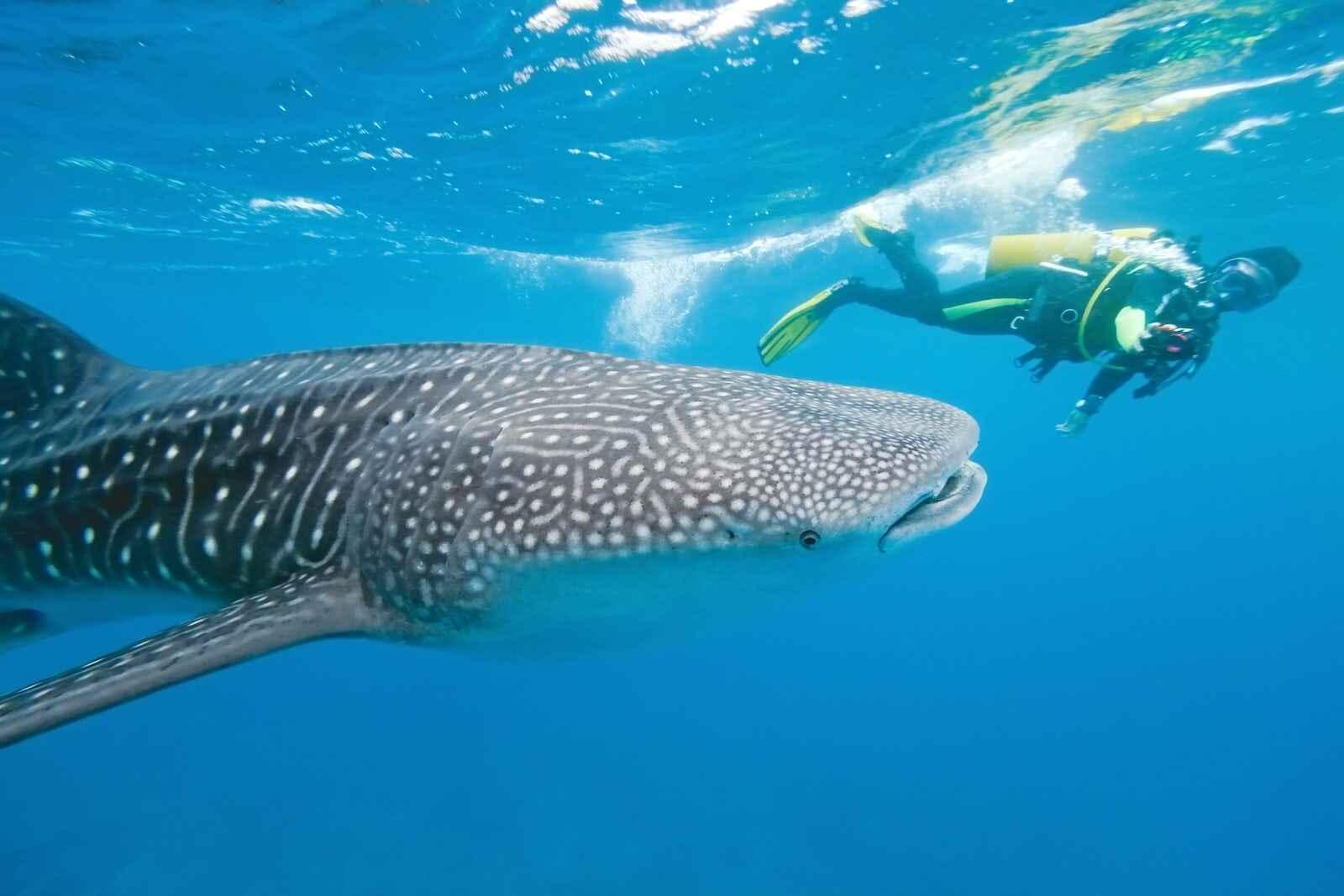
The South Ari Atoll is a premier whale shark watching destination in the Maldives, renowned for sightings throughout much of the year, attracting many travelers.
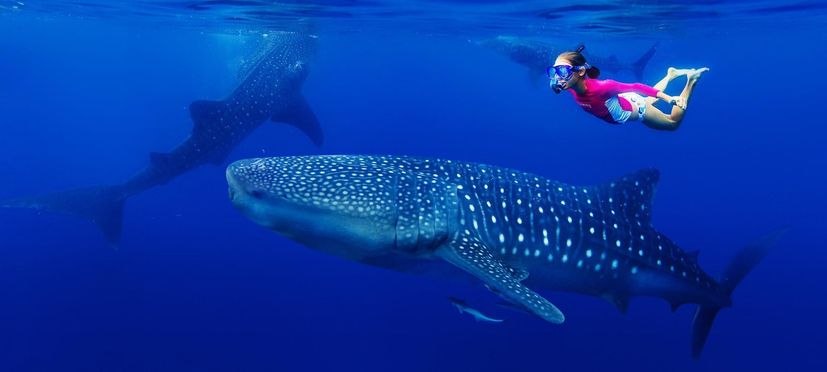
From islands like Dhigurah and Dhangethi in this region, whale shark snorkeling tours depart. The experience typically involves a boat ride with expert guides to find the whale sharks, followed by entering the water to observe them according to safety guidelines. However, as they are wild animals, sightings are not guaranteed.
A Special Moment Swimming with Gentle Giants
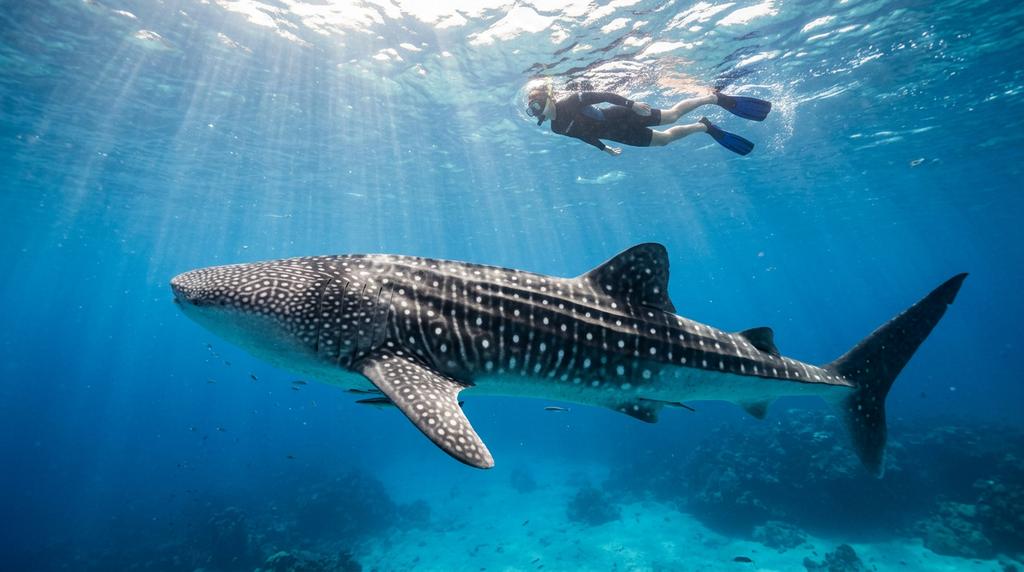
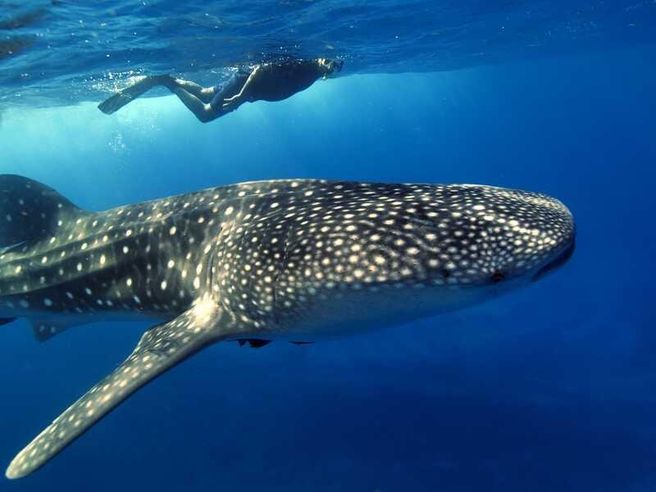
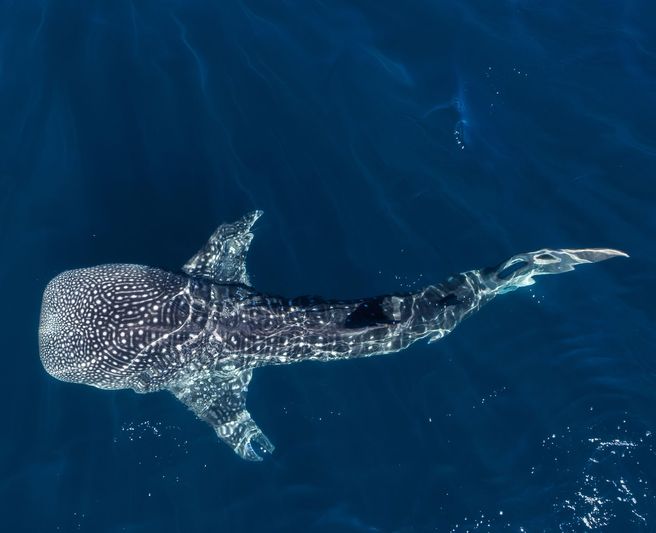
Whale sharks are distinguished by their immense size and the unique pattern of white spots covering their bodies, which can be used to identify individuals. Witnessing these colossal creatures glide slowly through the water offers an unforgettable memory of a Maldives trip, connecting you with the ocean's wonders.
It's crucial to maintain a respectful distance, avoiding approaching or obstructing their path, and always follow the observation guidelines provided by local guides.
Choosing Your Whale Shark Snorkeling Tour
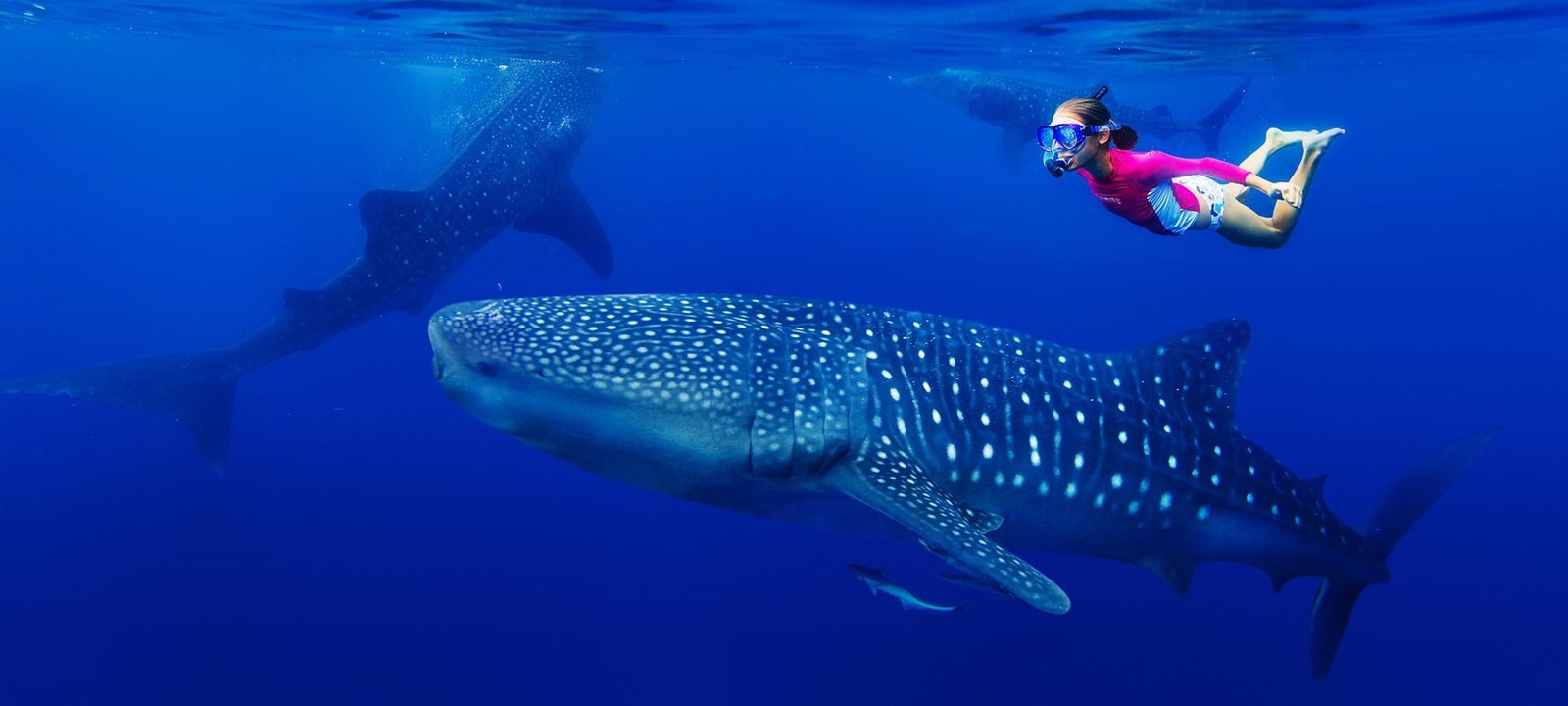
When booking a whale shark tour, first check the departure island, as travel times and tour inclusions can vary depending on the starting point, such as Dhigurah, Dhangethi, or Fulidhoo.
Also, confirm what's included, like snorkeling gear, guide services, boat transport, and hotel pick-up. Opting for tours that operate with respect for nature is recommended, as whale shark sightings depend on daily ocean conditions and the sharks' movements.