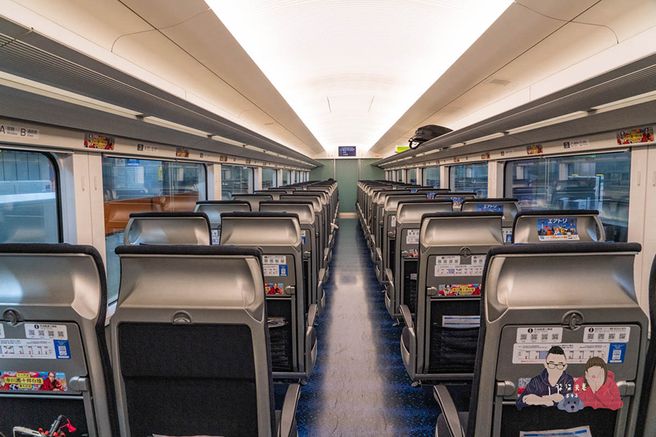
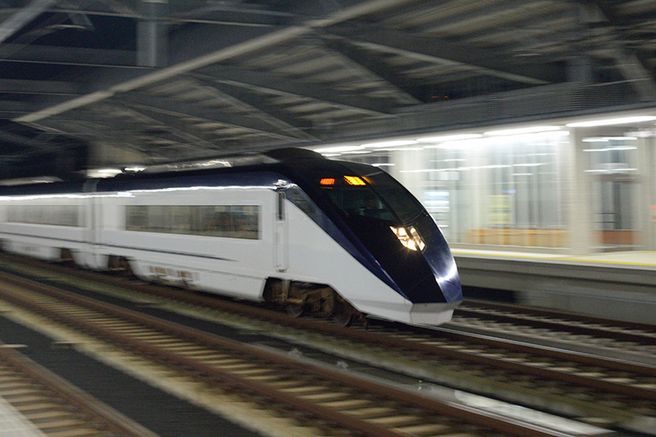
![[Exclusive Discount] Tokyo Narita Airport Keisei Skyliner One-Way Ticket](https://d2mgzmtdeipcjp.cloudfront.net/files/good/2026/01/28/17695946800983.jpg?s=656x372&t=outside)

Available from tomorrow
[Exclusive Discount] Tokyo Narita Airport Keisei Skyliner One-Way Ticket
4.9
675 reviews
US$ 5.96

 Point Guide
 Confirmed within 24 hours
 Duration: 4 hours
 1 person
 Meeting at the designated location
 Mobile voucher
 Use only on the selected date
 Cancellation available
🙌 This tour is conducted in English with a local guide. Also, the meeting point may change, so please go according to the meeting point on the voucher :)

All purchasers will receive a Tokyo Station Character Street discount coupon! The coupon can be downloaded from the purchase history page.

All purchasers will receive a 7% discount coupon for Bic Camera Japan! The coupon can be downloaded from the purchase history page.

All purchasers will receive a discount coupon for Don Quijote! The coupon can be downloaded from the purchase history page.

Global attraction ticket expert.
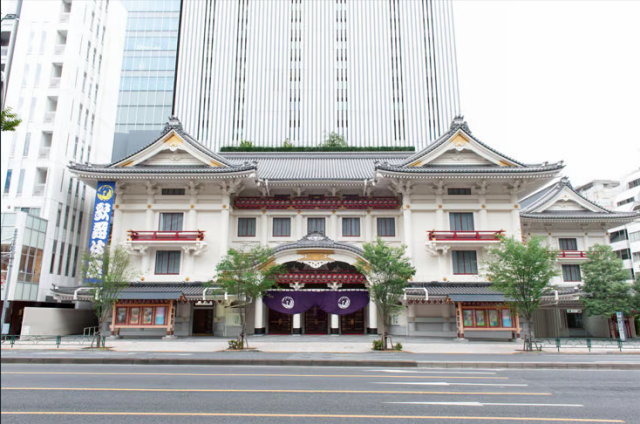
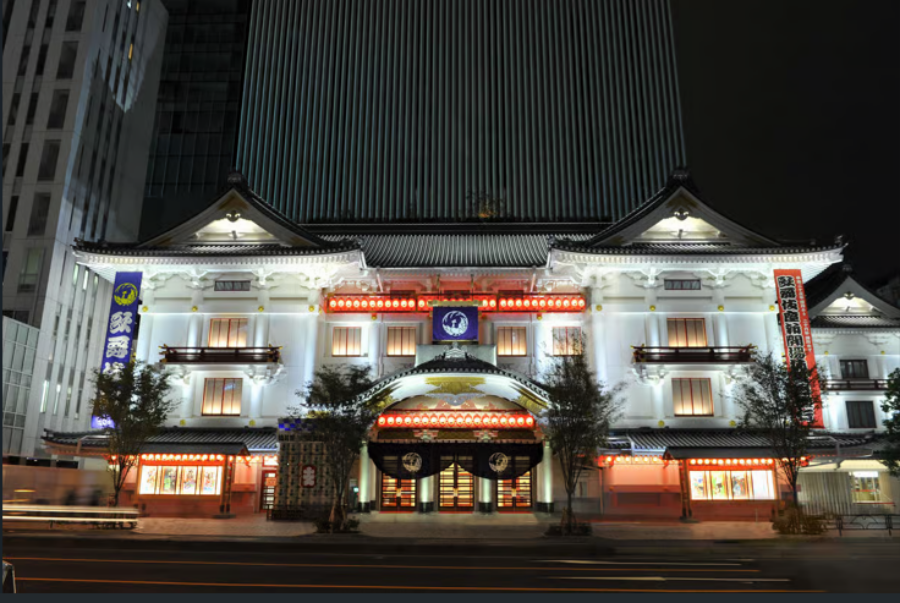
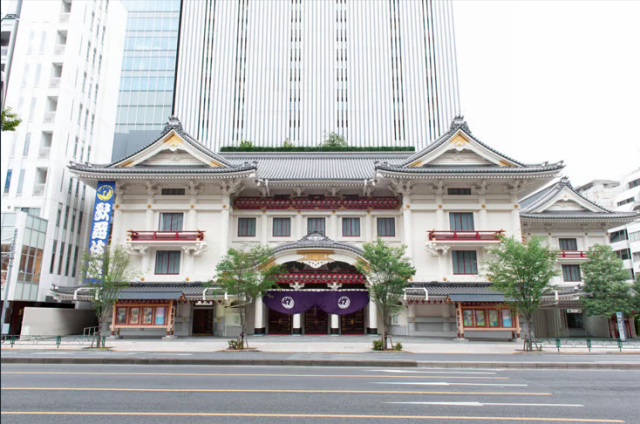
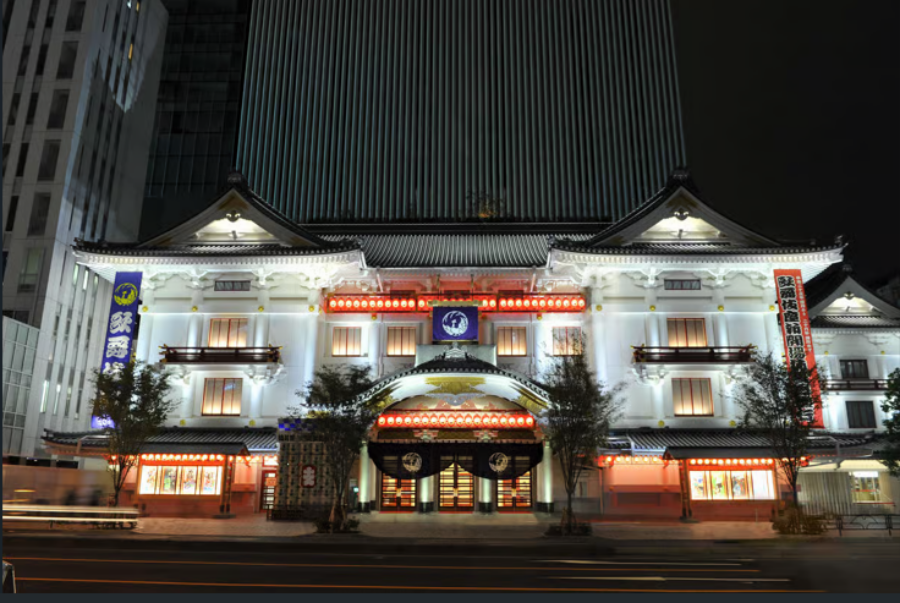
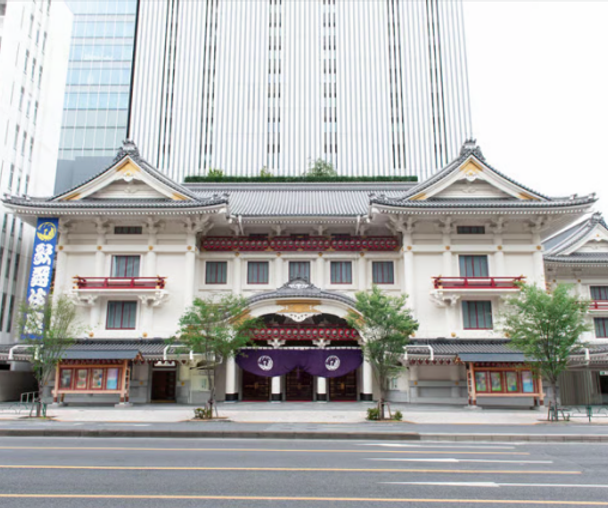
A Must-See Traditional Performance in Tokyo, Perfect for Kabuki Newcomers
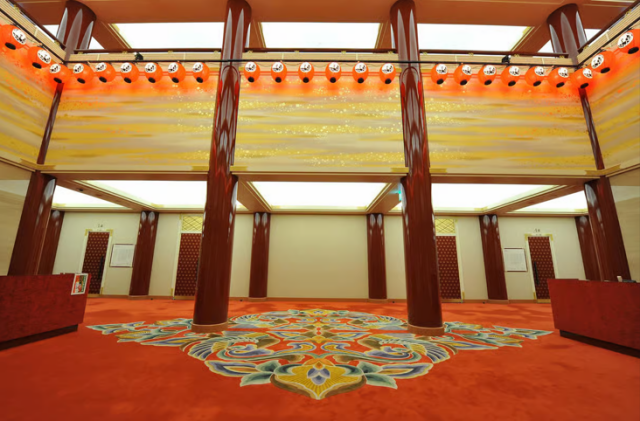
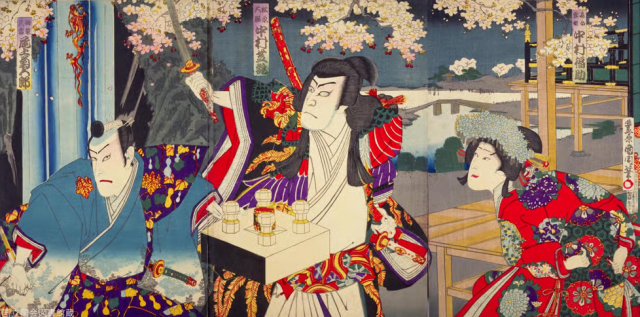
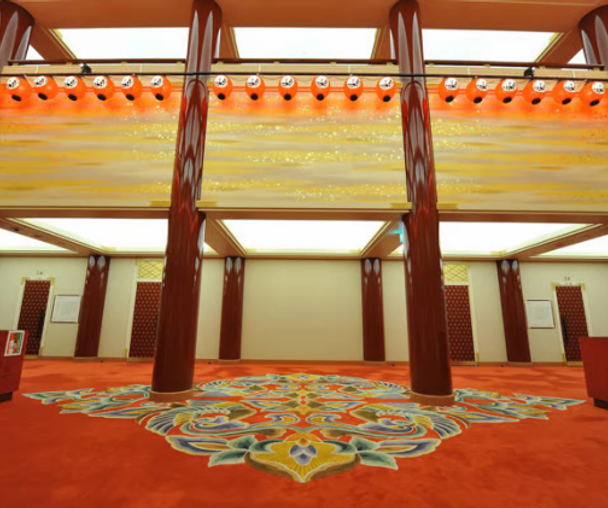
The Kabuki-za Theatre offers a performance that allows you to fully immerse yourself in the atmosphere of traditional Japanese art while remaining accessible for beginners. The vibrant costumes and makeup, seamless stage transitions, and live musical accompaniment bring each scene to life with distinct energy.
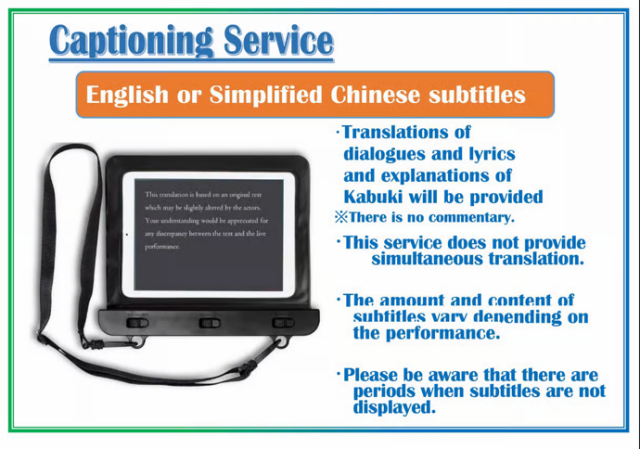
Furthermore, some performances offer subtitle support, making it easier to follow the storyline even if you don't understand Japanese. While the unique Kabuki dialogue and staging might feel unfamiliar at first, you can follow the context of the main scenes, making it a highly satisfying introduction to traditional theatre.
Experience Multiple Acts with a Single Ticket
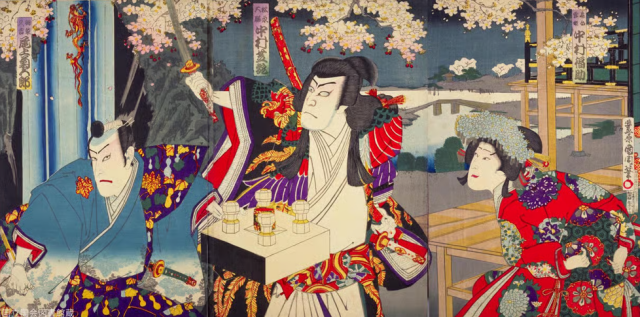
The Kabuki-za Theatre typically operates with daytime and nighttime performances, each lasting around 4 hours. Importantly, instead of multiple plays running concurrently, a single performance block features a sequence of various acts. Intermissions are often included, allowing for breaks during the extended showtime. The major appeal lies in experiencing different styles of Kabuki—such as dance, historical dramas, domestic plays (commoner dramas), and contemporary Kabuki—all in one viewing. This is especially beneficial for travelers new to Japanese traditional performing arts, offering a broad taste of Kabuki's diverse styles rather than focusing on just one genre.
Seating Guide
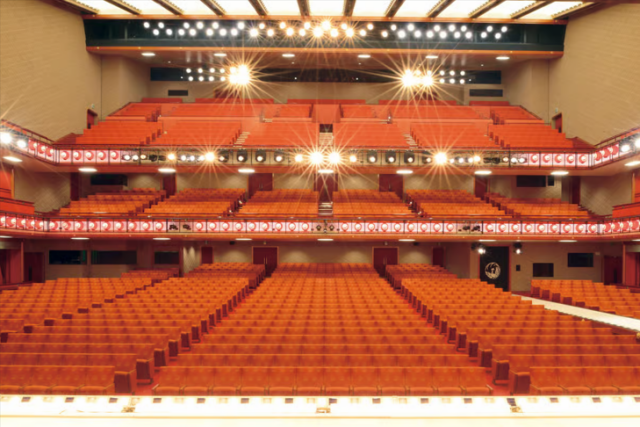
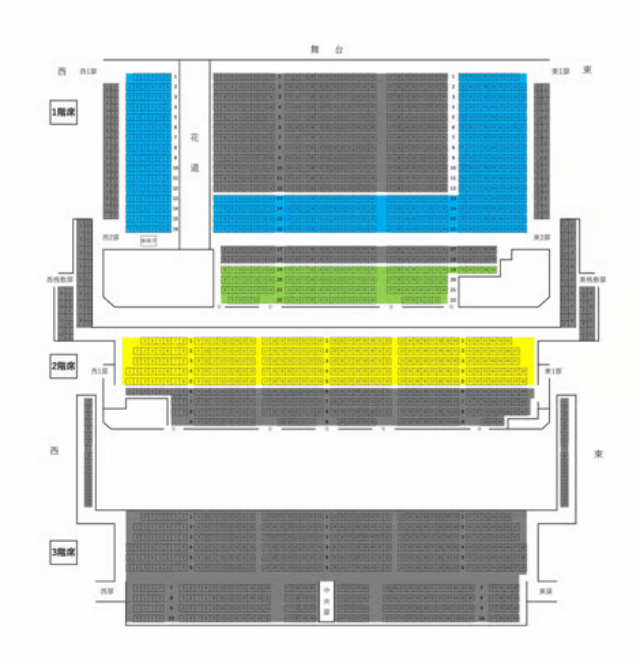
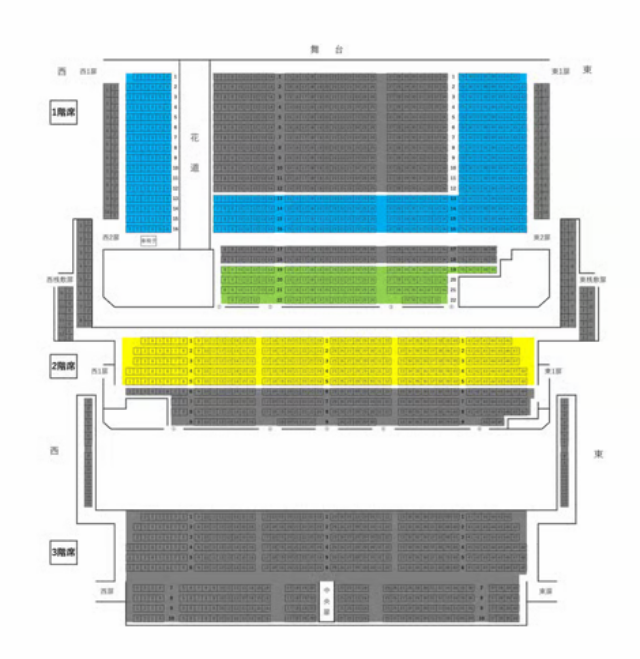
Seat numbers cannot be pre-assigned and are allocated automatically within your chosen seating option.
First Class Seats - 1st Floor (Blue Section)
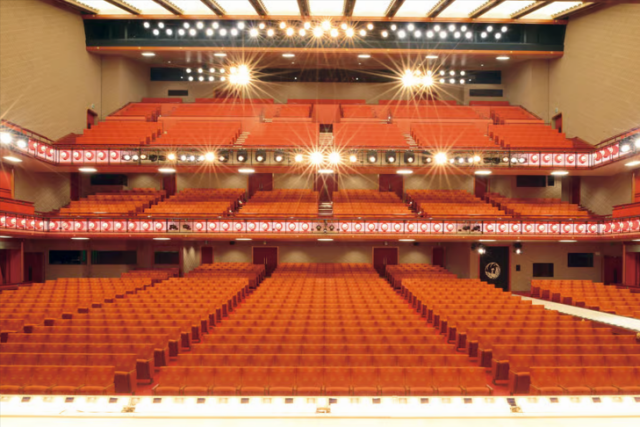
Located on the first floor, close to the stage. Recommended for those who prefer an immersive viewing experience.
Second Class A Seats - 1st Floor (Light Green Section)
Situated towards the rear of the first-floor seating area. A good option for those wanting to enjoy the performance atmosphere from the first floor at a slightly more accessible price point.
First Class Seats - 2nd Floor (Yellow Section)
First-class seating on the second floor. Offers a good vantage point to see the entire stage composition, ideal for those who want to appreciate the scene changes and group choreography from a broader perspective.
Performance Information
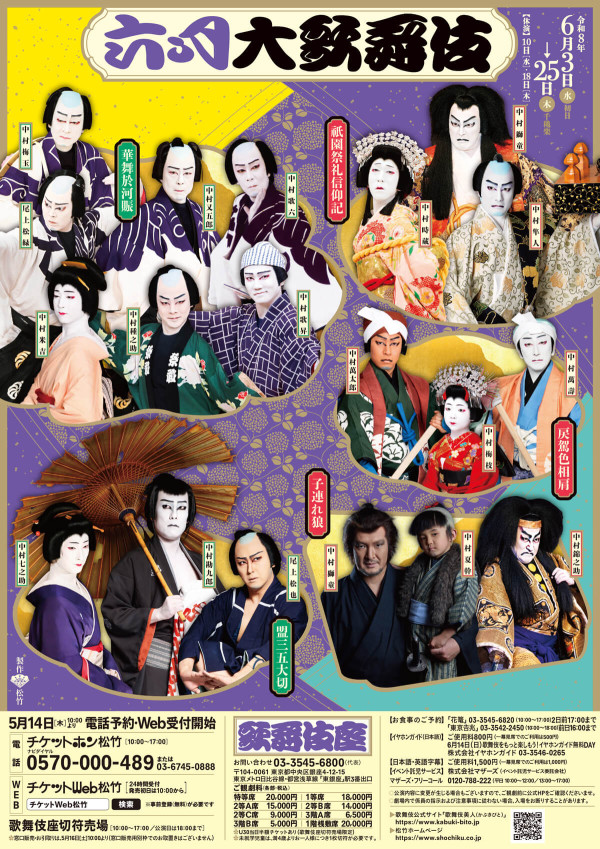
The Kabuki-za Theatre's program changes monthly. Even for the same Kabuki-za performance, the atmosphere can vary significantly depending on the time of visit, offering the enjoyment of different plays each season.
[June Performance Information]※ Performance programs, specific directing, cast, and some running times are subject to change. Please check the latest monthly program before booking.
How To UseAddress:
Kabukiza Theater B2 Ticket Box
4 Chome-12-15 Ginza, Chuo City, Tokyo 104-0061, Japan
Open in Google Maps
Operating Hours:
11:00 AM / 4:30 PM

4 Chome-12-15 Ginza, Chuo City, Tokyo 104-0061 일본
What to Remember
 more
more
 Point Guide
![[Hato Bus] Tokyo Tower Night View Open-Top Bus Tour](https://d2mgzmtdeipcjp.cloudfront.net/files/good/2025/08/11/17548821774303.jpeg?s=656x372&t=outside)